What if the road ahead could be as sleek as a razor’s edge, as bold as a midnight sky, and as uniquely yours as your fingerprint? Enter the world of minimalist chopper bikes—where form doesn’t just follow function, it dances with it. These aren’t just rides; they’re rolling declarations of style, engineering poetry in motion. But crafting the perfect minimalist chopper isn’t just about stripping away the excess. It’s about distilling raw power, unapologetic attitude, and razor-sharp aesthetics into a two-wheeled masterpiece. So, buckle up. We’re about to explore the art of minimalist chopper customization, where every bolt, every curve, and every line tells a story.
The Allure of Less: Why Minimalism Rules the Road
In a world drowning in noise, minimalism isn’t just refreshing—it’s revolutionary. A minimalist chopper bike is a rebellion against the cluttered chaos of mass-produced motorcycles. It’s a statement that says, “I don’t need flashy decals or gimmicky gadgets to turn heads.” Instead, it relies on clean lines, unadorned frames, and a raw, unfiltered connection between rider and machine. But why does this aesthetic resonate so deeply?
The answer lies in the psychology of simplicity. Minimalist designs evoke a sense of calm precision, a visual harmony that feels almost meditative. When you strip away the superfluous, what remains is the essence—the soul of the machine. It’s the difference between a symphony and a cacophony. A minimalist chopper doesn’t just ride; it glides, effortlessly cutting through the air with the grace of a dancer and the power of a thunderclap.
Yet, this pursuit of less isn’t without its challenges. The true minimalist must walk a tightrope between elegance and emptiness. Too little, and the bike feels barren, soulless. Too much, and it risks becoming a caricature of itself. The magic lies in the balance—where every element serves a purpose, and every curve whispers intention.

The Anatomy of a Minimalist Chopper: Where Art Meets Engineering
To understand the beauty of a minimalist chopper, you must dissect its anatomy. This isn’t your father’s Harley. This is a machine sculpted by visionaries who see bikes as rolling sculptures. Let’s break it down.
The Frame: The backbone of any chopper, the frame in a minimalist design is often elongated, low-slung, and devoid of unnecessary gussets or braces. Think of it as the spine of a ballerina—long, lean, and unyielding. Materials matter here. Chromoly steel is the gold standard, offering strength without the weight of cast iron. The frame’s geometry isn’t just about aesthetics; it’s about rideability. A well-designed minimalist frame ensures stability at high speeds while allowing the rider to carve corners with surgical precision.
The Tank: Gone are the days of bulbous, ornate fuel tanks that scream “look at me.” In their place? Slim, teardrop-shaped tanks that hug the frame like a second skin. These tanks aren’t just about holding fuel; they’re about defining the bike’s character. A minimalist tank might feature a single, unobtrusive seam or a subtle, hand-welded detail that speaks volumes without shouting. The material? Often aluminum or steel, polished to a mirror sheen or left raw for an industrial edge.
The Seat: The seat of a minimalist chopper isn’t just a place to park your posterior. It’s a statement. Think of a solo saddle, sleek and unadorned, perched atop a minimalist rear fender. No padding? No problem. The seat’s shape is designed to cradle the rider, offering comfort without compromising the bike’s silhouette. Some minimalist choppers even forgo a traditional seat altogether, opting for a bare frame with a single, sculpted seat post—a bold choice that turns heads and sparks conversations.
The Wheels: Spokes or solid? That’s the question. Minimalist choppers often lean toward spoke wheels for their vintage charm and lightweight agility. But modern minimalists aren’t afraid to experiment. Solid wheels, when designed with precision, can add a futuristic edge to the bike’s aesthetic. The key is consistency. Whether spokes or solids, the wheels should complement the bike’s overall theme—whether that’s retro, industrial, or somewhere in between.
The Challenge of Customization: When Less Becomes More (or Less)
Here’s the rub: crafting a minimalist chopper isn’t for the faint of heart. It’s a high-stakes game of subtraction, where every decision could tip the scales between genius and folly. The challenge? Knowing when to stop. When does “minimalist” become “minimal”? When does elegance curdle into emptiness?
The first hurdle is material selection. A minimalist chopper demands materials that are both strong and visually striking. Raw aluminum, brushed steel, carbon fiber—these aren’t just choices; they’re declarations. But materials alone won’t save a poorly designed bike. The true test lies in the details. A minimalist chopper must balance form and function with the precision of a Swiss watchmaker. Every weld, every bolt, every curve must serve a purpose. There’s no room for error.
Then there’s the issue of customization itself. The minimalist ethos thrives on restraint, but restraint doesn’t mean rigidity. The trick is to infuse personality without clutter. A single, hand-forged handlebar. A custom exhaust that hums like a lullaby. A seat that’s as comfortable as it is stylish. These are the details that elevate a minimalist chopper from “nice” to “unforgettable.” But here’s the catch: customization is expensive. The pursuit of perfection often demands a hefty investment in time, skill, and resources. Are you ready to pay the price?
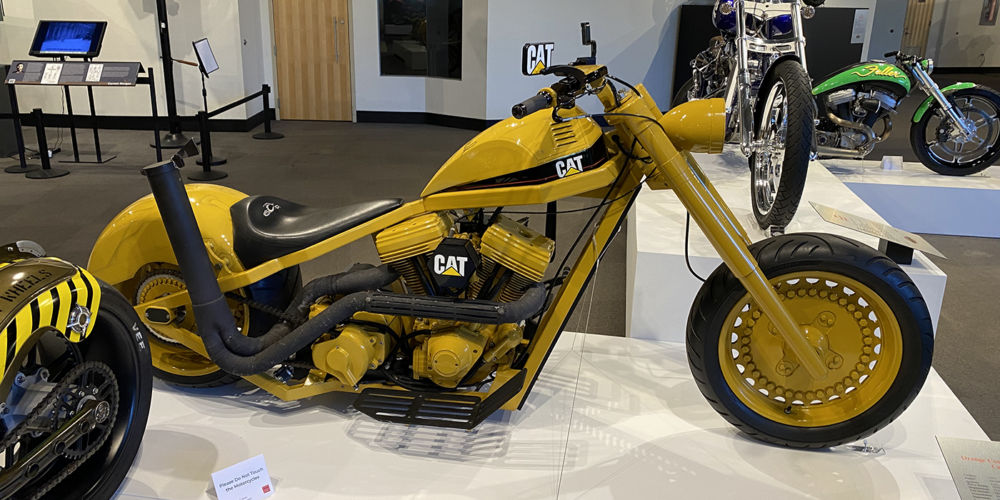
Minimalist Chopper Styles: From Retro to Futuristic and Beyond
Minimalist choppers aren’t a monolith. They’re a spectrum, a playground for creativity. Let’s explore the different flavors of minimalism on two wheels.
Retro Minimalism: Inspired by the choppers of the 1960s and 70s, retro minimalist bikes embrace the raw, unfiltered aesthetic of the era. Think elongated frames, springer front ends, and solo saddles. The color palette is often muted—black, chrome, and gunmetal gray—with the occasional pop of vintage red or olive drab. These bikes are time machines, transporting riders to an era when less was more, and more was never the goal.
Industrial Minimalism: Here, the focus is on raw materials and geometric precision. Exposed bolts, angular frames, and unpolished steel dominate the scene. The industrial minimalist chopper is a machine for the modern age—a celebration of form following function, where every element serves a purpose. Think of it as a motorcycle designed by an architect, not a biker.
Futuristic Minimalism: For those who dare to dream, futuristic minimalist choppers push the boundaries of what’s possible. Carbon fiber frames, LED accents, and aerodynamic fairings define this style. These bikes aren’t just rides; they’re statements about the future of transportation. Sleek, silent, and stunning, they’re the antithesis of the chrome-laden beasts of yesteryear.
Brutalist Minimalism: The dark cousin of industrial minimalism, brutalist choppers embrace the raw, unpolished beauty of concrete and steel. Think exposed welds, rough-hewn frames, and a color palette of blacks, grays, and deep blues. These bikes are unapologetically rugged, a visual and tactile experience that feels like a punch to the gut. Brutalist minimalism isn’t for the timid—it’s for those who want their bike to feel as tough as they are.
The Rider’s Dilemma: Custom Build vs. Commissioning a Pro
So, you’re sold on the minimalist chopper dream. Now comes the hard part: bringing it to life. Do you roll up your sleeves and build it yourself, or do you commission a pro to do the heavy lifting? Both paths have their merits, but they also come with their own set of challenges.
The DIY Route: Building a minimalist chopper from scratch is the ultimate test of skill, patience, and passion. It’s a labor of love that demands a deep understanding of mechanics, welding, and design. The upside? You get a bike that’s 100% yours—every weld, every curve, every imperfection a testament to your vision. The downside? It’s time-consuming, expensive, and fraught with pitfalls. A single miscalculation can turn your dream into a nightmare. But for those who rise to the challenge, the reward is unparalleled: a machine that’s as unique as their fingerprint.
Commissioning a Pro: If DIY isn’t your thing, fear not. The world is full of artisans who specialize in minimalist chopper builds. These are the mad scientists of the motorcycle world, turning raw materials into rolling works of art. The upside? You get a bike that’s been crafted by experts, with every detail perfected. The downside? It’s expensive. Really expensive. But if money is no object, commissioning a pro is the fastest way to turn your minimalist chopper dream into a reality.
The choice ultimately comes down to your budget, your skills, and your patience. But here’s a thought to ponder: Is the journey part of the destination? For some, the answer is a resounding yes. For others, the destination is all that matters.
The Road Ahead: Why Minimalist Choppers Are the Future
In an age of excess, minimalist choppers offer a breath of fresh air. They’re a rebellion against the noise, a celebration of simplicity, and a testament to the power of restraint. But they’re more than just bikes. They’re rolling art, engineering marvels, and personal statements all rolled into one.
The future of minimalist choppers is bright. As technology advances, so too will the possibilities. Imagine a minimalist chopper with a self-balancing system, or one powered by a silent, electric motor. The minimalist ethos is adaptable, evolving with the times while staying true to its core principles. And as more riders seek to escape the clutter of modern life, the demand for minimalist choppers will only grow.
So, are you ready to join the revolution? To strip away the excess and embrace the essence? The road ahead is yours to define. All you need is a vision, a little courage, and a whole lot of passion. The rest? It’s just metal, rubber, and a whole lot of heart.