When your Harley-Davidson motorcycle hits the 10,000-mile mark, it arrives at a crucial juncture that promises not only refined performance but also a significant investment in its longevity. The manifold nuances of the 10,000-mile service often harbor surprises for even seasoned riders. Far beyond a routine check-up, this milestone service is a comprehensive ritual that can redefine your understanding of motorcycle maintenance costs, revealing hidden facets in both labor and parts that merit your attention.
The 10,000-mile service is, in essence, a rite of passage for your Harley. It demands more than a cursory glance under the hood. This period is traditionally viewed as the moment for a meticulous evaluation of your bike’s mechanical and aesthetic integrity. From the intricate workings of the fuel system to the subtle adjustments of suspension, everything undergoes scrutiny. What often catches owners off guard is the breadth of this service and the corresponding financial implications. The price tag can vary significantly depending on multiple variables that influence the final bill.
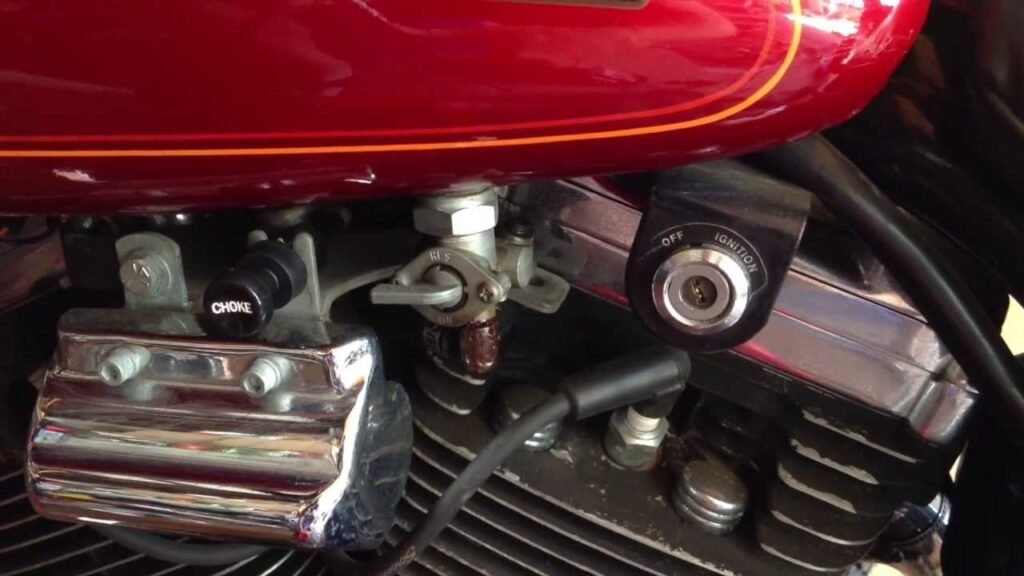
Delving deeper, the cost components of this service bifurcate primarily into parts and labor. Genuine Harley-Davidson parts play a pivotal role in maintaining the elite quality and expected durability. For example, the replacement of a fuel petcock—a component essential for regulating fuel flow—though seemingly minor, reflects the caliber of parts used in the maintenance process. These parts are crafted with precision and tailored specifically for the Harley, inevitably making them pricier than generic alternatives. This insistence on authenticity ensures your bike’s reliability but also marks a consequential line item on your invoice.
Labor fees present another labyrinthine aspect. The complexity of the 10,000-mile service necessitates experienced technicians adept in Harley-specific diagnostics and repairs. Their expertise translates to precision work, but it also commands a premium. Depending on geographical location, dealership, and technician proficiency, labor costs can fluctuate widely. It is not unusual to see a disparity of several hundred dollars on labor charges from one service center to another.
Moreover, the 10,000-mile service isn’t a static checklist; it dynamically adjusts to the condition of your motorcycle. Some Harleys might require simple fluid changes and inspections, while others may need brake pad replacements, tire evaluations, or ignition system calibrations. Each additional task inflates the overall cost but simultaneously fortifies the machine’s safety and performance. The interplay between preventive maintenance and reactive repairs is delicately balanced in this milestone, emphasizing budgetary foresight as much as mechanical vigilance.
One of the oft-overlooked elements in calculating cost is the cascading effect that the 10,000-mile service has on subsequent maintenance schedules. An astute rider recognizes that investing in thorough maintenance now mitigates the risk of expensive repairs down the line. This foresight transforms a seemingly steep cost into a strategic investment, preserving the Harley’s iconic roar and seamless ride for miles beyond.
Examining alternative approaches, DIY enthusiasts may contemplate undertaking portions of the 10,000-mile service themselves. While this route offers a possibility for cost savings, it harbors risks rooted in the specialized nature of Harley mechanics. The potential for missteps or overlooked issues can result in costly damages or diminished bike performance. Hence, weighing the technical demands against your mechanical aptitude is imperative before attempting any self-servicing ventures.
Interestingly, the advent of aftermarket parts and third-party service providers introduces a spectrum of cost options. While utilizing non-OEM components and independent mechanics can significantly reduce expenses, riders must be vigilant about the trade-offs concerning quality, warranty, and bike performance. Choosing cheaper parts could jeopardize the very essence of the Harley experience, potentially undermining reliability and diminishing resale value.
Financing options also represent an underappreciated dimension in the narrative of 10,000-mile service costs. Many dealerships now offer service plans or financing packages designed to distribute expenses across manageable payments. These programs not only ease financial strain but often integrate scheduled maintenance that ensures upkeep continuity without unexpected expenditures. Opting into such plans requires a thorough cost-benefit analysis, but can ultimately enhance ownership satisfaction and prolonged enjoyment.
Environmental considerations weave subtly into this discussion as well. Modern Harley-Davidson motorcycles increasingly comply with stringent emissions and efficiency standards, which manifest in more sophisticated service requirements. This evolution, while beneficial for sustainability and regulation compliance, can intensify service complexity and costs. Anticipating these trends shapes better preparedness and shapes realistic expectations for future maintenance cycles.
Ultimately, the 10,000-mile service is not merely a fiscal checkpoint; it symbolizes a holistic commitment to the stewardship of your Harley-Davidson. It embodies the confluence of engineering excellence, rider responsibility, and financial planning. The investment you make during this phase is a testament to preserving legacy, performance, and passion. As you navigate the layered expenses and decisions, remember that this service serves as a pivotal recalibration—fine-tuning your machine for the open road and a lifetime of unforgettable journeys.