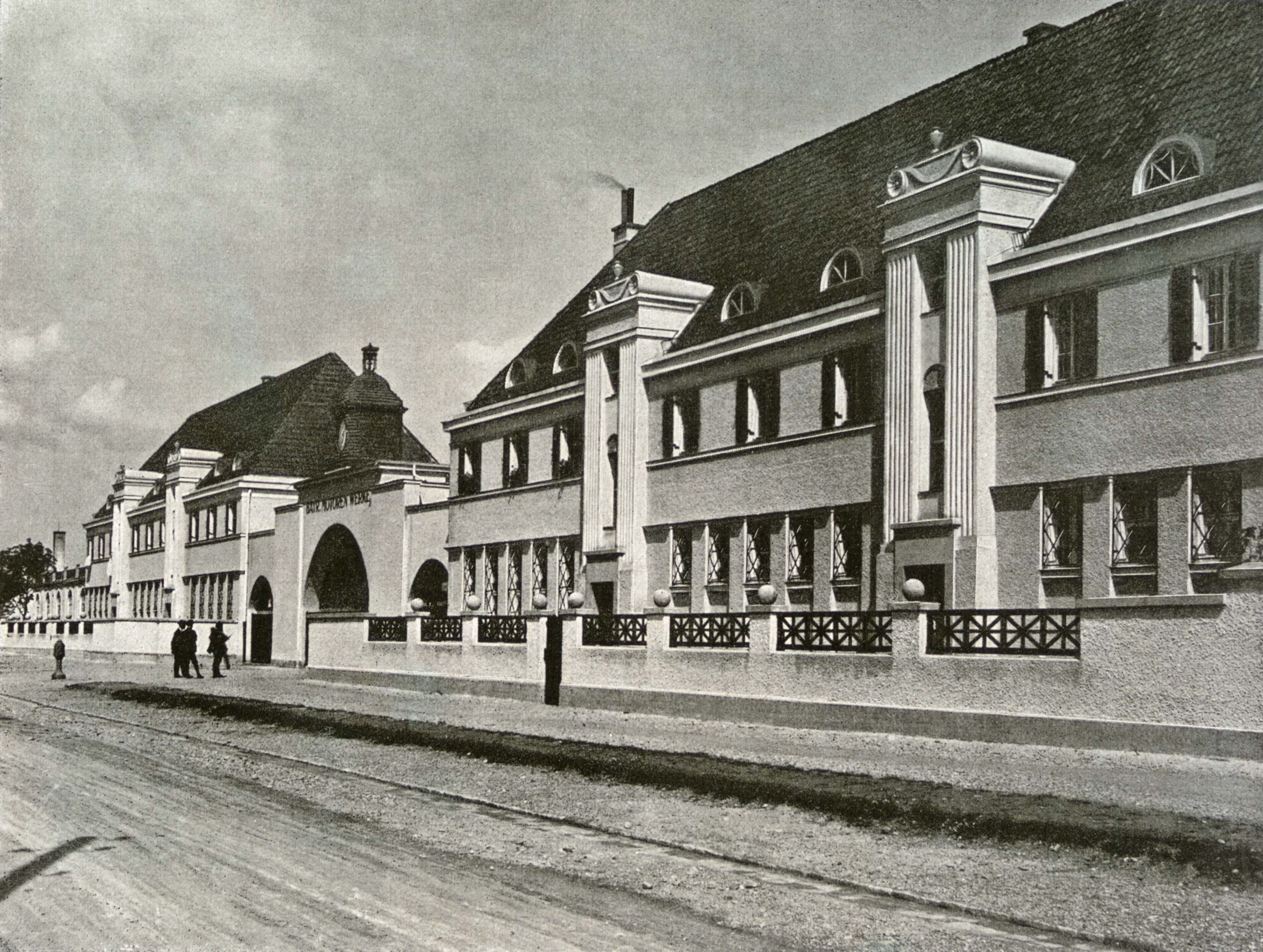
In the annals of automotive history, few marques evoke as much passion and admiration as BMW. Founded in 1916, the Bavarian company initially made its name as a manufacturer of aircraft engines. However, it quickly diversified into motorcycle production, and by 1923, BMW had introduced its first motorcycle, the R32, marking the dawn of an illustrious legacy. Fast forward to the present, BMW is undertaking a momentous endeavor: the restoration of its historic 1918 factory. This ambitious project aims to preserve its rich motorcycle heritage while providing a modern-day platform for innovation, education, and community engagement.
As readers delve into this captivating story, they can expect a comprehensive exploration of various aspects surrounding the restoration of the BMW factory. These elements not only celebrate the past but also set a precedent for future developments within the motorcycle industry. Here is what you can look forward to:
- The Historical Significance of the 1918 Factory
- Architectural Restoration: A Labor of Love
- Modern Upgrades: Melding Tradition with Technology
- Preserving Motorcycle Heritage: A Cultural Impact
- Educational Initiatives: Building Future Innovators
- Community Involvement: A Hub for Enthusiasts
- BMW’s Legacy in Motorcycle Racing
- Global Impact and Brand Revitalization
- The Future of BMW Motorcycles: A Vision Ahead
The BMW factory erected in 1918 is not merely a brick and mortar edifice; it is a sanctum of stories steeped in the history of engineering excellence and craftsmanship. It served as the launchpad for innovative motorcycle designs that would change the landscape of two-wheeled transport. This section will detail the factory’s pivotal role during the interwar years, highlighting significant models such as the R2 and the R5.
The restoration process is an intricate ballet of construction, preservation, and design. Careful attention to historical accuracy is paramount; original materials and techniques are being utilized to honor the architectural integrity. Here, readers will gain insight into the challenges faced, from sourcing period-specific materials to addressing structural degradation, providing a deeper appreciation of the craftsmanship involved.
While respecting its storied past, the factory will also embrace the future through cutting-edge technology. Upgrades will ensure that the space meets contemporary ecological standards, complete with energy-efficient systems and sustainable materials. This balance of heritage and innovation will be explored, illustrating how BMW aims to integrate sustainable practices into its operations without sacrificing its historical identity.
The restoration is part of a broader narrative about preserving motorcycle heritage globally. This section delves into the cultural ramifications of such efforts, emphasizing how BMW’s commitment can inspire other manufacturers to champion their histories while encouraging enthusiasts and younger generations to cherish the motorcycle culture.
Central to the restored factory’s mission will be its role as an educational hub. A dedicated space will feature exhibits, workshops, and interactive demonstrations aimed at sharing BMW’s rich history and engineering excellence. This section will discuss how these initiatives seek to engage aspiring engineers and motorcycle enthusiasts alike, fostering a culture of learning and innovation.
Beyond education, the restored factory will serve as a gathering point for motorcycle enthusiasts, historians, and the local community. Events will focus on everything from vintage bike shows to engineering symposiums, creating an inclusive atmosphere that promotes camaraderie and shared passion. The dynamics of community interaction, as facilitated by this new space, will be elaborated upon.
The link between BMW’s factory and its impact on motorcycle racing cannot be understated. The company’s foray into competitive racing has yielded significant advancements in motorcycle technology and engineering. This segment will profile notable racing achievements and the innovations that arose from them, allowing readers to appreciate the symbiotic relationship between the factory and the sport.
As BMW restores its 1918 factory, the initiative resonates beyond European borders. It symbolizes a commitment to heritage that many modern brands strive to reflect. This aspect will evaluate how BMW’s initiative serves as a case study for brand revitalization, exploring the implications for other manufacturers within the motorcycle and automotive sectors.
In closing, readers can look forward to an insightful discussion on what lies ahead for BMW motorcycles. Will the restoration influence future model designs? How will the interplay between history and advancement continue to shapes its offerings? This section will speculate on the future trajectory of BMW’s motorcycle division while honoring the foundation laid by its storied past.
In summary, BMW’s restoration of its 1918 factory is much more than a renovation project; it is a comprehensive homage to the brand’s extensive motorcycle heritage. As the motorcycle community, historians, and engineering enthusiasts anticipate this monumental development, the promise of bridging the past with the future shines like a beacon, driving innovation while honoring the legacy that has paved the way for countless riders worldwide. Expect to witness a transformation that respects history while looking boldly toward the horizon.