The world of motorsports is undergoing a seismic shift, particularly in the iconic realm of Daytona. Renowned for its rich history and exhilarating speed events, Daytona International Speedway is adapting to a changing landscape that reflects evolving interests and technologies in racing. This transformation promises to redefine how fans engage with the sport and how events are structured. Let us delve into the myriad factors contributing to this paradigm shift and explore what the future holds for racing enthusiasts.
**The Evolution of Fan Engagement**
Traditionally, racing fans were spectators, passively absorbing the high-octane action unfolding on the track. However, the advent of social media and digital interactions has invigorated fan engagement. Today, fans are not just viewers; they are participants in an extended narrative surrounding the events. Daytona’s shift recognizes this evolution by integrating immersive experiences. Interactive apps and virtual reality setups allow attendees to feel the adrenaline rush firsthand from the comfort of their homes, creating an engaging digital atmosphere that’s in tune with modern expectations.
Moreover, fan feedback is being assimilated into event planning. Organizers are keenly listening to preferences, making strides toward inclusivity. From enhanced seating experiences to interactive race-day activities, fans are no longer relegated to mere onlookers but active contributors to the racing narrative.
**Sustainability Takes the Pole Position**
Amidst these changes lies an overarching concern: environmental sustainability. With climate change becoming an ever-pressing issue, racing organizations are beginning to revamp their philosophies. Daytona’s management is leading the charge with a commitment to eco-friendly practices. The introduction of biofuels and electric vehicles signifies a proactive approach for reducing carbon footprints during high-speed events.
This commitment extends beyond vehicle technology. Event operations are also being scrutinized for sustainability. From energy-efficient lighting systems and waste management practices to promoting public transport for attendees, the aim is to host events that honor the planet as much as they celebrate speed. Such initiatives resonate well with a socially conscious demographic, promising to attract a new generation of eco-aware fans.
**Technological Innovation**
In racing, technology has always played a pivotal role. Nevertheless, the current shift is marked by unparalleled innovation, with advancements in data analytics and telemetry reshaping the face of competition. Every fraction of a second matters, and the ability to analyze performance in real-time has become indispensable. Drivers and teams equipped with sophisticated analytics tools can now adjust strategies mid-race, offering a new dimension of excitement for spectators.
Moreover, the embrace of augmented reality (AR) is on the rise, enriching spectator experience. Fans are not just watching cars race; they are accessing real-time stats, viewing 3D replays, and even experiencing AR race simulations that position them in the driver’s seat. These technical innovations are igniting curiosity, enabling enthusiasts to appreciate the intricate theatre of racing like never before.
**Diversity of Events**
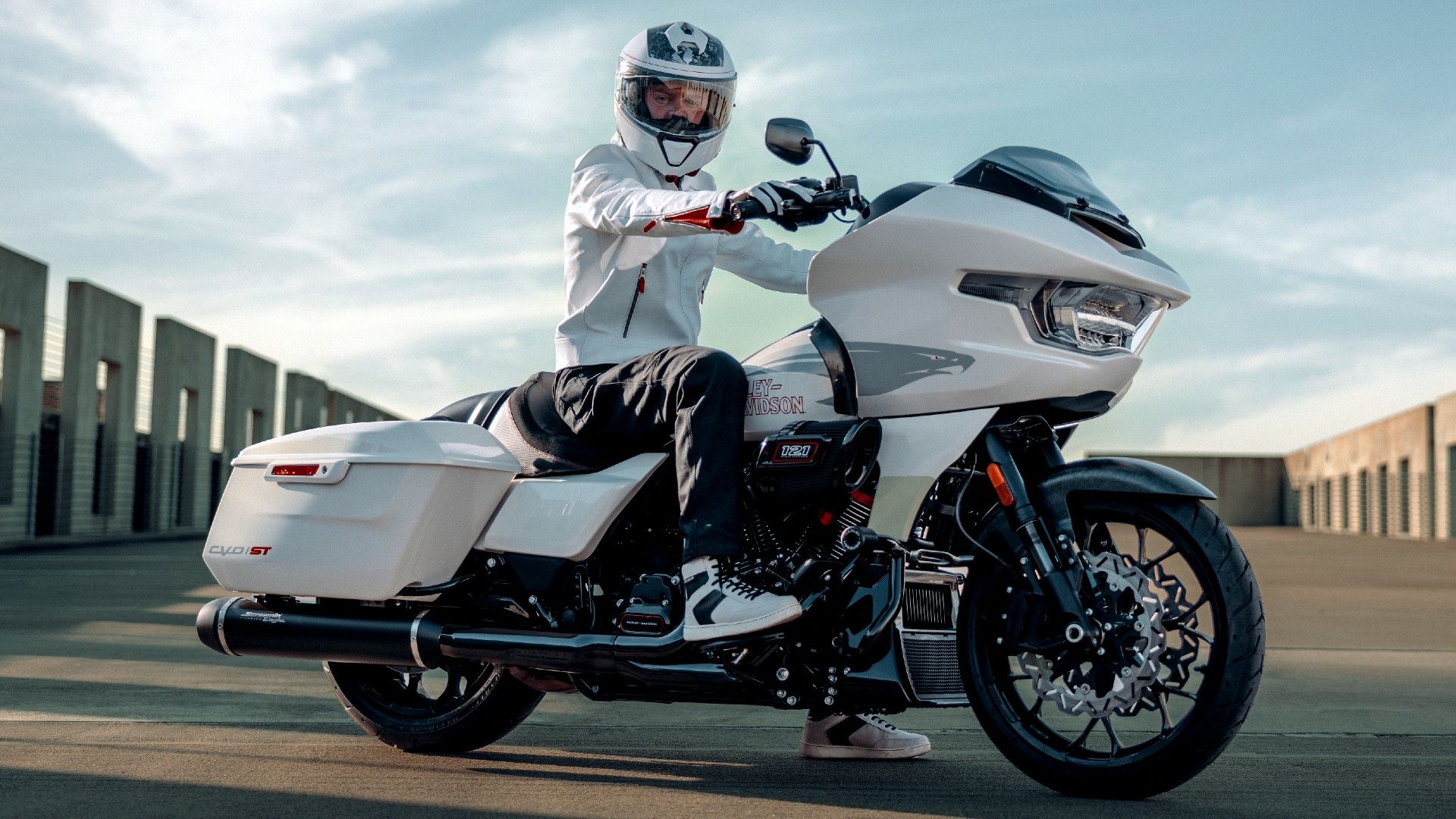
Daytona is renowned for the iconic Daytona 500, yet the shift towards inclusivity has expanded the spectrum of racing events. Recent years have witnessed a diversification beyond traditional stock car racing, introducing a variety of formats, such as endurance races, motorcycle races, and even electric vehicle competitions. Such diversity not only showcases an impressive range of automotive technology but also attracts new fans who may not have been engaged with conventional racing.
Furthermore, engaging with different racing formats enables opportunities for cross-discipline fans. For instance, a Formula E fan might develop an interest in NASCAR, thanks to the shared values of speed, competition, and cutting-edge technology. As more varied events grace the schedule, Daytona is positioning itself as a multifaceted motorsport haven.
**Cultural Reflections**
The cultural implications of a shifting racing paradigm extend beyond the speedway. The events hosted at Daytona are increasingly mirroring societal shifts. The incorporation of diverse teams and drivers from various backgrounds represents a laudable commitment to inclusivity. This shift not only enhances representation in a traditionally homogeneous sport but also offers a broader appeal to fans worldwide.
Additionally, the themes of innovation and progress resonate deeply within pop culture. Collaborations with brands outside the automotive industry usher in fresh narratives, blending motorsport with music, fashion, and technology. This holistic approach to event promotion integrates racing into the broader cultural fabric, piquing curiosity from those who may not have sought out motorsport otherwise.
**Conclusion: The Road Ahead**
Daytona’s journey is one of intrigue and anticipation as it navigates the complexities of a changing environment. The racing paradigm shift embodies more than just technological advancements and sustainability; it reflects a maturation of the sport that resonates with contemporary values. Those invested in the future of racing are left wondering: how else might the fusion of tradition and innovation manifest? As Daytona boldly moves forward, the destination remains shrouded in thrilling uncertainty, promising fans an exhilarating ride into the future of speed events.