Few machines in cinema history have achieved the iconic status of the chopper in Easy Rider. That roaring, chrome-plated beast wasn’t just a motorcycle—it was a rolling metaphor for freedom, rebellion, and the open road’s seductive allure. Released in 1969, Dennis Hopper and Peter Fonda’s countercultural odyssey didn’t just introduce audiences to a new kind of bike; it redefined what a motorcycle could symbolize on screen. The film’s two primary choppers—Captain America and Billy’s unnamed machine—became more than props. They were characters, silent witnesses to a nation’s shifting moral landscape. Decades later, their legacy endures, not just in the annals of film history, but in the very DNA of motorcycle culture. This is the story of how two motorcycles became legends, and how their cinematic presence continues to shape our collective imagination of rebellion, adventure, and the pursuit of the American Dream.
The Birth of a Cinematic Icon: The Chopper’s Evolution Before Easy Rider
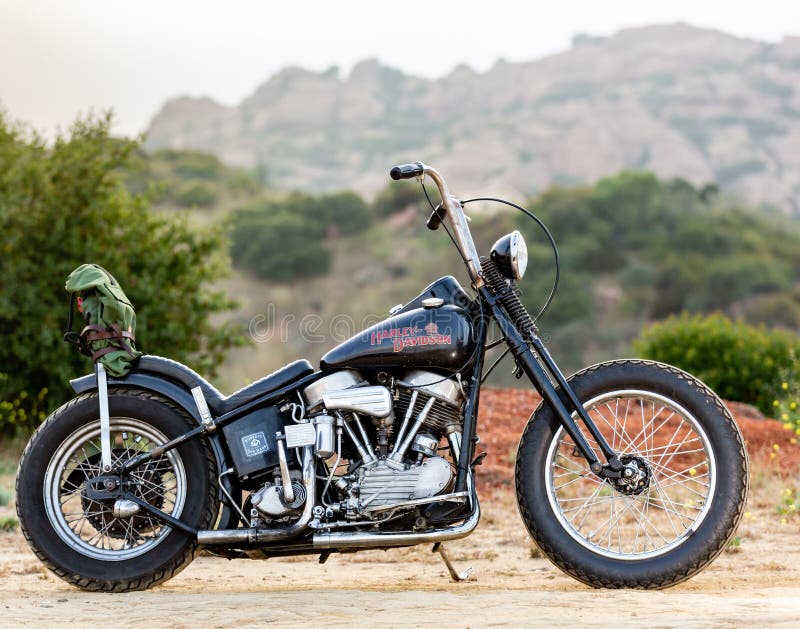
Before *Easy Rider* roared onto screens, choppers were already a subculture phenomenon. Born from the garages of California’s custom bike builders, these machines were radical departures from stock motorcycles. Riders chopped frames, stretched forks, and mounted ape-hangers, transforming utilitarian vehicles into rolling works of art. The term “chopper” itself derived from the act of chopping away excess material to reduce weight and enhance performance. But it wasn’t just about speed—it was about identity. These bikes were extensions of their riders’ personalities, defiant statements against conformity. The motorcycle clubs of the 1950s and 60s, like the Hells Angels, had already imbued choppers with a rebellious aura. Yet, it took a film to catapult them from subculture symbols to mainstream icons. *Easy Rider* didn’t invent the chopper, but it immortalized it, weaving its raw, unfiltered spirit into the fabric of American storytelling.
Captain America and Billy: The Motorcycles That Defined a Generation
The two choppers in *Easy Rider* weren’t just vehicles—they were co-stars. Captain America, piloted by Peter Fonda’s Wyatt, was a gleaming white Harley-Davidson Sportster with a star-spangled gas tank, a stars-and-stripes sissy bar, and a front fork stretched to dramatic proportions. Its design was meticulous, a visual anthem to patriotism twisted into something darker, something questioning. Billy’s bike, in contrast, was a more understated but equally rebellious Harley, its black finish and minimalist aesthetic reflecting his cynical, street-smart persona. Together, they formed a dynamic duo on the road, their contrasting styles mirroring the duality of the characters they carried. These weren’t just motorcycles; they were narrative devices, their presence on screen amplifying the themes of freedom, disillusionment, and the search for meaning. Audiences didn’t just watch Wyatt and Billy ride—they rode with them, feeling the wind, the dust, and the weight of every mile.

Behind the Scenes: The Craftsmanship and Challenges of Building the Choppers
Creating the choppers for *Easy Rider* was no small feat. The original Captain America bike was built by Ben Hardy, a renowned custom builder, in just six weeks. Hardy’s challenge wasn’t just technical—it was artistic. He had to balance the bike’s visual impact with its functionality, ensuring it could withstand the demands of filming while still looking like a machine built for the open road. The result was a masterpiece of custom fabrication, its elongated front end and gleaming chrome reflecting the optimism of the late 60s. Yet, the bike’s journey was fraught with peril. During filming, it was stolen, only to be recovered days later, a twist of fate that only added to its mystique. The behind-the-scenes stories—of late-night welding sessions, of actors bonding with their machines, of the sheer grit required to bring these visions to life—paint a picture of a film crew as much in love with the choppers as the characters they carried.
Cinematic Choreography: How the Choppers Moved the Story Forward
The choppers in *Easy Rider* weren’t static props; they were dynamic participants in the narrative. The film’s most iconic scenes—Wyatt and Billy cruising down Route 66, the bikes silhouetted against the desert sunset, the final, fateful ride—were as much about the machines as they were about the characters. The choppers’ movements were deliberate, their roars a soundtrack to the characters’ internal struggles. When Wyatt and Billy stop at a commune or a cemetery, the bikes are parked with care, as if they, too, are taking a moment to reflect. The choppers’ presence in these scenes wasn’t accidental; it was intentional, a visual shorthand for the characters’ journeys. Their mechanical growls punctuated the silence, their gleaming bodies a stark contrast to the dusty, desolate landscapes they traversed. In *Easy Rider*, the motorcycle wasn’t just a mode of transport—it was a storyteller, its every rev and rumble a chapter in the film’s unfolding drama.

The Cultural Ripple: How Easy Rider’s Choppers Influenced Motorcycle Design and Pop Culture
The impact of *Easy Rider*’s choppers extended far beyond the silver screen. In the years following the film’s release, custom bike builders reported a surge in demand for choppers modeled after Captain America and Billy’s machines. The film’s success helped popularize the idea of the motorcycle as a symbol of rebellion and individuality, a trend that would define the 1970s and beyond. Chopper culture exploded, with builders pushing the boundaries of design, experimenting with radical shapes, colors, and materials. The film also left an indelible mark on pop culture, inspiring countless references in music, television, and fashion. From the outlaw aesthetic of rock bands like Lynyrd Skynyrd to the leather-clad rebels of *Sons of Anarchy*, the choppers of *Easy Rider* became a visual shorthand for a certain kind of defiance. Even today, their influence is undeniable, a testament to the power of cinema to shape not just culture, but the very machines we revere.
Preservation and Legacy: The Fate of the Original Choppers
The original choppers from *Easy Rider* have had storied lives beyond the film. Captain America, after its theft and recovery, was displayed in various exhibitions before being sold at auction for a staggering sum. Its journey from screen to collector’s item reflects the bike’s transformation from a cinematic prop to a cultural artifact. Billy’s chopper, too, has had a tumultuous history, passing through multiple owners and undergoing restorations to preserve its original glory. These bikes are more than relics; they are time capsules, their every scratch and dent a reminder of the film’s enduring legacy. Museums and private collectors now guard them jealously, ensuring that future generations can marvel at the machines that helped define a generation. Their preservation is a labor of love, a tribute to the film that made them immortal.
Choppers in Cinema: The Enduring Appeal of Motorcycles on Screen
The choppers of *Easy Rider* didn’t just leave their mark on motorcycle culture—they redefined the role of motorcycles in cinema. Before *Easy Rider*, motorcycles in films were often relegated to the role of props, mere vehicles for action sequences or chase scenes. But Hopper and Fonda’s film changed all that. It elevated the motorcycle to the status of a co-star, a silent but powerful presence that could carry the weight of a story’s themes. This legacy can be seen in films like *Mad Max*, *Terminator 2*, and *Sons of Anarchy*, where motorcycles are more than just machines—they are characters in their own right. The chopper’s cinematic appeal lies in its duality: it is both a symbol of freedom and a harbinger of danger, a machine that can carry its rider to the ends of the earth or to their doom. In this way, the choppers of *Easy Rider* didn’t just influence motorcycle culture—they redefined what it meant to ride on screen.