In the ever-evolving landscape of motorcycle manufacturing, the recent split between KTM and MV Agusta marks a pivotal moment for both brands. This separation carries profound implications, not only in their operational frameworks but also in their brand identities, market strategies, and future innovations. As enthusiasts and industry analysts alike contemplate what this means moving forward, let’s delve deeper into the ramifications of this separation and uncover the potential transformations that lie ahead for both KTM and MV Agusta.
A Historical Context
To fully appreciate the implications of the split, it is essential to understand the historical context between KTM and MV Agusta. The partnership, though relatively recent, saw a confluence of two distinct motorcycle cultures: KTM, renowned for its rugged off-road prowess and competitive racing pedigree, and MV Agusta, celebrated for its Italian elegance, racing heritage, and artisanal craftsmanship. Their collaboration was said to foster pilot projects that aimed to leverage each other’s strengths. However, the divergence of their visions appears to have necessitated a reevaluation of priorities.
Market Positioning
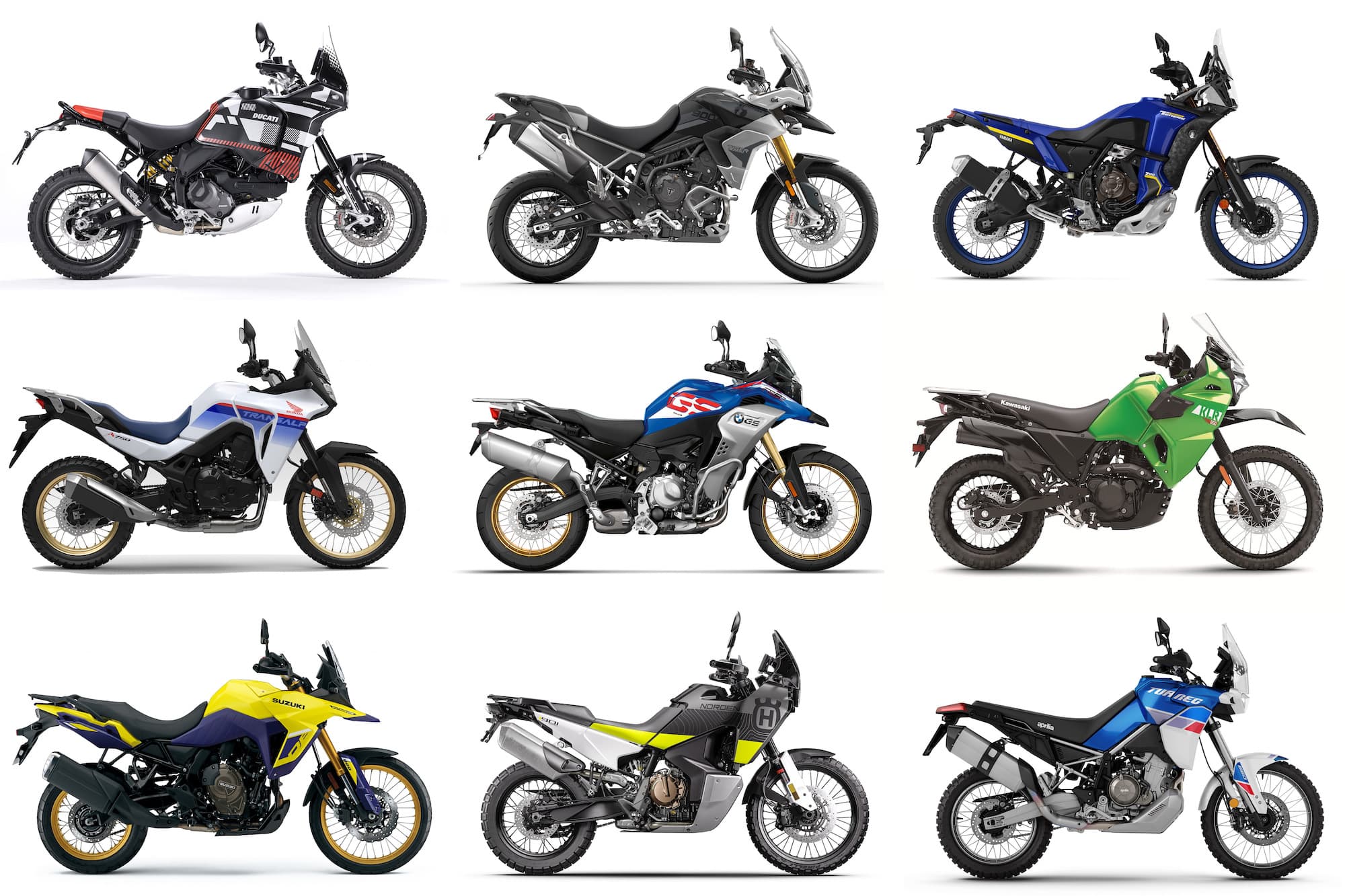
With the split, both brands are poised to redefine their market positioning. KTM, which has long excelled in the adventure and off-road segments, can now further hone its efforts on expanding into electric mobility, potentially introducing innovative models that cater to environmentally conscious consumers. The agility and adaptability that define KTM’s DNA will likely see it navigate the future with precision, as the brand strives to capture more of the growing adventure-touring market.
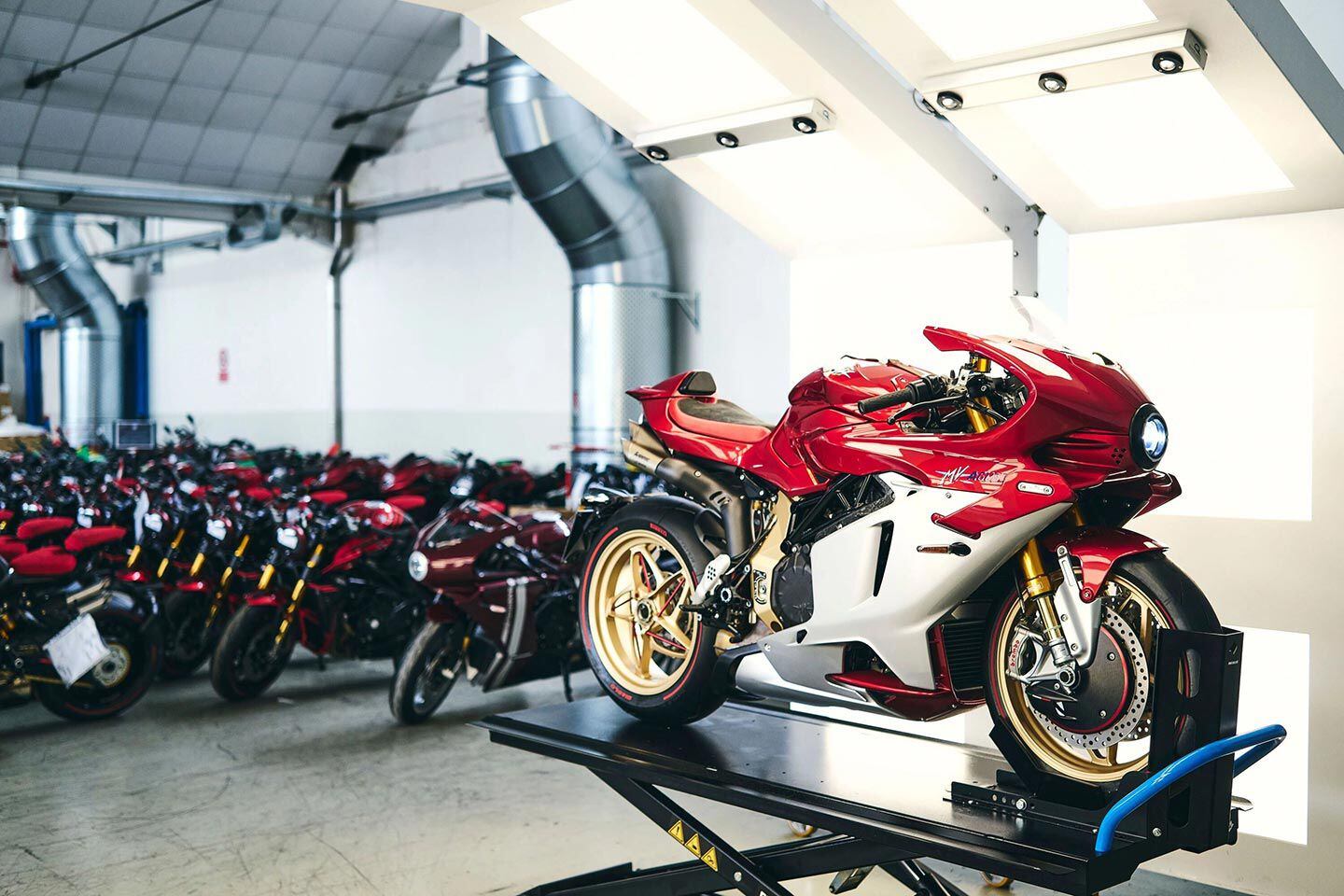
Conversely, MV Agusta will be able to focus on its core strengths—emphasizing aesthetic appeal, performance, and exclusivity. This Italian marque has long been synonymous with luxury and innovation, often attracting aficionados who crave the marriage of high-performance engineering and artistic design. The separation grants MV Agusta the freedom to innovate with bespoke models, expanding its performance line-up without the constraints of cross-brand expectations.
Product Development & Innovation
As the motorcycle industry faces the looming shadow of electric technology and evolving consumer preferences, the separation could catalyze a surge in product innovation for both brands. KTM’s engineering prowess is well-established, and a renewed focus could yield inventive models tailored for adventure enthusiasts, pushing boundaries in technology, safety, and performance. KTM’s existing research and development capabilities leave a fertile ground for exploration into electrification and advanced rider assistance systems.
On the other hand, MV Agusta’s signature model designs could evolve into stunning, avant-garde machines that encapsulate both performance and couture. By liberating itself from KTM’s domination, MV Agusta may invest significantly in modernizing its engineering processes while remaining true to its Italian roots. This could ultimately result in a new line of motorcycles that blend heritage styling with cutting-edge technology, appealing not only to motorcycle aficionados but also to luxury consumers.
Financial Considerations
The business landscapes of both brands will undoubtedly experience fluctuations post-split. With KTM focusing its efforts on expanding its market share in rugged terrains and off-road segments, it may need to consider strategic partnerships elsewhere or invest heavily in marketing campaigns to establish itself more firmly in these categories.
MV Agusta, on the flip side, might encounter challenges in reestablishing its financial autonomy. Historically, MV Agusta has struggled with financial sustainability, and the split necessitates a robust strategy to ensure prosperity. With the emphasis on exclusivity and high-performance machines, MV Agusta must navigate a fine line between premium pricing and wide-reaching market appeal.
Both brands will need to adapt to their fresh market roles, examining cost structures, supply chain logistics, and consumer engagement strategies keenly to thrive independently.
Customer Base Transformation
The divide will also reverberate through the customer bases of both companies. KTM’s loyalists are often adventure-seekers drawn towards the brand’s reputation for durability and performance in unforgiving environments. With the promise of innovative models on the horizon, KTM has the potential to further appeal to this demographic while also attracting new customers interested in emerging motorcycle technologies.
MV Agusta’s audience, conversely, craves the romance and allure intertwined with high-end motorcycles. The split allows MV Agusta to sharpen its focus on curating experiences that resonate with the exclusivity of its offerings, generating renewed interest among collectors and performance enthusiasts. Engaging marketing strategies and partnerships with lifestyle brands could bolster MV Agusta’s efforts to solidify its reputation in boutique motorcycle culture.
Conclusion
As KTM and MV Agusta embark on their respective journeys post-split, the motorcycle industry watches with bated breath. This separation is not just a bureaucratic maneuver; it represents a philosophical shift, a redirecting of missions. For KTM, it’s about harnessing its adventurous spirit and innovation in the electric and off-road segments, while MV Agusta has the opportunity to explore its artistic and engineering prowess without compromise. Each brand will face unique challenges, yet they are both poised for potential, sparking curiosity about what the future holds for their diverse offerings. The road ahead promises an exhilarating exploration of motorcycle evolution, enticing both current riders and newcomers alike.