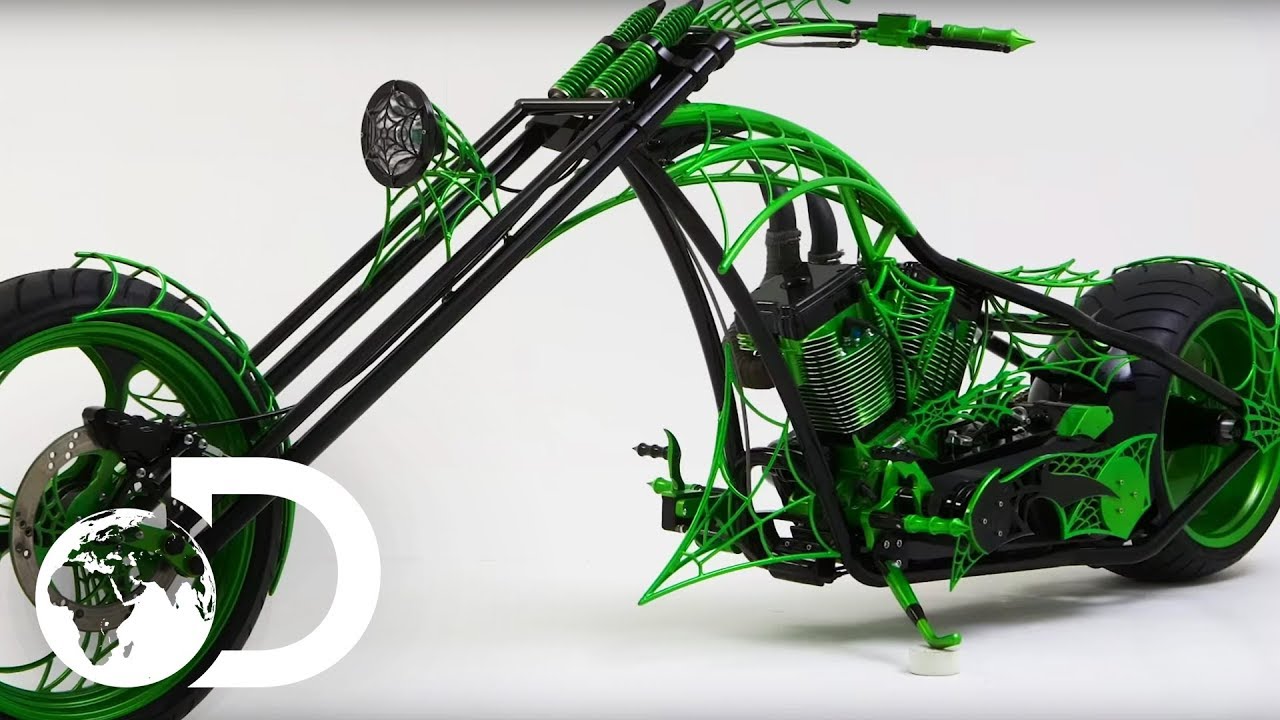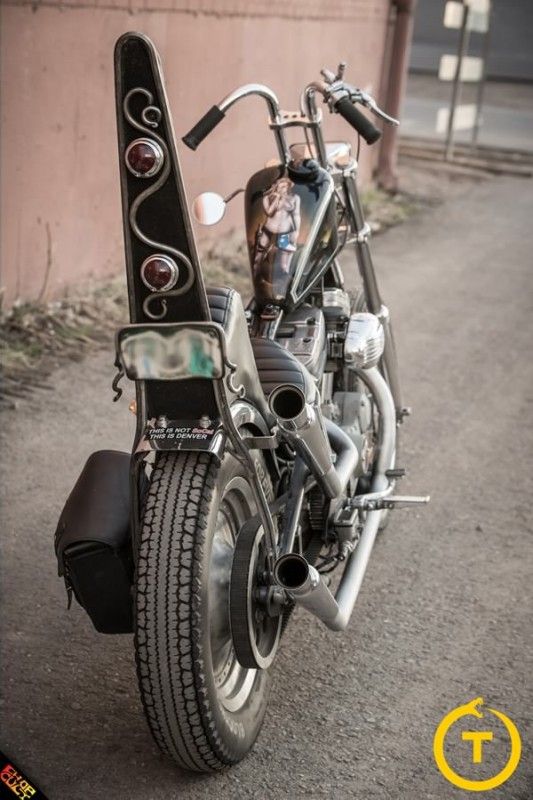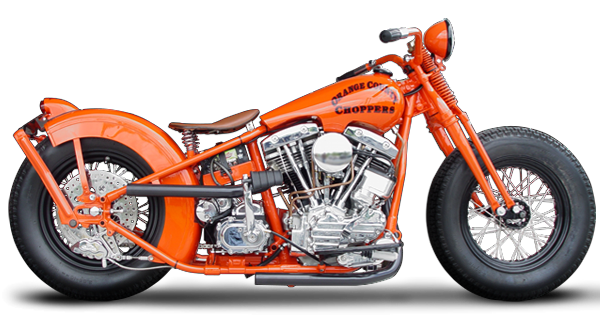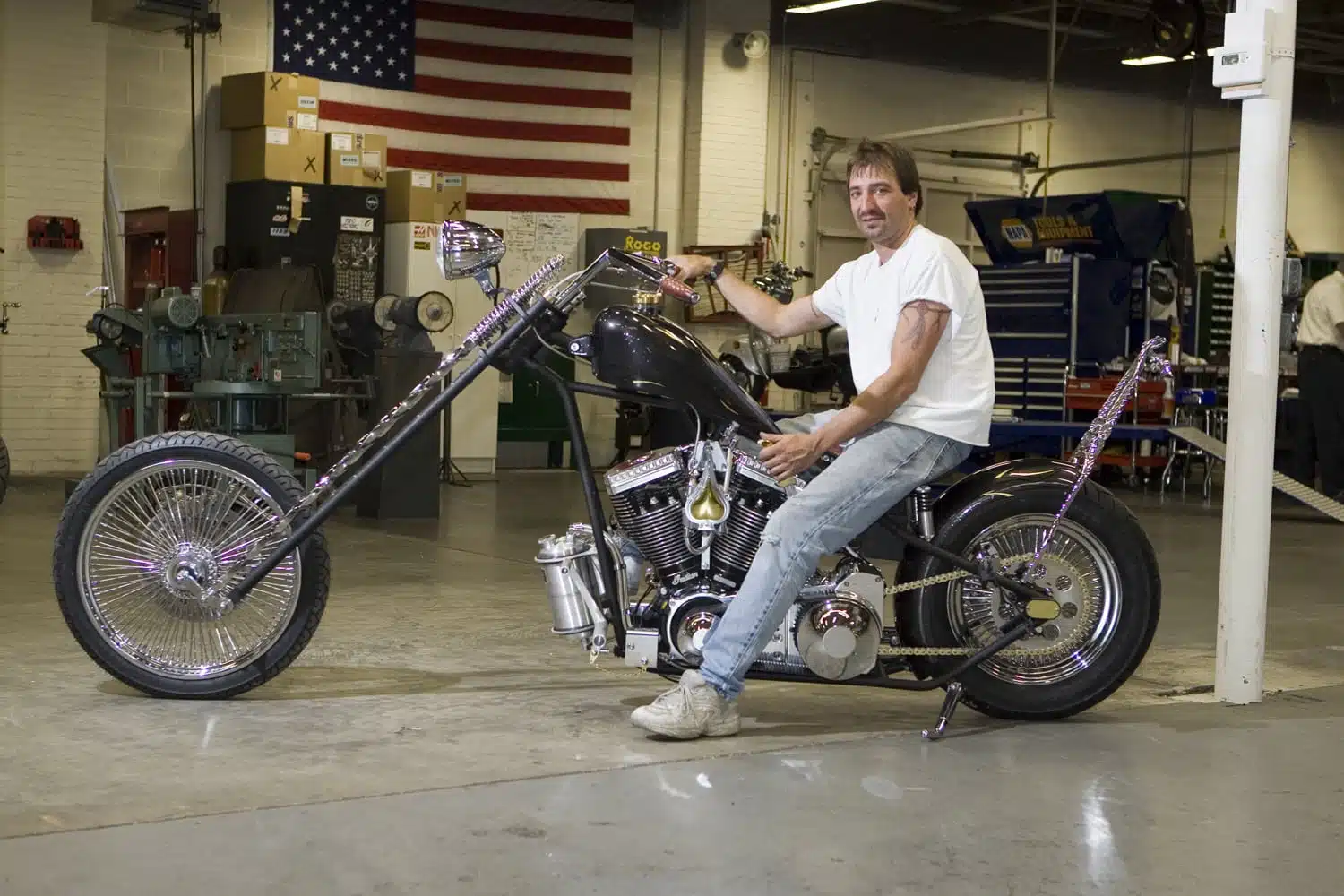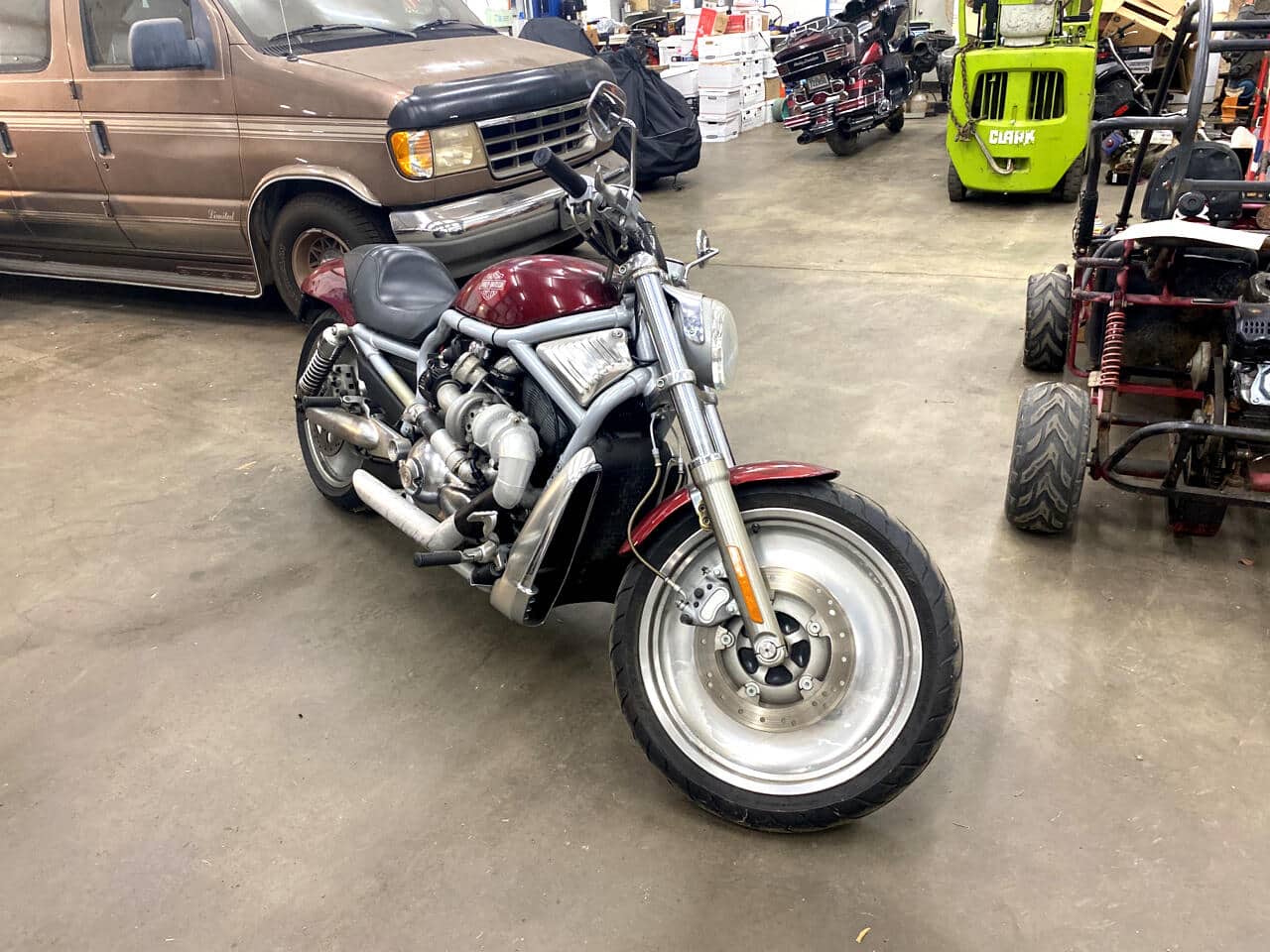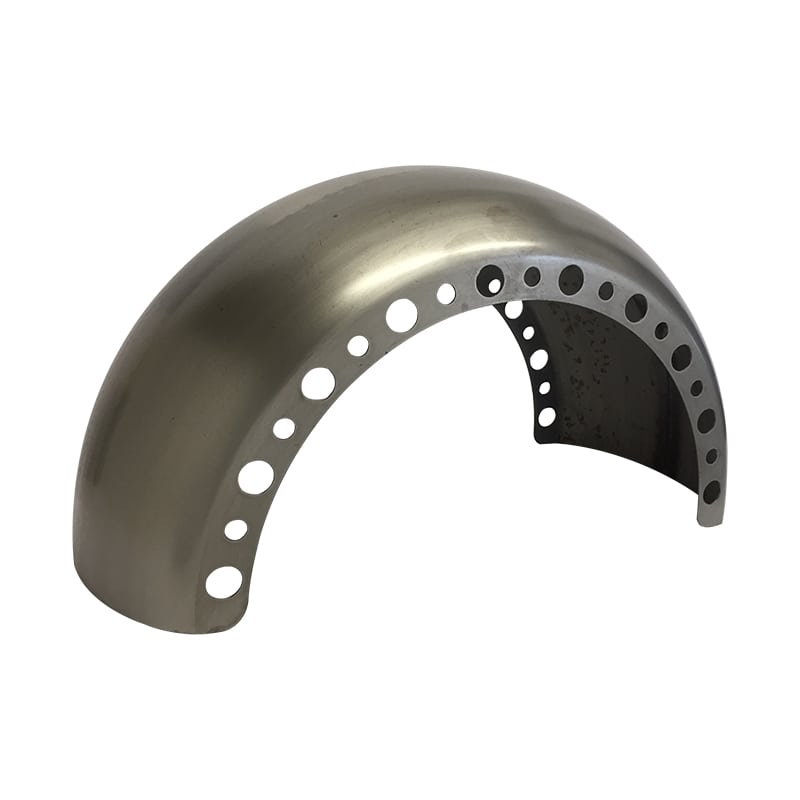
The chopper culture isn’t just about raw power and rumbling engines—it’s an art form where every detail, from the gleam of chrome to the curve of a fender, tells a story. Among these details, the rear fender stands as a defining element, a statement piece that can transform a bike from merely functional to undeniably seductive. But not all fenders are created equal. Short and long chopper rear fenders each carry their own allure, their own personality, and their own set of admirers. Whether you’re a seasoned rider with a garage full of custom builds or a newcomer dreaming of your first chop, understanding the nuances between these two styles is essential. This isn’t just about aesthetics—it’s about identity, performance, and the unspoken language of the open road.
The Allure of the Short Chopper Rear Fender: Aggressive, Bold, and Unapologetic
Imagine a beast of a motorcycle, its lines sharp and uncompromising, its presence demanding attention. The short chopper rear fender embodies this spirit. It’s a design choice that screams rebellion, a deliberate departure from the conventional. By truncating the fender, you’re not just reducing weight—you’re stripping away excess, leaving only the raw, unfiltered essence of the machine. This style is favored by those who ride with their hearts on their sleeves, who see their bikes as extensions of their own defiant souls.
The short fender’s compact silhouette creates a visual tension, a contrast between the bike’s elongated frame and the abrupt termination of the fender. It’s a look that pairs beautifully with extended forks, a stretched-out frame, and a low-slung seat, all of which amplify the bike’s aggressive stance. Riders who opt for this style often gravitate toward bold paint jobs—matte blacks, deep crimsons, or even metallic flakes that catch the light like a predator’s eyes in the dark. The short fender doesn’t just sit on the bike; it *complements* it, enhancing the chopper’s rakish charm without overpowering it.
But the allure of the short fender isn’t purely aesthetic. There’s a practical edge to it as well. The reduced surface area means less drag, a slight but meaningful advantage when you’re pushing the limits on the highway. It also makes the bike more maneuverable, a trait that’s particularly appealing to riders who love carving through twisty mountain roads or navigating tight urban streets. For those who build their choppers with performance in mind, the short fender is a nod to efficiency as much as it is to style.

The Long Chopper Rear Fender: Elegance Meets Endurance
If the short fender is the rebel, the long chopper rear fender is the aristocrat—sophisticated, timeless, and effortlessly cool. This style harks back to the golden age of motorcycling, when choppers were as much about cruising the boulevard as they were about tearing up the track. The long fender flows with the bike’s lines, creating a sense of harmony and balance. It’s a design that whispers *class* rather than shouting *attitude*, a choice for riders who appreciate subtlety as much as they do power.
The extended fender serves a dual purpose. Aesthetically, it elongates the bike’s silhouette, giving it a regal, almost regal air. It’s a look that pairs beautifully with vintage-inspired builds—think springer forks, whitewall tires, and a solo seat that invites you to lean back and soak in the scenery. The long fender also offers practical benefits. Its larger surface area provides superior protection from road debris, keeping your back and the bike’s rear end cleaner on long rides. For touring enthusiasts or riders who log serious miles, this is a feature that can’t be ignored.
But the long fender isn’t just about functionality—it’s about storytelling. It’s the kind of detail that hints at a bike’s history, its journey from a simple frame to a fully realized masterpiece. Whether it’s the patina of a well-loved custom or the gleam of a freshly polished showstopper, the long fender frames the bike’s narrative in a way that’s impossible to ignore. It’s a style that invites admiration, a silent testament to the rider’s dedication to craftsmanship and tradition.
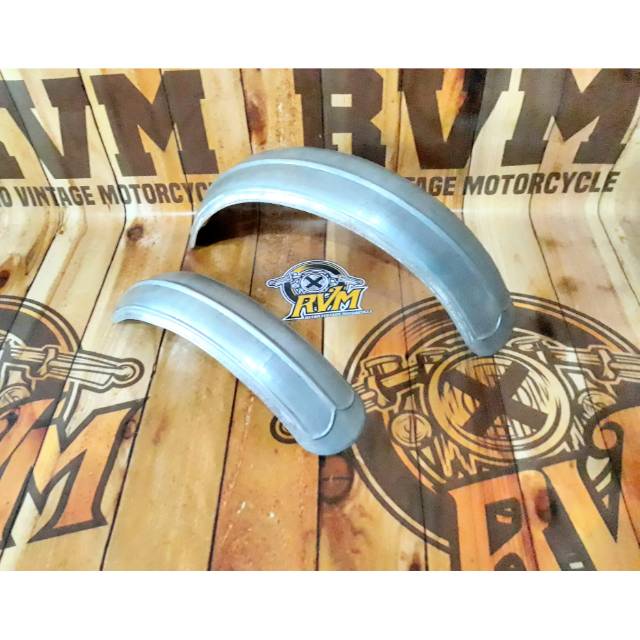
Performance Considerations: How Fender Length Affects Handling
The debate between short and long chopper rear fenders isn’t just about looks—it’s about how each style influences the bike’s behavior on the road. The short fender, with its reduced weight and drag, offers a slight edge in agility. It allows for quicker steering inputs, making it ideal for riders who prioritize responsiveness and control. This is particularly noticeable in tight turns or when navigating through traffic, where every fraction of a second counts. The trade-off, however, is that the short fender provides less protection from wind and road spray, which can be a consideration for those who ride in less-than-ideal weather conditions.
On the other hand, the long fender, while heavier, contributes to a more stable ride. The extended surface area acts as a windbreak, reducing buffeting at high speeds and providing a smoother experience for both the rider and any passenger. This stability is a boon for long-distance riders, who often face hours of highway cruising. The long fender also helps to distribute weight more evenly, which can improve traction and handling, especially when carrying additional gear or a passenger. For riders who value comfort and endurance over raw speed, the long fender is a natural choice.
It’s worth noting that the impact of fender length on performance is often subtle, especially when compared to other modifications like suspension upgrades or engine tuning. However, for the discerning rider, even the smallest details can make a difference. The key is to align your fender choice with your riding style and priorities—whether that’s the thrill of cornering at high speeds or the serenity of a leisurely cruise.
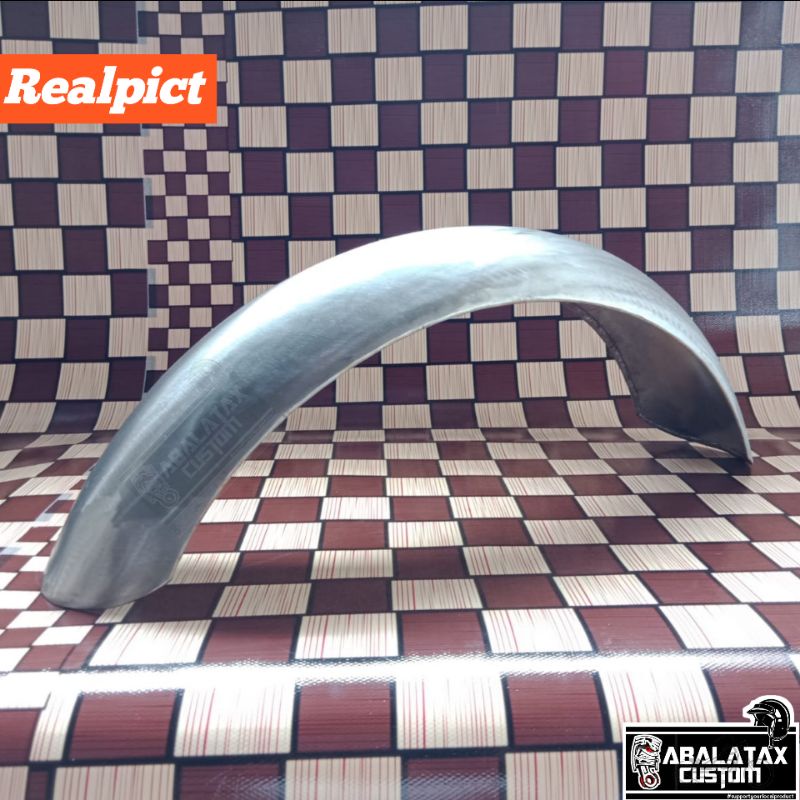
Customization and Personalization: Making the Fender Your Own
A chopper isn’t just a motorcycle—it’s a canvas, and the rear fender is one of its most expressive elements. Customization is where the magic happens, where riders transform their bikes into reflections of their personalities. The short fender offers a blank slate for bold, in-your-face modifications. Think of it as the perfect backdrop for intricate engravings, vibrant paint schemes, or even LED lighting that pulses in time with the engine’s rhythm. The compact size of the short fender makes it ideal for adding subtle yet striking details, like a hand-tooled leather strip or a custom-machined aluminum trim.
For those who prefer the long fender, the opportunities for customization are equally vast but lean toward refinement. This style lends itself to understated elegance—polished stainless steel accents, hand-stitched leather seats, or a patina finish that tells a story of miles traveled. The long fender’s extended surface provides ample space for intricate designs, such as filigree cutouts or a sweeping curve that mimics the flow of a river. It’s a style that rewards patience and attention to detail, rewarding the rider with a bike that feels as unique as they are.
Regardless of the fender style you choose, the key to successful customization is balance. A short fender with too many competing elements can look cluttered, while a long fender overloaded with details may lose its sense of harmony. The best custom builds are those where every component, from the handlebars to the taillight, feels like it belongs. It’s about creating a cohesive whole, a bike that doesn’t just stand out but *speaks* to those who see it.
Cultural Impact: How Fender Styles Define Chopper Subcultures
The chopper community is a tapestry of subcultures, each with its own values, aesthetics, and philosophies. The choice between short and long rear fenders often signals which subculture a rider aligns with, serving as a visual shorthand for their identity. The short fender is a staple in the *bobber* and *rat bike* scenes, where the mantra is “less is more.” These bikes are stripped down, raw, and unapologetic, often featuring minimalist paint jobs and a focus on raw mechanical beauty. The short fender’s aggressive lines fit seamlessly into this ethos, reinforcing the bike’s no-frills attitude.
In contrast, the long fender is a hallmark of the *cruiser* and *touring* communities, where comfort and style go hand in hand. These bikes are built for the long haul, designed to carry riders and their gear across continents with ease. The long fender’s extended silhouette and protective qualities align perfectly with this mission, making it a favorite among those who see motorcycling as a way of life rather than just a hobby. It’s a style that evokes images of open highways, sunset cruises, and the camaraderie of fellow riders at roadside diners.
Beyond these broad categories, fender styles also play a role in niche movements, such as the *british* and *japstyle* customs. British-inspired choppers often feature long, sweeping fenders that echo the elegance of vintage Triumphs and BSAs, while japstyle builds may incorporate short fenders with a rugged, utilitarian edge. These subcultures are as much about heritage as they are about innovation, and the fender choice is a nod to the traditions that inspire them.
Choosing Your Fender: A Guide for the Discerning Rider
So, how do you decide between a short and long chopper rear fender? The answer lies in a combination of personal preference, riding style, and the story you want your bike to tell. Start by asking yourself what kind of riding experience you crave. Do you thrive on the adrenaline of tight turns and high speeds? If so, the short fender’s agility and aggressive stance might be your perfect match. Or do you find solace in the rhythm of the open road, where comfort and stability are paramount? In that case, the long fender’s elegance and protective qualities could be the ideal choice.
Next, consider the aesthetic you’re drawn to. Are you captivated by the raw, unfiltered energy of a bobber, or do you lean toward the timeless sophistication of a vintage cruiser? Your fender choice should complement the overall design of your bike, enhancing its strengths and masking its weaknesses. Don’t be afraid to experiment—visit chopper shows, browse online forums, or even sketch out your ideas to visualize how different fender styles might look on your build.
Finally, think about the practicalities. How much time and effort are you willing to invest in maintenance? Short fenders, with their smaller surface area, may require less upkeep, but they also offer less protection from the elements. Long fenders, while more durable, may need occasional polishing or touch-ups to keep them looking their best. And don’t forget about compatibility—ensure that your chosen fender style works with your bike’s frame, suspension, and other components.
The right fender isn’t just a functional addition—it’s the finishing touch that elevates your chopper from a mere machine to a work of art. Whether you opt for the bold defiance of a short fender or the refined grace of a long one, the key is to choose with intention. After all, the road is long, and your bike should be as unique as the journey you’re about to embark on.