In the world of two-wheeled artistry, where chrome gleams under the neon glow of garage lights and the hum of an engine tells a story of rebellion, there’s a timeless debate brewing: vintage chopper vs. modern retro chopper. Which one truly holds its value—not just in dollars, but in soul? The answer isn’t as straightforward as you might think. One whispers of bygone eras, of grease-stained hands and raw, unfiltered craftsmanship. The other gleams with the precision of CNC machines and the allure of nostalgia repackaged for a new generation. But which one is the true heir to the chopper throne? Let’s rev our engines and dive in.
The Allure of the Vintage Chopper: A Time Capsule on Two Wheels
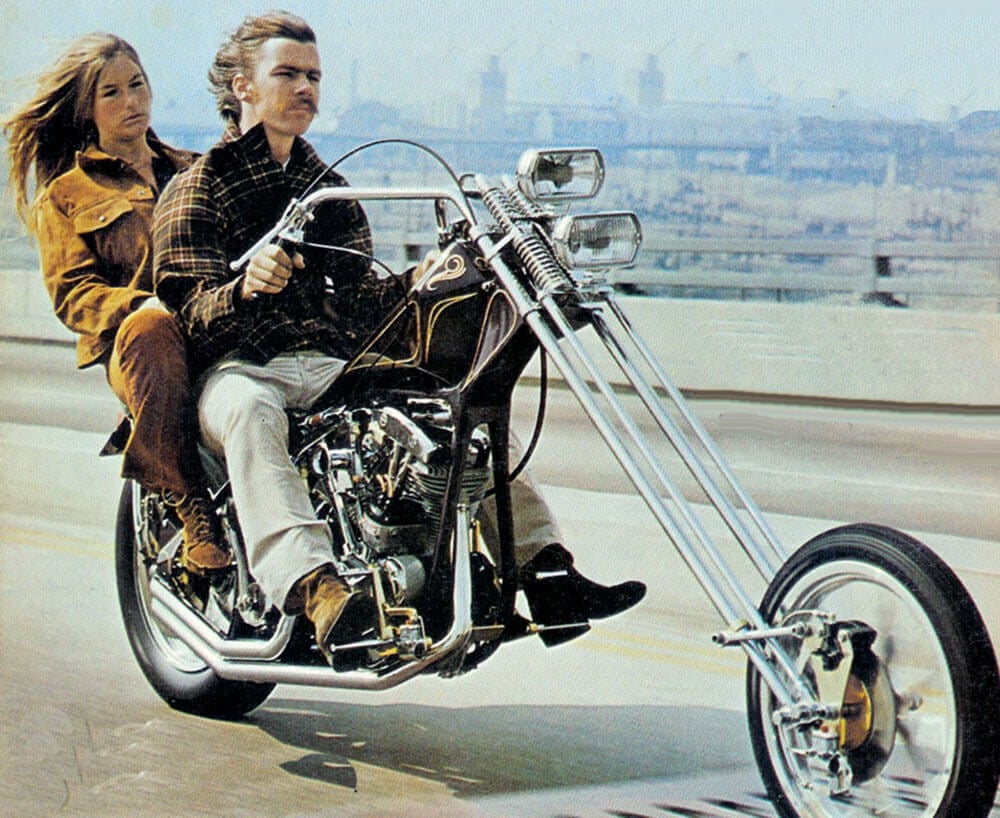
There’s something almost sacred about a vintage chopper. These machines are more than steel and rubber; they’re relics of a time when customization was a labor of love, not a weekend hobby. Built in the garages of outlaw mechanics and dreamers, vintage choppers are raw, unpolished masterpieces. The 1960s and 70s saw the birth of the chopper culture, where riders stripped down their bikes to their bare essentials, elongating frames, stretching forks, and adorning their rides with ape hangers and wild paint jobs. Every scratch, every dent tells a story—of roads traveled, of nights spent under the stars, of a culture that thrived on individuality.
But here’s the rub: vintage choppers aren’t just machines; they’re investments in history. A well-preserved 1970s Harley-Davidson Shovelhead, for example, isn’t just a motorcycle—it’s a piece of Americana. These bikes appreciate in value not just because they’re rare, but because they embody an era that can never be replicated. The patina of age, the patched-up leather seats, the faded paint—it’s all part of the charm. Yet, owning a vintage chopper isn’t without its challenges. Maintenance can be a nightmare. Parts are scarce, and when you find them, they often come with a hefty price tag. And let’s not forget the scrutiny—every bolt, every weld is a testament to your commitment to authenticity.
The Modern Retro Chopper: Nostalgia with a Side of Precision
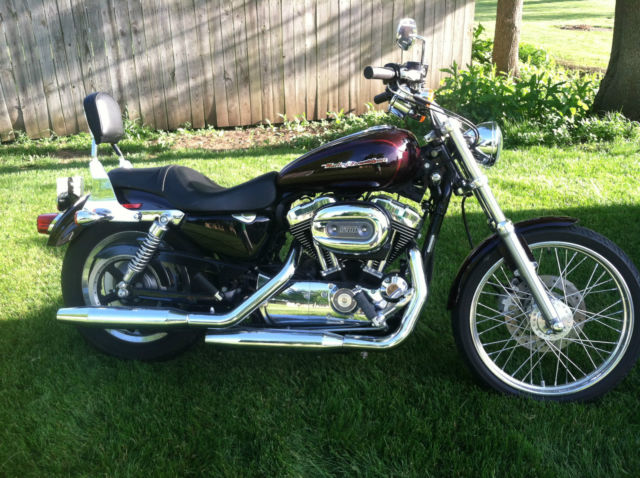
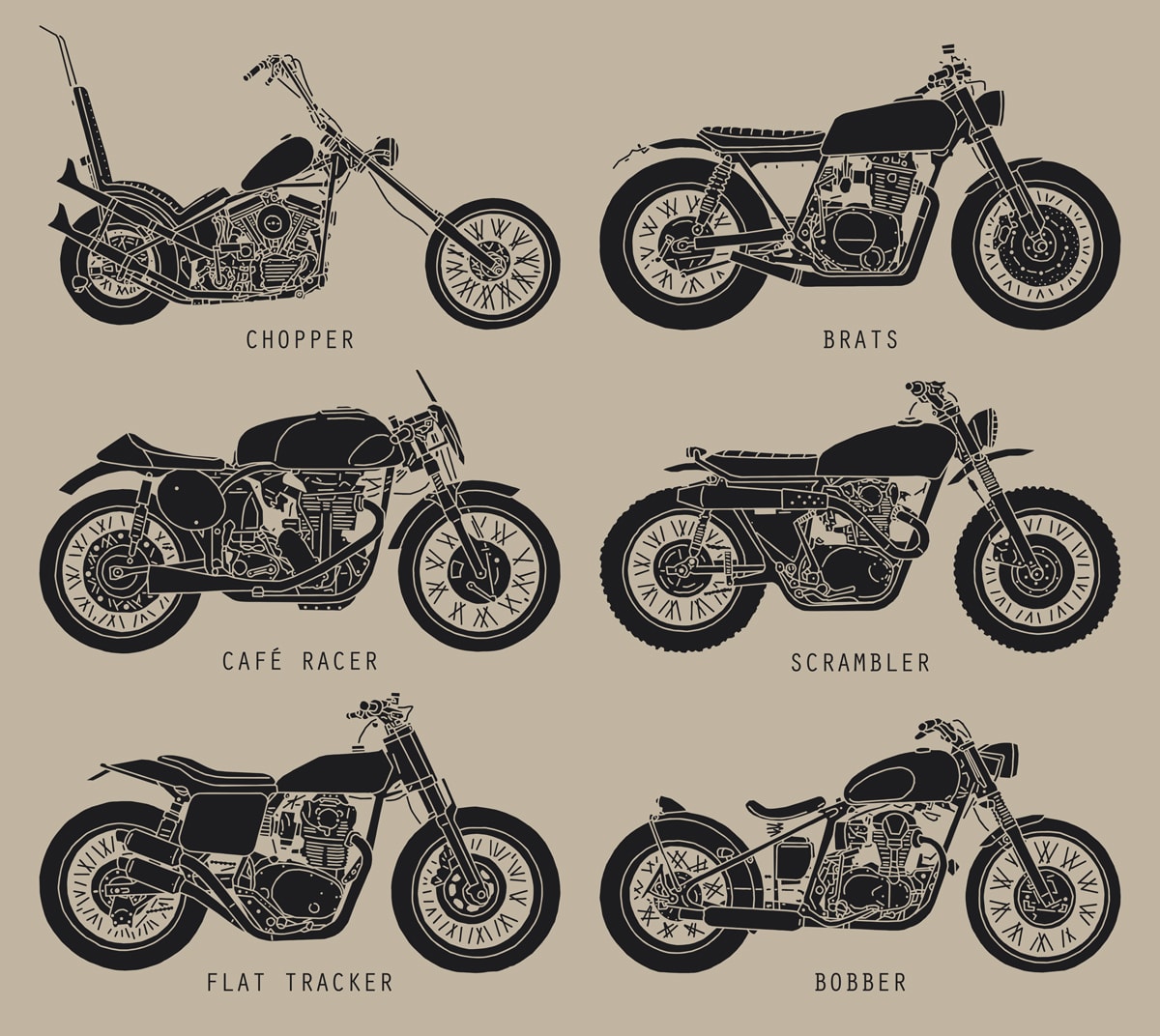
Enter the modern retro chopper—a sleek, polished homage to the past, but with the finesse of 21st-century engineering. These bikes are the result of meticulous planning, CAD software, and a deep reverence for the classics. Manufacturers like Harley-Davidson, Indian, and even boutique builders like Revival Cycles have mastered the art of blending vintage aesthetics with contemporary reliability. The result? A chopper that looks like it rolled out of a 1970s garage but rides like a modern dream.
One of the biggest draws of the modern retro chopper is its accessibility. You don’t need to scour junkyards for parts or spend years learning the art of metalwork. Everything is available off the shelf, from pre-bent frames to plug-and-play engines. Maintenance is a breeze compared to vintage bikes, and the resale value? Surprisingly robust. These bikes attract a younger generation of riders who love the look of a classic chopper but don’t want the headaches that come with owning a true vintage machine.
But is it *really* the same? There’s a certain magic to the imperfections of a vintage chopper that’s hard to replicate. The modern retro chopper, no matter how well-crafted, often lacks the soul of its older counterpart. It’s like comparing a meticulously restored classic car to a brand-new model with a vintage-inspired design—both have their merits, but one carries the weight of history.
The Value Proposition: Which One Truly Pays Off?
When it comes to value, the answer depends on what you’re looking for. If you’re an investor, a collector, or a purist who lives for the thrill of the hunt, a vintage chopper is the undisputed champion. These bikes don’t just hold their value—they often appreciate, especially if they’re rare or have a storied past. A pristine 1950s Panhead or a custom-built 1970s chopper can fetch six or even seven figures at auction. But be prepared to dig deep—not just into your pockets, but into your patience. Restoration costs can spiral out of control, and the hunt for authentic parts can feel like a never-ending quest.
On the other hand, if you’re a rider who wants the look and feel of a vintage chopper without the hassle, a modern retro chopper is a smart investment. These bikes offer a balance of style, performance, and practicality. They’re easier to maintain, more reliable, and often come with warranties. Plus, they’re more likely to appeal to a broader audience if you ever decide to sell. But here’s the catch: the market for modern retro choppers is still maturing. While they hold value well, they’re not yet the blue-chip investments that vintage choppers are. That could change as more riders embrace the retro aesthetic, but for now, they’re the understated cousins of the vintage world.
The Soul Factor: What’s Really at Stake?
At the end of the day, the debate between vintage and modern retro choppers isn’t just about dollars and cents. It’s about soul. A vintage chopper carries the weight of history, the scars of a thousand miles, the whispers of riders who came before you. It’s a machine that’s been touched by time, and that gives it a character that’s impossible to fake. A modern retro chopper, while stunning, is like a well-executed cover of a classic song—it pays homage to the original but lacks the raw, unfiltered energy of the real thing.
So, which one holds value? The answer isn’t black and white. It’s about what you value most. If you’re chasing the thrill of the hunt, the challenge of restoration, and the prestige of owning a piece of history, then vintage is the way to go. But if you want a bike that turns heads, delivers a smooth ride, and holds its value without the drama, then modern retro is your best bet. Either way, you’re winning—because at the end of the day, a chopper isn’t just a bike. It’s a statement.