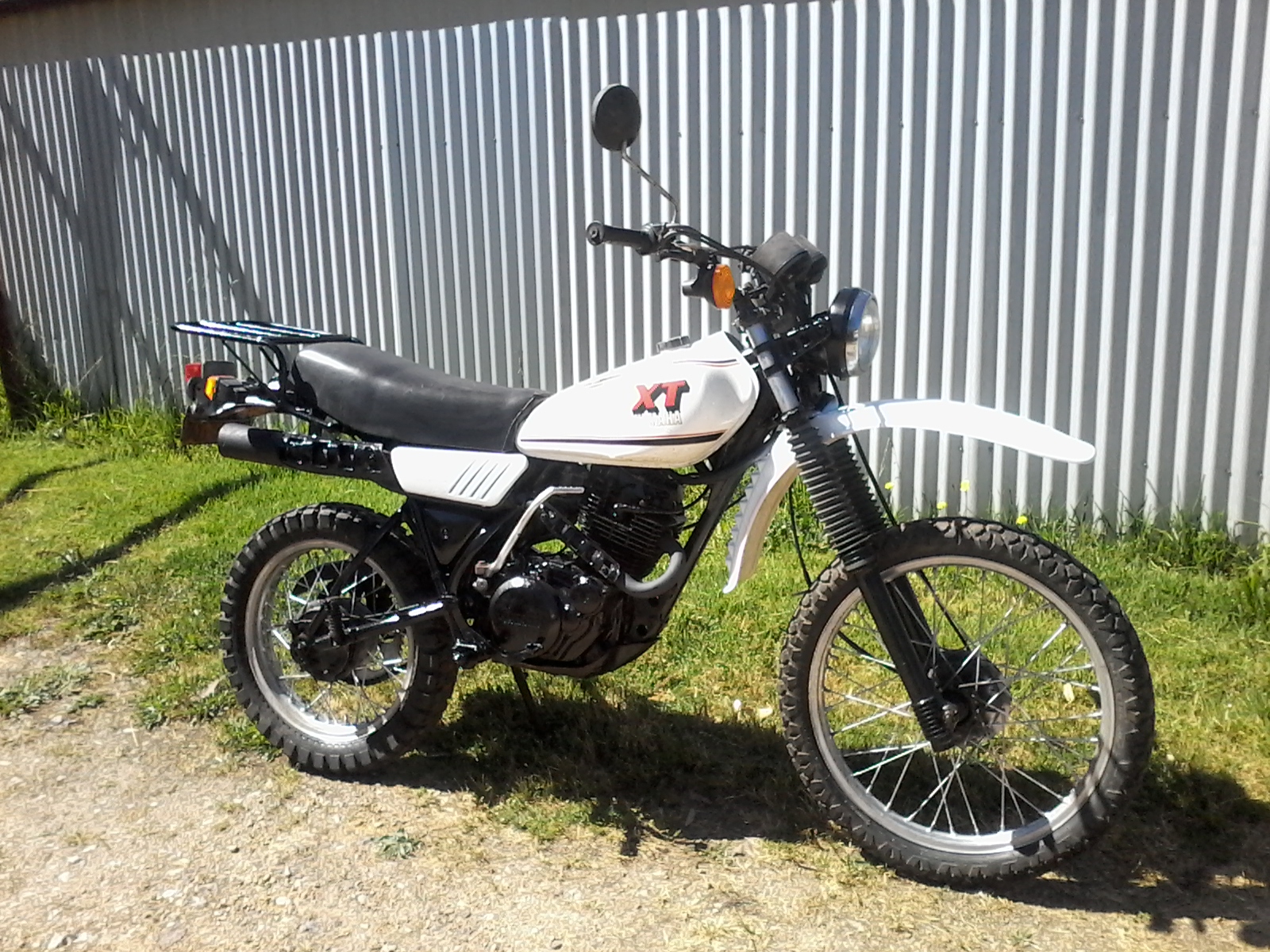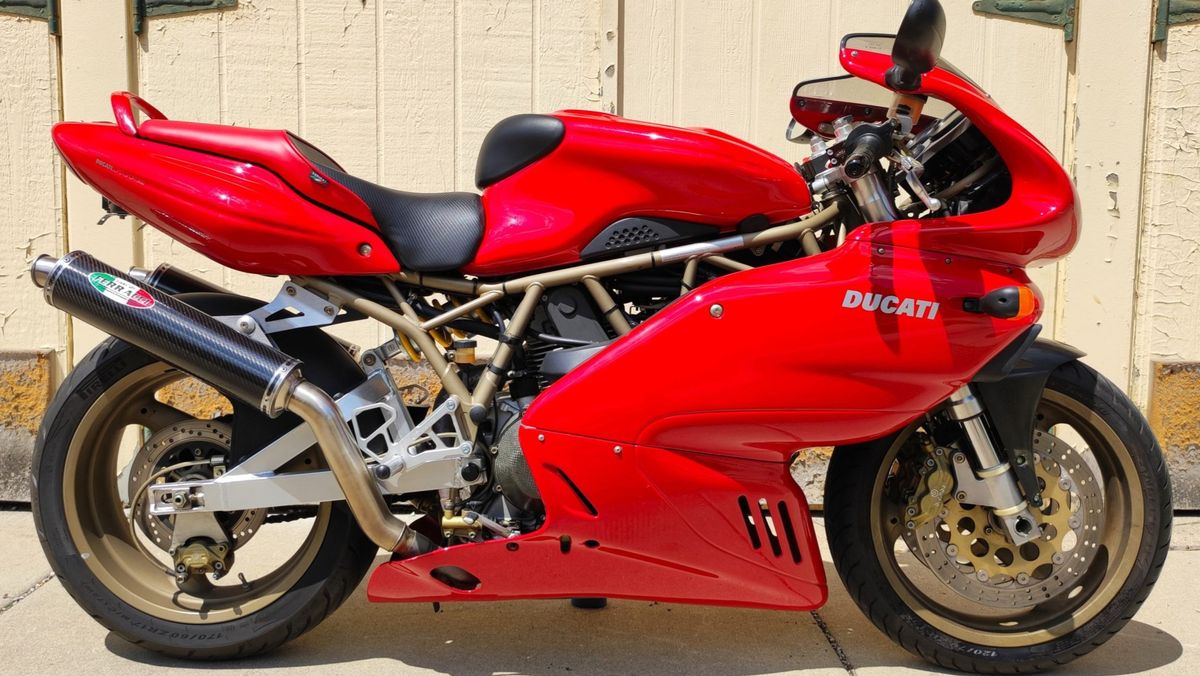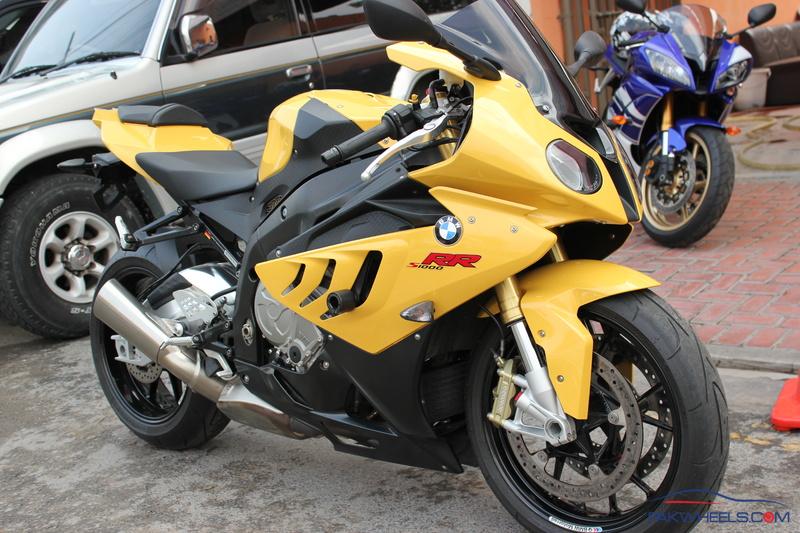
Why do 1970s bikes seem to possess a spirited vitality that modern counterparts often lack? Is it merely nostalgia playing tricks on our perception, or is there something inherently more “alive” about these vintage machines? This playful conundrum invites a deeper exploration into the subtle qualities that distinguish the two eras of cycling. Delving beneath the surface, it becomes clear that the tactile experience, mechanical intimacy, and aesthetic philosophy of 1970s bicycles combine to create a dynamic synergy that stimulates both rider and machine in ways modern designs often overlook.
At the heart of this discussion lies the notion of mechanical purity — a term that conjures images of intricate, hand-finished steel frames, delicate lugwork, and fully mechanical shifting systems. The bicycles from the 1970s were largely constructed from steel tubing, a material revered not only for its durability but also for its nuanced vibrational feedback. Unlike today’s carbon fiber or aluminum frames, which prioritize rigidity and weight reduction, steel offers a subtle resilience that resonates with the rider’s movements. This allows for a more intimate connection, making each pedal stroke feel like a dialogue rather than a transmission.
This sensory richness is further amplified by the mechanical components themselves. Vintage bikes employ friction shifters and simple, mechanical derailleurs that demand engagement and finesse. Riders must anticipate gear changes, modulate pressure, and feel the chain slide across the sprockets. This manual orchestration contrasts starkly with electronic shifting and sealed, precision-engineered parts of modern machines, which largely automate and mute these elements. The mechanical challenge and resultant tactile feedback make the ride a constantly evolving experience — vibrant and alive.
Beyond materials and mechanics, the geometry and design ethos of 1970s bikes contribute to their alive feeling. Frames from this era often feature more relaxed angles and longer wheelbases compared to the aggressively compact, aerodynamic shapes prevalent today. This intentional design leads to a more forgiving, flowing ride that seems to absorb road imperfections and respond fluidly to the rider’s input. The dynamic balance between stability and responsiveness is a hallmark of classic bike geometry, fostering a sensation of being “in tune” with the machine and the terrain.
The visual and tactile aesthetics also play a crucial role in this perception. Hand-painted details, chromed lugs, leather saddle suppleness, and slender handlebar tapes transform the bicycle into a bespoke artifact rather than just a tool. Every inch conveys craftsmanship and personality, inviting admiration and care. Modern bikes, though marvels of engineering, can sometimes convey a sterile, impersonal aura, their sleek finishes and minimalist designs favoring performance metrics over character. The warmth of patina and subtle imperfections on a 1970s bicycle contribute to a narrative — a continuous story of use, maintenance, and evolution that breathes life into metal and rubber.
Another layer to this experiential difference lies in the rider’s mindset and cultural context. Riding a 1970s bike often requires a willingness to engage with the machine actively — tuning cables, cleaning chains, adjusting brakes — transforming cycling from purely physical exercise into an artful ritual. This intimate involvement fosters a deeper appreciation of the bicycle’s intricate interplay of moving parts. Modern bikes, with their sealed units, integrated electronics, and component standardization, reduce this hands-on engagement. While convenient, this streamlining can inadvertently dull the rider’s feeling of co-creation with the bike.
In juxtaposition, technology does bestow undeniable advantages. Lightweight materials, disc brakes, and advanced ergonomics of modern bikes enhance speed, safety, and comfort. Performance has been refined through decades of innovation, enabling riders to push boundaries far beyond what was possible in the 1970s. Yet, this hyper-efficient approach can sometimes strip away the poetic imperfections that animate the cycling experience. Instantaneous gear changes and rigid carbon frames minimize sensory input, inadvertently creating a feeling of detachment from the machine’s soul.
So, is it possible to reconcile the sensorial richness of the past with the precision of present-day cycling? Some enthusiasts argue for a hybridized approach — infusing modern materials or components into classic frames, or enhancing vintage bicycles with subtle technological upgrades. This fusion maintains the tactile dialogue and aesthetic charm while benefiting from advances in safety and efficiency. However, others cherish the pure, unadulterated character of 1970s bikes as a form of mechanical authenticity that is irreplaceable.
In many respects, the liveliness of 1970s bicycles can be likened to the distinction between analog and digital realms. The former invites an immersive, sometimes unpredictable engagement, where nuance and imperfection contribute to richness. The latter prioritizes clarity, speed, and uniformity, often at the expense of emotional connection. As material culture shifts invariably lean toward digital precision, the tactile and mechanical poetry of vintage cycling endures as a cherished counterbalance.
Ultimately, the sensation that 1970s bikes feel more alive stems from a multifaceted synthesis of material authenticity, mechanical intimacy, aesthetic charm, and cultural practice. These elements collectively foster a profound interaction between rider and machine — an embodied experience that delights the senses and engages the mind. In a world increasingly dominated by streamlined efficiency and technological automation, the living spirit of these classic bicycles offers a unique invitation: to slow down, appreciate craftsmanship, and rediscover the joy of riding as a creative, symbiotic act. Riding a 1970s bike is not just transportation; it’s an encounter with history, art, and life itself.