In the annals of motorcycle history, few models signify a pivotal leap in design and rider experience quite like the 1967 Harley Davidson Electra Glide. Often revered as the harbinger of modern touring motorcycles, this machine did not simply introduce a new model; it epitomized the birth of touring comfort, blending robust engineering with rider-centric innovation. The 1967 Electra Glide set a precedent in the motorcycle world, laying the foundation for decades of touring motorcycles to come. This article delves deep into the myriad facets of this iconic model, exploring its design intricacies, mechanical advancements, cultural impact, and the unique blend of ruggedness and refinement that defines the Electra Glide legacy.
The inception of the Electra Glide heralded a significant evolution in Harley Davidson’s lineup. Unlike its predecessors, the 1967 model was purpose-built for long-distance travel, featuring innovations that prioritized rider endurance and comfort. At its core, the Electra Glide boasted an electric start system — a technological marvel at the time, replacing the laborious kick-start method. This seemingly simple advancement revolutionized the riding experience, underscoring the company’s commitment to blending convenience with classic biker aesthetics.
Underpinning the Electra Glide’s touring prowess was the robust “Panhead” V-twin engine, an emblem of Harley’s engineering excellence. This engine configuration, renowned for its durability and torque, delivered sufficient power to conquer extensive highway journeys with ease. The distinctive 74 cubic inch displacement unleashed a gratifying blend of performance and reliability. The signature rattle and mechanical symphony of the Panhead’s overhead valve design provided both auditory and visceral satisfaction to enthusiasts, augmenting the sensory connection between man and machine.
One of the defining features that elevated the Electra Glide above its contemporaries was its suspension system. The front telescopic forks and rear swingarm equipped with dual shock absorbers worked harmoniously to absorb road imperfections, eschewing the brute force of earlier rigid frame motorcycles. This suspension refinement translated to a smoother, more controlled ride, significantly reducing rider fatigue on long hauls. The streamlined frame also contributed to superior handling, marking a deliberate shift toward rider ergonomics and precise control.
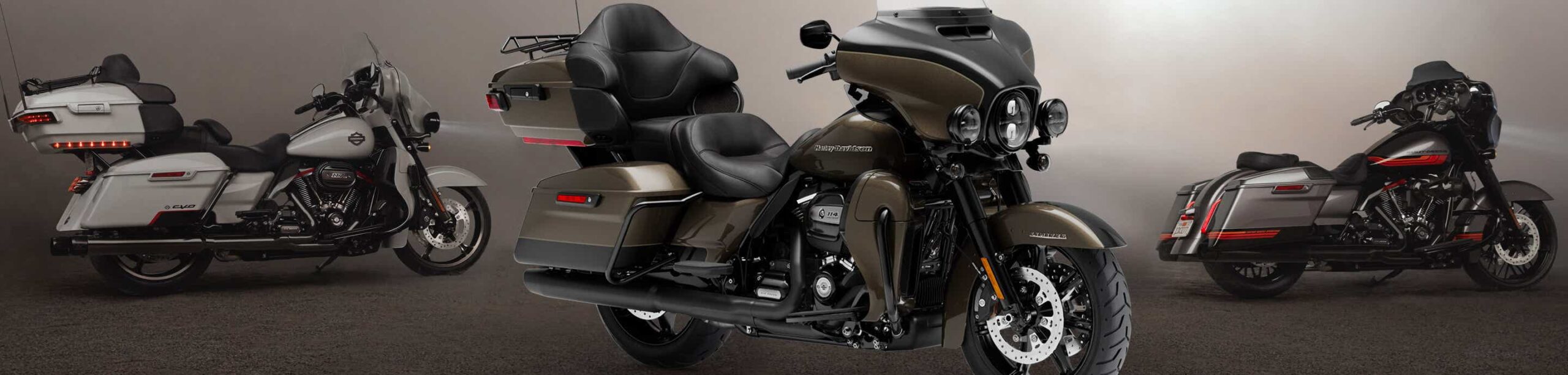
Visual aesthetics played an integral role in the Electra Glide’s commercial and cultural success. The 1967 model introduced Harley’s innovative full nacelle front end—a stylish, molded fairing that housed the headlight and instrumentation while shielding the rider from wind and debris. This design was not merely an exercise in form; it enhanced aerodynamics and riding comfort, especially crucial for sustained speeds on open highways. Complementing the nacelle were spacious saddlebags, providing practical storage without compromising the bike’s streamlined silhouette. The Electra Glide’s design ethos balanced functionality and elegance, appealing to riders who sought both substance and style.
Inside its cockpit, the Electra Glide emphasized convenience and rider control. Instrument clusters offered clear visibility of essential information, including speedometer and fuel gauge, while handlebar-mounted controls enabled seamless operation. The seating arrangement was meticulously crafted to accommodate two passengers comfortably, featuring a well-padded, wide saddle that alleviated pressure points during prolonged rides. Adequate footboards replaced conventional foot pegs, allowing riders to rest their feet in varying positions, further enhancing comfort on the road.
The 1967 Electra Glide was also a cultural icon, emblematic of the burgeoning 1960s motorcycle touring culture. For many, it symbolized freedom and adventure, transcending the utilitarian purpose of transportation. The model was frequently associated with motorcycle clubs and long-distance riders who chronicled their journeys across vast American landscapes. This social milieu encapsulated a growing community of enthusiasts who prized not only the mechanical reliability of their machines but also the camaraderie and narratives that emerged from shared road experiences.
From a maintenance and aftermarket perspective, the Electra Glide’s design facilitated customization and ease of upkeep. Motorcyclists and mechanics appreciated the accessibility of its engine components, as well as the modular nature of its fairings and accessories. This adaptability spurred a vibrant culture of modification, enabling riders to tailor their Electra Glides to various touring demands—whether for enhanced performance, personal comfort, or aesthetic flair. As a result, the 1967 Electra Glide became a canvas for individual expression, consolidating its enduring appeal across generations.
Technological advancements extended beyond the core mechanical features. The electrical system incorporated in the Electra Glide was pioneering for its era, featuring a 12-volt system with an electric start that markedly improved reliability and ease of use. The introduction of turn signals and improved lighting systems further increased safety during extended rides and urban navigation alike. These enhancements underscored Harley Davidson’s foresight in marrying traditional craftsmanship with emergent electronic technology, thereby enriching the motorcycling experience.
For those drawn to the experiential aspect of riding, the Electra Glide’s sound profile remains iconic. The deep, throaty exhaust note produced by the Panhead engine was more than just an auditory signature—it forged an emotional bond between rider and machine, a sensory affirmation of the power beneath the rider’s command. This quintessential Harley sound continues to resonate in the collective imagination of motorcycling aficionados worldwide.
The 1967 Harley Electra Glide embodies a synthesis of mechanical prowess, ergonomic insight, and cultural resonance. It marked a paradigm shift toward motorcycles designed not merely for speed or style, but for the endurance and comfort required by serious touring enthusiasts. By pioneering features such as electric start, telescopic suspension, and integrated fairings, it established a blueprint that would influence motorcycle design for decades.
Ultimately, the Electra Glide is more than a historical artifact—it is a testament to the evolution of motorcycle touring, reflecting a moment when innovation met tradition to redefine what riders could expect from their machines. Its enduring legacy underscores the timeless pursuit of freedom, adventure, and comfort that propels motorcyclists across miles of open road. As such, the 1967 Harley Electra Glide stands as a beacon in motorcycling history, celebrating the birth of touring comfort with unmatched style and substance.