In the pantheon of cinematic weapons, few blades command the reverence—or the sheer mythic presence—of the Hattori Hanzo choppers from Quentin Tarantino’s Kill Bill. These swords are not mere tools of violence; they are extensions of the samurai spirit, forged in the fires of vengeance and tempered by the hands of a master. Each chopper carries the weight of legend, the precision of a warrior’s oath, and the unmistakable allure of a weapon that transcends its function. To wield one is to channel the ghost of Hattori Hanzo himself, a 16th-century ronin whose name still echoes through the halls of history like a whispered threat. These are not just swords. They are instruments of destiny, carved from the same obsidian resolve that once sliced through the chaos of feudal Japan.
The Obsidian Edge: The Signature Hanzo Katana
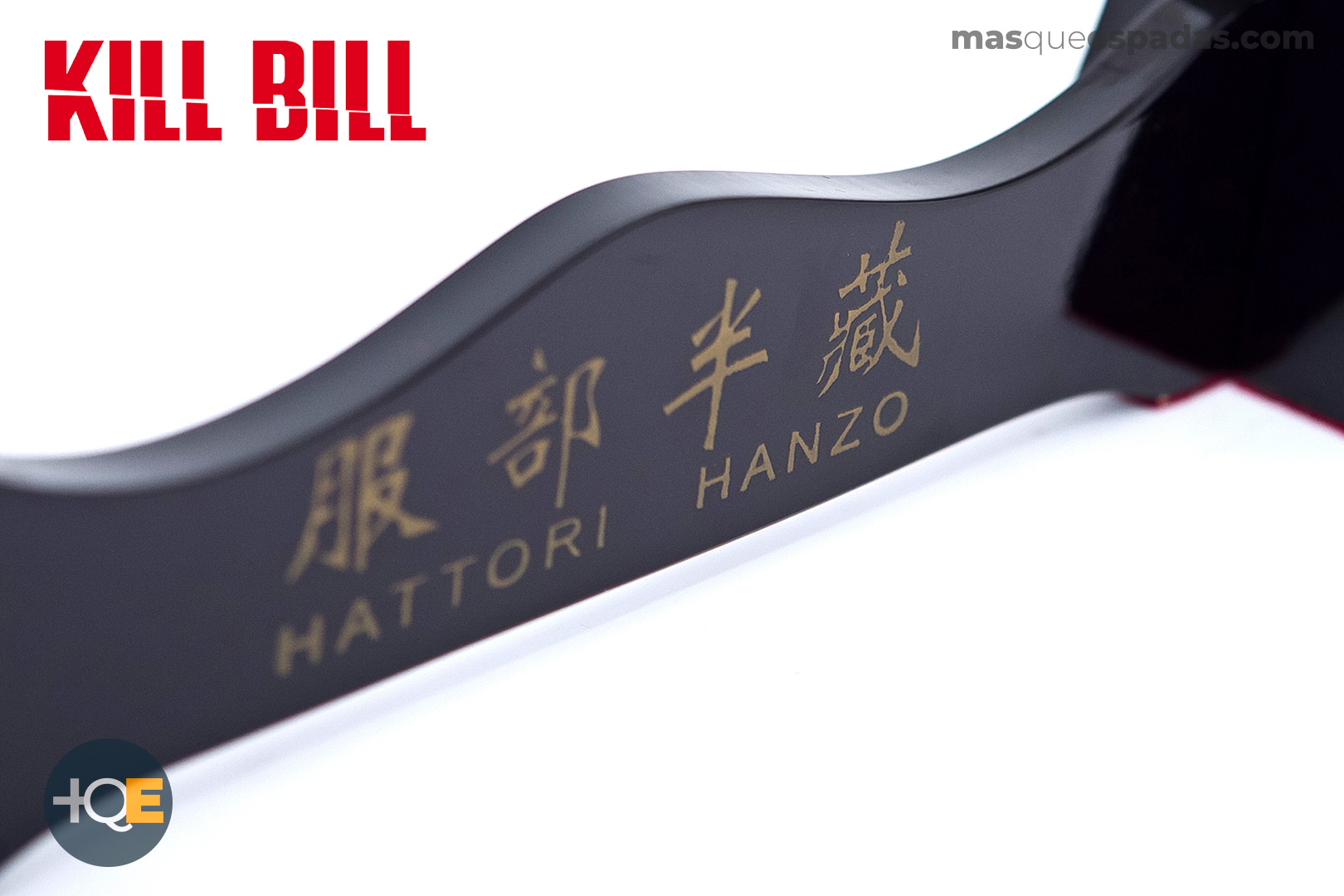
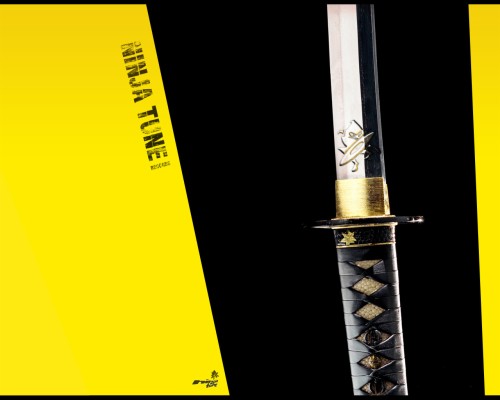
The quintessential Hattori Hanzo chopper is the katana—a blade so refined it seems to hum with the echoes of its own legend. Forged from tamahagane steel, folded a thousand times to achieve a razor’s edge, this sword is a masterpiece of metallurgy and martial philosophy. The curve of its spine is not merely aesthetic; it is a whisper of the samurai’s gait, a promise of swift, decisive motion. The hamon—a ghostly temper line—ripples along the blade like the breath of a dragon, marking it as a weapon touched by the divine. When sunlight catches its surface, it does not merely reflect; it *burns*, casting a blade of fire upon the earth. This is the sword that Beatrix Kiddo reclaims from the depths of her past, a symbol of her rebirth as the Bride, a woman who has clawed her way back from the brink of death to reclaim what was stolen. To hold this chopper is to feel the weight of a thousand battles, the resolve of a woman who has stared into the abyss and refused to blink.
The Whispering Steel: The Wakizashi Companion
No samurai is complete without a companion, and the Hattori Hanzo collection includes the wakizashi—a shorter blade, its presence as vital as the katana’s. While the katana is the storm, the wakizashi is the calm before it, a weapon of precision and restraint. Its shorter length belies its lethality; it is the dagger of a shadow, the blade that slips between ribs with surgical grace. In Kill Bill, it is the tool of O-Ren Ishii’s Crazy 88, a weapon that dances between elegance and brutality. The wakizashi’s grip is a study in balance, its edge honed to a point where it could bisect a raindrop. To wield it is to understand the samurai’s duality: the katana for the battlefield, the wakizashi for the intimate kill, the coup de grâce delivered with the quiet dignity of a warrior who knows the cost of bloodshed.
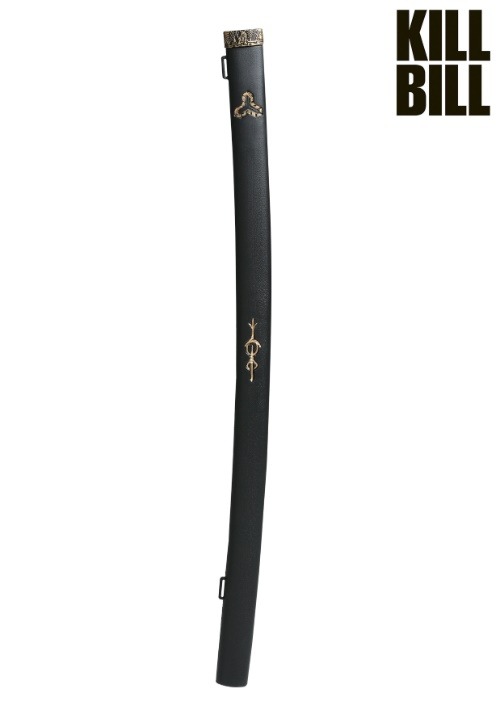
The Phantom’s Edge: The Replica Choppers of Collectors
For those who cannot forge a blade in the fires of Hattori Hanzo’s forge, replicas offer a taste of the myth. These choppers are not mere facsimiles; they are *incantations* in steel, each one a labor of love by artisans who understand that a sword is more than metal and edge. The best replicas capture the soul of the original, from the subtle curvature of the spine to the ghostly hamon that seems to shift in the light. Collectors prize them not just for their craftsmanship but for the stories they carry—the thrill of a duel, the weight of a warrior’s oath, the unspoken promise of vengeance. These are weapons for the modern ronin, men and women who wield them in the quiet of their homes, feeling the phantom weight of a past they never lived. They are talismans, reminders that the spirit of the samurai is not confined to the pages of history but lives on in the hands of those who dare to dream.

The Dance of Death: The Choppers in Action
To see the Hattori Hanzo choppers in motion is to witness a ballet of violence, a choreography of death that is as mesmerizing as it is terrifying. The katana’s arc is a crescent moon slicing the night, its edge a whisper of doom. The wakizashi darts like a viper, striking with the precision of a surgeon’s scalpel. Together, they are a symphony of destruction, a testament to the samurai’s creed: *kill or be killed*. In the House of Blue Leaves, in the blood-soaked halls of the Crazy 88, these blades do not merely cut—they *sing*. Each strike is a note in a dirge, each parry a staccato beat in the rhythm of battle. The choppers are not tools; they are extensions of their wielders’ souls, instruments of a vengeance that is as beautiful as it is brutal. To watch them in action is to understand why samurai swords are revered not just as weapons but as works of art, as living history.
The Legacy of the Blade: Why These Choppers Endure
The Hattori Hanzo choppers endure because they are more than steel and edge; they are *myth*. They carry the weight of history, the fire of vengeance, the elegance of a warrior’s code. They are symbols of a time when swords were not just tools but extensions of the self, when a man’s honor was measured in the sharpness of his blade and the steadiness of his hand. In a world of guns and digital warfare, these choppers remind us of a time when violence was an art, when every cut was a masterpiece. They are the last gasp of the samurai spirit in a modern age, a bridge between the feudal past and the cinematic present. To hold one is to touch the past, to feel the ghost of Hattori Hanzo himself, a master who forged not just swords but legends. These choppers are not relics. They are living, breathing entities, as vital today as they were in the 16th century. They are the reason we still tell stories of the samurai, the reason we still dream of blades that sing in the dark.