The 1978 Honda Express NC50 stands as an enduring icon of compact motorcycling, embodying an era when simplicity met efficiency in a fusion of engineering brilliance and youthful freedom. This tiny two-wheeler, often revered as a moped or motorized bicycle, transcends its modest specifications, sparking a wave of nostalgia that reverberates through generations. For enthusiasts, collectors, and nostalgics alike, the NC50 is more than a machine; it is a portal to the spirited culture of the late 1970s, and a testament to Honda’s innovative approach to urban mobility.
At first glance, the Honda Express NC50 might strike observers as unassuming, even diminutive. Yet beneath its petite frame lies a thoughtfully engineered powertrain that delivers reliable, economical performance. The NC50 features a 49cc two-stroke engine, providing just enough punch to cruise urban streets at a leisurely pace. This engine, coupled with a simple automatic transmission, makes it exceptionally accessible for beginners and casual riders. The absence of a conventional clutch simplifies operation, allowing riders to focus on the joy of gliding rather than the intricacies of gear shifting. This design philosophy underscores Honda’s commitment to creating a practical urban commuter that anyone could master.
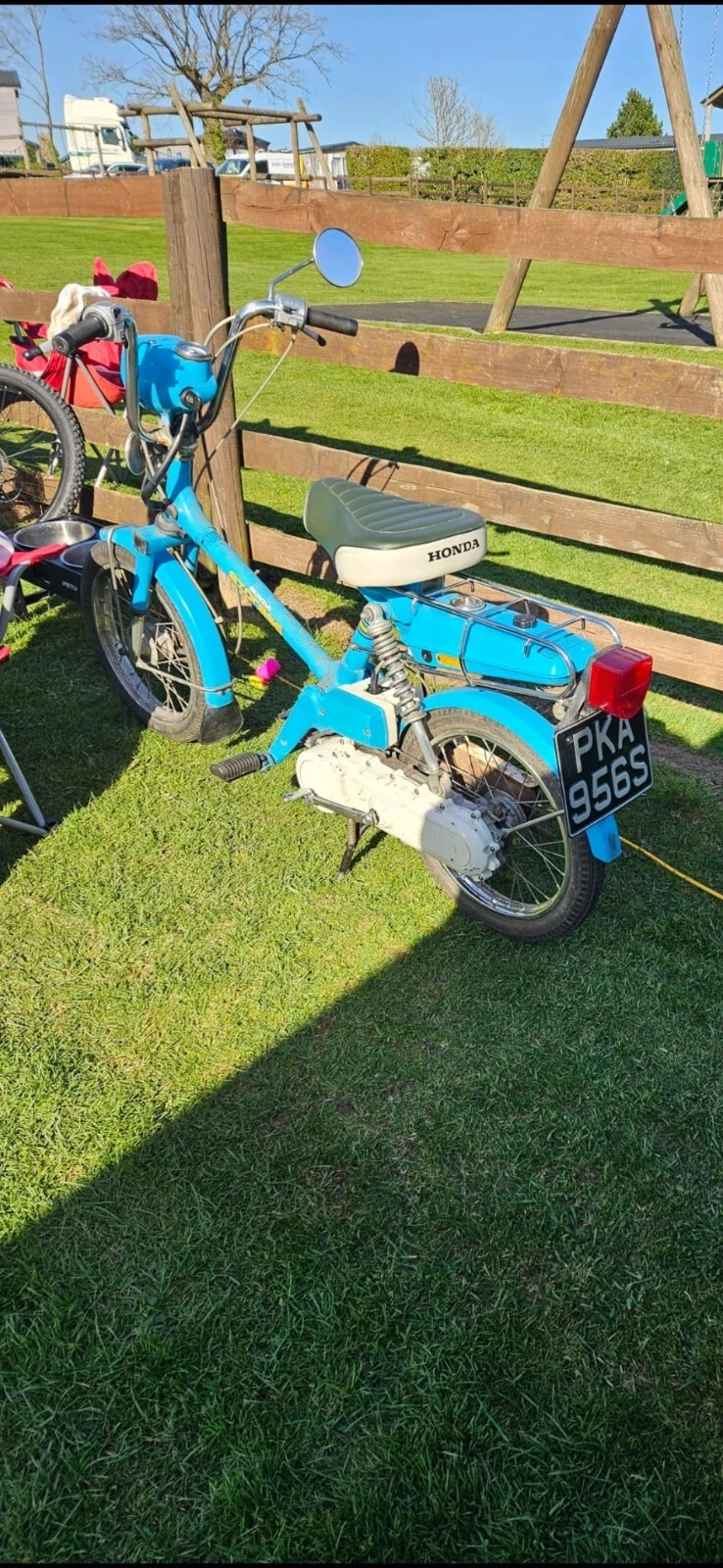
Navigating the physical characteristics of the 1978 Honda Express reveals a balanced composition of form and function. Its lightweight chassis, typically tipping the scales at just under 150 pounds, ensures agility and nimbleness, prized qualities in congested city environments. The bicycle-influenced frame, complete with a high-rise handlebar reminiscent of cruiser motorcycles, offers comfortable ergonomics without sacrificing maneuverability. The surprisingly robust suspension system provides a forgiving ride over imperfect roads, complementing the bike’s role as a dependable daily companion.
The NC50’s aesthetic is equally noteworthy, reflecting the design sensibilities of the late 1970s while retaining a timeless appeal. Its minimalist bodywork and compact contours belie a character that is both charming and functional. The integrated fenders and modestly sized wheels confer a distinctive silhouette, while the broad seat accommodates riders with surprising comfort. Color schemes from the era tend to reflect vibrant, youthful palettes, further enhancing its appeal as a symbol of carefree exploration. Each bike carries whispers of cultural history, from weekend jaunts to early lessons in motorcycling independence.
What truly elevates the 1978 Honda Express NC50 in the hearts of enthusiasts is its role in fostering a unique lifestyle and community. This bike was more than transportation; it was a gateway to freedom for teenagers and urban commuters during a time when portability and fuel efficiency were paramount. The NC50 inspired a generation of riders to take to the streets with modest means but maximal enthusiasm. Today, this sentiment thrives within vibrant collector communities, where models are meticulously restored and cherished as artifacts of a bygone era. Forums and clubs dedicated to the NC50 bustle with advice, restoration tips, and stories that celebrate its enduring legacy.
Beyond the mechanics and nostalgia lies a broader cultural significance. The Honda Express NC50 encapsulated a pivotal moment in motorcycle history—an era when manufacturers pursued innovation not through brute force but through smart, efficient engineering. The NC50’s quiet operation and low maintenance requirements anticipated growing urban environmental consciousness, predating modern trends toward sustainable transportation. Moreover, its influence can be traced to contemporary motorized bicycles and scooters that echo its spirit of practicality and accessibility.
Technological insights surrounding the NC50 shed light on why it maintained popularity well beyond its production years. The air-cooled, single-cylinder two-stroke engine operates on a blend of simplicity and resilience, requiring minimal upkeep while offering surprisingly spirited performance for its size. The belt-driven automatic transmission minimizes wear and enhances reliability, traits that appeal to novice riders and seasoned restorers alike. Many models also included optional accessories—such as luggage racks and windshields—that expanded their utility without compromising the bike’s compact advantages.
Exploration of the NC50’s practical applications unearths its versatility in various urban scenarios. Its diminutive size facilitates effortless parking and maneuvering through tight spaces, making it an ideal choice for congested metropolitan areas. The bike’s fuel economy, often exceeding 100 miles per gallon, positions it as an economical alternative to cars for short-distance travel. Additionally, its lightweight build supports easy transport and storage, qualities still valued by those seeking minimalist, efficient transportation today.
Collectors and restorers often delve into a wealth of hard-to-find parts, maintenance manuals, and historical documentation to revive these machines to their former glory. The NC50’s straightforward mechanical layout ensures that even hobbyists without extensive experience can undertake restoration projects with patience and dedication. Authenticity holds great prestige in this realm, and original parts or period-correct replacements can significantly augment a bike’s value. For many, the process of restoring an NC50 is as rewarding as riding it, a journey into the heart of motorcycling heritage.
Contemporary appreciation for the 1978 Honda Express NC50 extends into cultural expressions such as vintage bike shows, photo essays, and retrospectives. Its presence on display often triggers storytelling and reminiscing, linking diverse generations through shared memories of first rides and youthful independence. Through these gatherings, the NC50’s legacy is preserved and disseminated, inspiring new enthusiasts to discover this diminutive marvel for themselves.
In closing, the 1978 Honda Express NC50 embodies much more than its technical specifications suggest. This tiny bike channels a profound spirit of ingenuity, freedom, and community that continues to captivate decades after its introduction. Whether viewed as a practical commuter, a piece of engineering history, or a cherished collectible, the NC50 invites a celebration of modesty that is anything but small in impact. Its enduring charm and functionality remind us that sometimes, the smallest packages carry the most potent nostalgia.