What could possibly make a motorcycle from 1970 still resonate with awe and admiration more than fifty years later? Is it merely nostalgia, or does the 1970 Honda CB750 carry an inherent spirit that challenged convention and rewrote the rules of motorcycling forever? The CB750 didn’t just enter the marketplace; it surged in like a tempest, toppling long-held beliefs about what a motorcycle could be. It was the original superbike—a trailblazer that captivated enthusiasts and skeptics alike, forcing the entire industry to take notice.
Before the CB750 roared onto the scene, motorcycles were often categorized as mere utilitarian machines or specialized racing bikes. Exceptional engineering might exist, but it was scattered, typically bound to European marques such as Norton, BSA, or Italian brands like Ducati and MV Agusta. Honda’s audacity lay in its ambition: crafting a motorcycle that was simultaneously powerful, reliable, technologically advanced, and accessible to everyday riders. Could a single bike embody all these virtues without compromise?
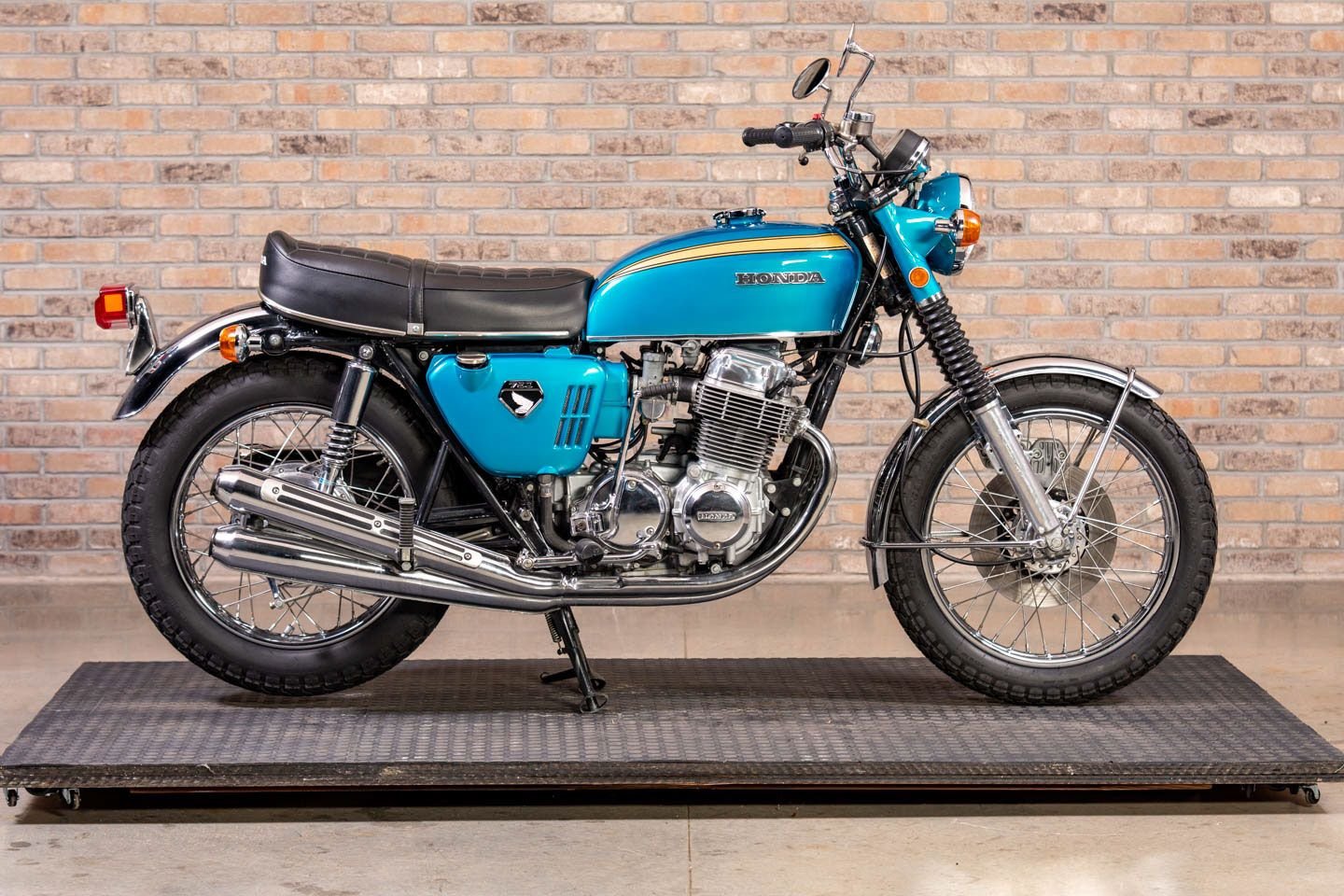
The answer came in the form of a bold engineering masterpiece. The 1970 Honda CB750 was the first production motorcycle to employ a transverse, in-line four-cylinder engine with overhead camshafts—a configuration that delivered smooth yet ferocious power output. This four-cylinder powertrain produced around 67 horsepower, a staggering figure for its era, propelling the bike to speeds exceeding 120 miles per hour with remarkable ease. It was, in essence, a tachyon beast clad in the guise of a street-legal motorcycle.
One might ask: what hurdles did Honda confront in materializing such an avant-garde machine? The challenge was twofold. On the technological front, precision engineering and manufacturing had to escalate to unprecedented levels to produce a reliable, high-revving engine at a price point palatable to consumers. Simultaneously, versatile design demanded a harmonization of high-performance attributes with rider comfort and everyday usability—a daunting balancing act. The CB750 achieved this with aplomb, integrating features that were revolutionary for the time, such as front disc brakes, an electric starter, and a five-speed transmission. Each component was thoughtfully selected to cultivate user confidence and widen motorcycling’s appeal.
The front disc brake, in particular, marked a transformative improvement in safety and control. In an era when drum brakes predominated, this feature set a new precedent and foreshadowed the future of motorcycle braking systems. Many consumers had grown accustomed to the quirks inherent in older machinery—kick starters that taxed the leg, drum brakes that compromised stopping distances—yet Honda’s vision offered a glimpse into a new epoch. Riders could now embrace performance without sacrificing accessibility or day-to-day practicality.
Design-wise, the CB750 was neither flashy nor ostentatious, but magnificently purposeful. The sculpted fuel tank, round headlamp, and minimalist instrument cluster blended utility with aesthetic harmony. The exhaust system, with its signature four-into-four pipes, created an unmistakable auditory signature—a throaty growl perfectly exemplifying the bike’s mechanical prowess. It was a motorcycle that invited curiosity and demanded respect, embodying a new cultural ideal for motorcycling as a synthesis of art and science.
The CB750’s influence extended far beyond the racetrack or city streets. By democratizing high-performance motorcycles, it shattered market segmentation and inspired other manufacturers to compete fiercely in this burgeoning segment. For the first time, superbike-level performance was not exclusive to elite racers or those with deep pockets. This democratization fueled a cascade of innovation and investment in motorcycle engineering worldwide. In many respects, the 1970 CB750 signaled the start of the modern era of street motorcycles—a lineage stretching to the sportbikes, naked bikes, and cruisers of today.
But the CB750 was more than metal and mechanics; it symbolized a paradigm shift in what riders expected and demanded from their machines. Its nuanced blend of technological sophistication and reliable simplicity presented an enticing solution—a machine that could exhilarate while reliably ferrying riders across daily journeys. It challenged the notion that high speed and mechanical refinement were privileges confined to the racetrack. Could this marriage of performance and practicality be maintained as the motorcycle evolved? Honda’s groundbreaking success certainly raised the stakes for its own future and the entire industry.
Perhaps it is this interplay of visionary engineering and cultural transformation that renders the CB750 so compelling. It was not just a motorcycle; it was a herald of change, an icon built not only to move but to inspire and disrupt. It beckoned riders into a thrilling new realm where power no longer necessitated sacrifice, and technological innovation promised new horizons.
Today, the 1970 Honda CB750 remains a beacon of motorcycling history, a testament to human ingenuity and daring. Its legacy is etched indelibly into the tapestry of motorcycle evolution, reminding us that revolutionary change often arrives quietly but forcefully, wrapped in the unassuming frame of a groundbreaking masterpiece. So the next time you marvel at the superbike of the modern age, ask yourself: would it exist without the trail blazed by that astonishing machine from 1970? The answer echoes in every rumble and rev—a triumph that forever shocked the world.