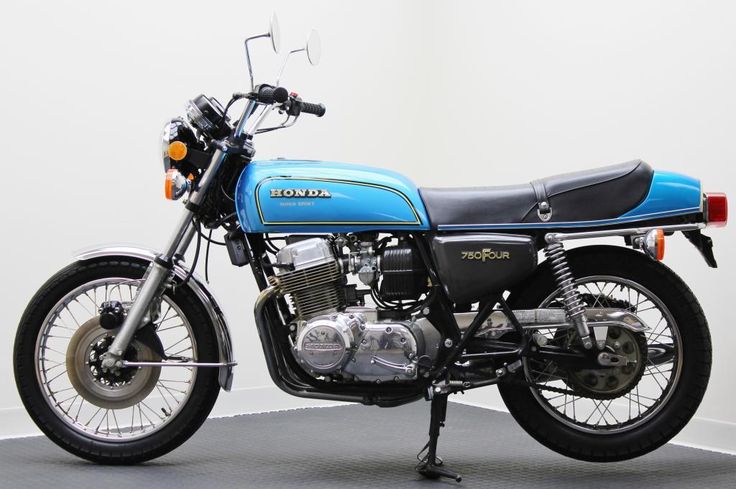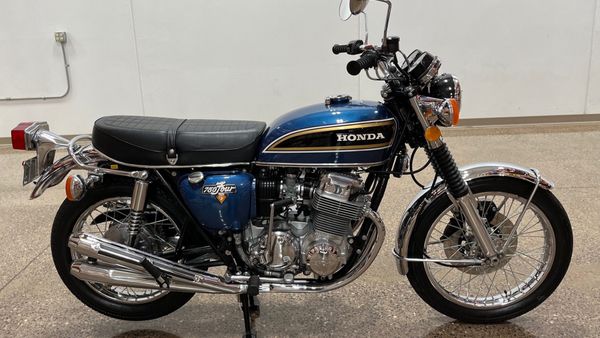
In the realm of vintage motorcycles, few names ignite as much reverence as the Honda CB750. Revered as a pioneer that redefined motorcycling in the 1970s, the 1975 Honda CB750 remains a nexus of nostalgia, engineering brilliance, and timeless design. But as the gusts of modern technology whip past, one cannot help but wonder—does this classic beast still hold its ground as a worthy acquisition in today’s dynamic motorcycling culture? The answer is a woven tapestry of heritage, performance, and evolving rider expectations.
The 1975 Honda CB750 encapsulates a pivotal moment in motorcycle history. It was an era when lightweight, powerful, and reliable machines began to trend toward the mainstream, appealing to a broad demographic beyond the racing enthusiasts and weekend thrill-seekers. Featuring a robust 736cc transverse inline four-cylinder engine, the CB750 was nothing short of a marvel in its time. Capable of producing 67 horsepower, it effortlessly blurred the lines between power and practicality. It was one of the first motorcycles to incorporate a front disc brake, a feature that was revolutionary and underscored Honda’s commitment to safety and performance innovation.
This model revolutionized motorcycling by delivering a blend of performance, reliability, and accessibility that democratized the experience. Prior to the CB750’s advent, high-performance motorcycles were often temperamental and complicated for the average rider to maintain. The 1975 Honda CB750 shattered these paradigms with its relatively low-maintenance engine and an architecture that enthusiasts and mechanics alike found straightforward. This facilitated an unprecedented level of customization and care, cementing its status not only as a machine but as a canvas for personalization and expression.
However, appreciating the 1975 Honda CB750 requires more than a cursory glance at specs and nostalgia. It demands a nuanced understanding of both its merits and the limitations it carries into the modern epoch. For those contemplating its acquisition today, the question is: can the CB750 satisfy contemporary needs without succumbing to obsolescence?
Firstly, the emotional allure of owning a piece of motorcycling heritage cannot be overstated. The CB750 is emblematic of the golden age of mechanical simplicity combined with engineering flair. Its air-cooled engine produces a distinct auditory signature—a throaty growl punctuated by a rhythmic cadence that modern liquid-cooled, fuel-injected motorcycles cannot replicate. For the connoisseur of vintage soundscapes and mechanical intimacy, this feature alone justifies serious consideration.
Yet, practical attributes also come into play. The riding dynamics of the CB750, characterized by its upright ergonomics and tactile feedback, invite a connection between rider and machine rarely matched by newer motorcycles. The suspension and frame design foster an engaging, albeit less cushioned, ride. For daily commuting or casual weekend jaunts, it offers a sense of involvement and mechanical awareness that many modern machines, with their electronic aids and plush suspensions, tend to dilute.
Despite these virtues, prospective buyers must also acknowledge the evolutionary leaps in technology that have unfolded since 1975. Contemporary motorcycles boast fuel injection systems, modern braking setups with ABS, advanced suspension components, and enhanced rider safety electronics. These systems not only augment performance but significantly improve overall safety and reliability. The CB750’s carbureted engine and drum brakes on the rear, while marvels of their time, demand greater attentiveness and mechanical knowledge to operate safely and efficiently in today’s traffic conditions.
Maintenance is a double-edged sword for the CB750. Its mechanical simplicity is a boon for those who relish hands-on involvement. Parts remain relatively available thanks to Honda’s enduring legacy and the motorcycle’s iconic status. However, sourcing certain rare original components or navigating vintage wiring can pose challenges that necessitate patience and a degree of mechanical aptitude. Moreover, the fuel economy and emissions profiles of the CB750 pale in comparison to modern standards, potentially limiting its appeal for riders practicing environmental conscientiousness or stringent regulation compliance in urban settings.
From an investment standpoint, the 1975 Honda CB750 carries an intriguing proposition. The model has consistently accrued esteem among collectors and enthusiasts, with values often appreciating in pristine or well-restored condition. Owning a CB750 is not merely about riding; it is about stewarding a living artifact of motorcycling’s transformative past. This dynamic imbues the motorcycle with a cultural and emotional worth that transcends its utilitarian function.
Nonetheless, this potential investment should be tempered by realism. The condition of any vintage motorcycle is paramount. A poorly maintained or heavily modified CB750 may require extensive restoration, eroding both its monetary and experiential value. Conversely, a meticulously preserved or sympathetically restored example offers a seamless bridge between the past and the present, ensuring the rider can immerse themselves in a ride that feels authentic, rewarding, and uniquely personal.
In conclusion, the 1975 Honda CB750 stands as more than just a classic motorcycle; it is a testament to a revolutionary era. Its distinctive marriage of pioneering design, performance, and accessibility invites riders and collectors to reconsider the value of mechanical purity amid the onslaught of modern technological advancements. For those willing to embrace its quirks and invest in its upkeep, the CB750 offers a riding experience dense with character and history. However, prospective owners must weigh their expectations, maintenance willingness, and usage intent carefully. If embraced with knowledge and reverence, the 1975 Honda CB750 remains unequivocally worth buying—an endearing classic that promises not simply a ride, but a dialogue across decades of motorcycling evolution.