In the grand tapestry of motorcycling history, few machines shimmer with the luster and legacy of the 1975 Honda CB750 Super Sport. This iconic motorcycle is not merely a mode of transportation but a time capsule etched with innovation, style, and the unyielding spirit of the 1970s motorcycle renaissance. To consider whether the CB750 Super Sport is still worth buying today is to embark on a journey that traverses the crossroads of mechanical artistry and nostalgic allure.
The 1975 Honda CB750 Super Sport rides into view as a mechanical phoenix, resurrected from an era when motorcycles began evolving from utilitarian machines into expressions of identity and freedom. Often heralded as the world’s first “superbike,” it combined a blend of performance, reliability, and accessible engineering that was revolutionary for its time. The CB750 was equipped with a liquid-cooled, inline-four engine—a novel approach that set it apart from its contemporaries. Unlike the single and twin-cylinder bikes that dominated the roads, the CB750’s four-cylinder layout delivered a symphony of smooth power and mechanical precision, akin to the harmonious crescendo of a finely tuned orchestra.
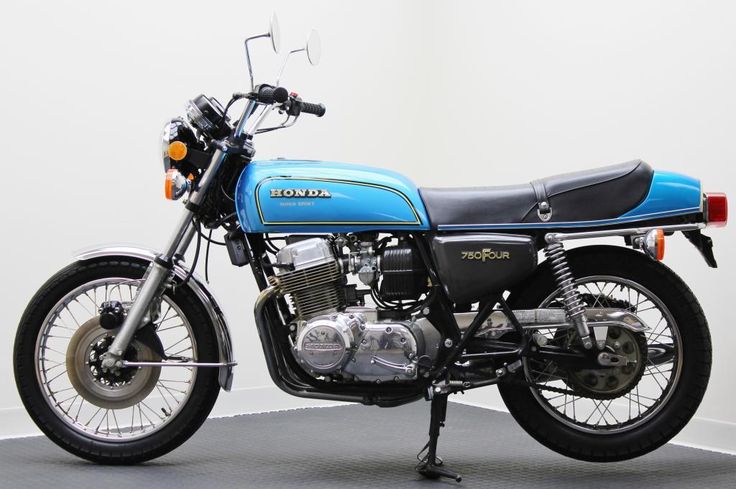
One of the unique appeals of the CB750 lies in its embodiment of the perfect paradox: it is both a relic of the past and a vibrant participant in the present. Its design showcases a graceful alchemy of form and function, with a teardrop fuel tank, spoked wheels, and a chrome-laden exhaust system that evokes the raw elegance of vintage craftsmanship. However, beneath this classic visage is a motorcycle whose engineering was far ahead of many peers of its class, featuring an overhead camshaft, disc front brake (a rarity then), and an electric starter. These attributes ushered the CB750 into a class of its own, rendering it an early harbinger of modern motorcycling standards.
But is this 1975 marvel still worth buying today? The answer is not straightforward and depends largely on what one values in a motorcycle. For the collector, the CB750 is akin to a rare gem—scarce, historical, and laden with trophy-like prestige. Its air-cooled inline-four engine, distinct in its mechanical cadence, resonates with a visceral, almost enchanting rhythm that modern bikes often lack. Owning a CB750 is less about sheer speed or cutting-edge technology and more about embracing the tactile joy of raw, analog motorcycling.
From a practical standpoint, however, the CB750 Super Sport does come with nuances that modern enthusiasts should consider. While it boasts remarkable engineering for the 1970s, technological advancements in motorcycle design have since eclipsed many of its features. The suspension, braking system, and ergonomics do not match the sophistication or safety standards of today’s sportbikes. Maintenance is another crucial factor—the CB750’s mechanical complexity necessitates regular upkeep, including carburetor balancing and valve adjustments, tasks that require a certain degree of mechanical aptitude or reliance on specialists knowledgeable in vintage machinery.
Yet, therein lies part of its charm: owning a 1975 CB750 is like stepping into a mechanical dialogue with a bygone era, where the rider is an active participant in the machine’s symphony rather than a mere passenger. This tactile intimacy fosters a relationship rare in the age of electronic aids and computer-controlled performance. It represents a potent antidote to the sanitized, efficient commuter bikes crowding today’s streets, offering instead a robust, gritty experience that challenges and rewards in equal measure.
Moreover, the motorcycle enthusiast community continues to sustain a vibrant ecosystem around the CB750 Super Sport. Clubs, restoration experts, and aftermarket parts suppliers ensure that the lifeblood of this classic continues to pulse robustly. The joy of owning a CB750 often transcends the bike itself, infusing the owner into a social and cultural heritage rife with stories, camaraderie, and reverence for the machine’s pioneering role in motorcycling evolution.
For those enthralled by the allure of vintage motorcycles, the financial and emotional investment required to acquire and maintain a 1975 Honda CB750 Super Sport is often outweighed by the intrinsic and intangible rewards. The classic bike market has seen these machines appreciate in value, rendering them not only a ride but also a potential asset. Beyond economics, the CB750 offers a sensory and visual feast, its soundscape characterized by a distinctive exhaust note that is almost musical in its pulse, anchoring the rider in the moment with every twist of the throttle.
In contrast to contemporary sportbikes that prioritize aerodynamic efficiency and peak horsepower, the CB750’s appeal lies in its soulful charm and historical significance. It evokes a romantic era when motorcycling was as much about the journey as it was about the destination. It invites its rider to slow down, savor the mechanical poetry, and revel in the tactile feedback of a machine that demands respect and attentiveness.
Ultimately, the decision to purchase a 1975 Honda CB750 Super Sport today hinges on one’s personal affinity for classic motorcycles and the lifestyle they represent. It is not the motorcycle for the casual rider or the daily commuter seeking convenience and cutting-edge performance. Rather, it is a cherished artifact of motorcycling heritage—a rolling testament to innovation, passion, and the timeless thrill of the open road.
In a world dominated by ever-accelerating technology and fleeting trends, the 1975 CB750 stands as a stoic sentinel, reminding us of the enduring beauty found in mechanical simplicity and design purity. For those willing to embrace its quirks and celebrate its legacy, the Honda CB750 Super Sport remains a captivating companion, an emblem of motorcycling’s golden age still resonating powerfully on the modern horizon.