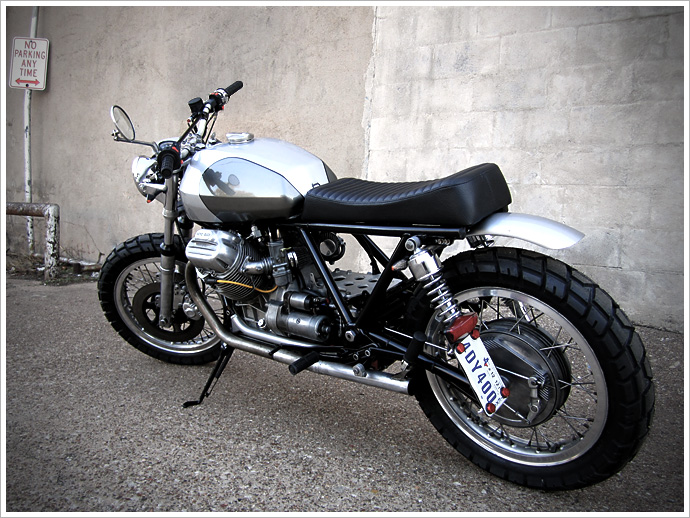
In the pantheon of classic Italian motorcycles, the 1975 Moto Guzzi 850T stands out as a paragon of character, craftsmanship, and cruising comfort. This iconic machine embodies the bold spirit of Italian engineering fused with a robust V-twin heart, delivering a blend of performance and style that continues to captivate enthusiasts and collectors alike. Unlike many contemporaneous motorcycles chasing the pursuit of sheer speed or cutting-edge technology, the 850T embraces a distinctive approach—one that celebrates torque-rich riding, commanding presence, and timeless design nuances.
The Moto Guzzi 850T is often heralded as an Italian cruiser before the genre truly took form in the wider motorcycle industry. With roots tracing back to Moto Guzzi’s pioneering design philosophies, it features a longitudinally mounted 844cc V-twin engine, known for its durability and distinctive thumping exhaust note. This configuration not only sets it apart visually but enhances the motorcycle’s dynamic attributes, offering a unique tactile connection between rider and machine. Unlike the more conventional transverse layouts of many Japanese or British bikes of the era, the longitudinal V-twin facilitated a low center of gravity and a smoother transmission of power directly to the shaft drive—an element that ensures minimal maintenance and longevity.
The aesthetics of the 1975 Moto Guzzi 850T are a meticulous balance of utility and elegance. The bike’s silhouette is defined by broad, muscular fuel tanks adorned with classic Moto Guzzi insignias and complemented by sweeping fenders that lend an air of old-world sophistication. Chrome accents punctuate the machine, catching the light in subtle flashes that accentuate its contours without overwhelming them. Designed with both rider comfort and visual appeal in mind, the 850T’s seat offers generous cushioning and a slightly reclined posture that invites long rides along scenic backroads or bustling boulevards.
Beyond its striking appearance, the Moto Guzzi 850T boasts a thoughtfully engineered chassis. The steel tubular frame is robust, yet nimble, providing a stable platform that can absorb the undulations of uneven pavement without compromising ride quality. Suspension setup combines telescopic front forks with twin rear shocks designed to balance firmness and suppleness, a duality that enhances both handling and rider comfort. Whether negotiating tight urban streets or carving through winding country roads, the bike responds predictably and with a reassuring level of feedback, a testament to Moto Guzzi’s dedication to rideability.
One of the most fascinating aspects of this particular model lies in its drivetrain. The shaft drive, a characteristic feature of Moto Guzzi motorcycles, replaces the more common chain drive, resulting in fewer maintenance requirements and enhanced reliability. This mechanical elegance ensures smoother power delivery and reduces the typical wear-related issues that plague chain-equipped motorcycles. For riders, this translates to increased peace of mind and a machine that is ready to roll whenever the road calls.
The instrumentation of the 1975 Moto Guzzi 850T is deliberately straightforward, blending analog dials with essential readouts to keep the rider informed without distraction. The tachometer and speedometer are prominently positioned for easy visibility during spirited riding or relaxed cruising. Minimalist yet functional, the cockpit reflects an era when motorcycles were mechanical marvels demanding rider engagement rather than electronic delegation. This simplicity extends to the control switches and handlebars, which are ergonomically designed to fit naturally in the rider’s hands, facilitating intuitive control.
Performance-wise, the 850T does not seek to dominate through sheer horsepower but rather through accessible torque and a smooth power curve. Producing approximately 65 horsepower, the engine excels in mid-range pull, delivering a satisfying surge of acceleration without drama. This finesse suits the cruiser ethos perfectly, enabling riders to effortlessly glide through city traffic or stretch their legs on highways with confidence. The motor’s characteristic rumble and the shaft’s muted whir create an aural signature that denotes presence without intrusion, elevating the entire riding experience.
Customization and ease of maintenance further enhance the appeal of the 1975 Moto Guzzi 850T. Its straightforward mechanical design encourages owner involvement, from routine servicing to bespoke modifications. Many riders appreciate the versatility of the bike’s platform, which readily adapts to various aftermarket accessories—from leather saddlebags and windscreens to upgraded exhausts and suspension components. This adaptability ensures that each 850T can reflect the individual personality of its rider, fostering a deep connection rarely found with more mass-produced motorcycles.
While it is a cruiser at heart, the Moto Guzzi 850T is also imbued with a sense of heritage and exclusivity. Moto Guzzi’s long-standing reputation as a maker of pioneering motorcycles is woven into every thread and rivet of the 850T, offering a tangible link to decades of racing success and engineering innovation. Owning and riding this machine is not merely about transportation; it is an immersive experience in Italian motorcycle culture, steeped in tradition, artistry, and a passion for freedom on two wheels.
In conclusion, the 1975 Moto Guzzi 850T encapsulates the essence of Italian cruising—a harmonious fusion of mechanical ingenuity, aesthetic refinement, and rider-focused design. Its enduring appeal lies in how it balances character and functionality, commanding respect from seasoned motorcyclists and earning admiration from casual observers. Whether viewed as a collector’s treasure, a weekend rider, or a classic cruiser ready to be customized, the 850T continues to represent an era where motorcycles were crafted with soul and purpose. For those drawn to machines with stories to tell and personalities to match, the Moto Guzzi 850T remains a timeless beacon of Italian motorcycle artistry.