The 1979 Honda CB750 has long been a coveted platform among motorcycle enthusiasts, but when transformed into a café racer, it transcends mere transportation to become a statement of style, performance, and individuality. The allure of the CB750 café racer build lies not only in its vintage charm but in its unparalleled potential for modification, where each tweak promises a harmonious balance between heritage and modernity. Exploring the best modifications for the 1979 CB750 café racer reveals a world of possibilities—each change inviting a fresh perspective that challenges conventional norms and ignites curiosity about what vintage motorcycles can truly embody.
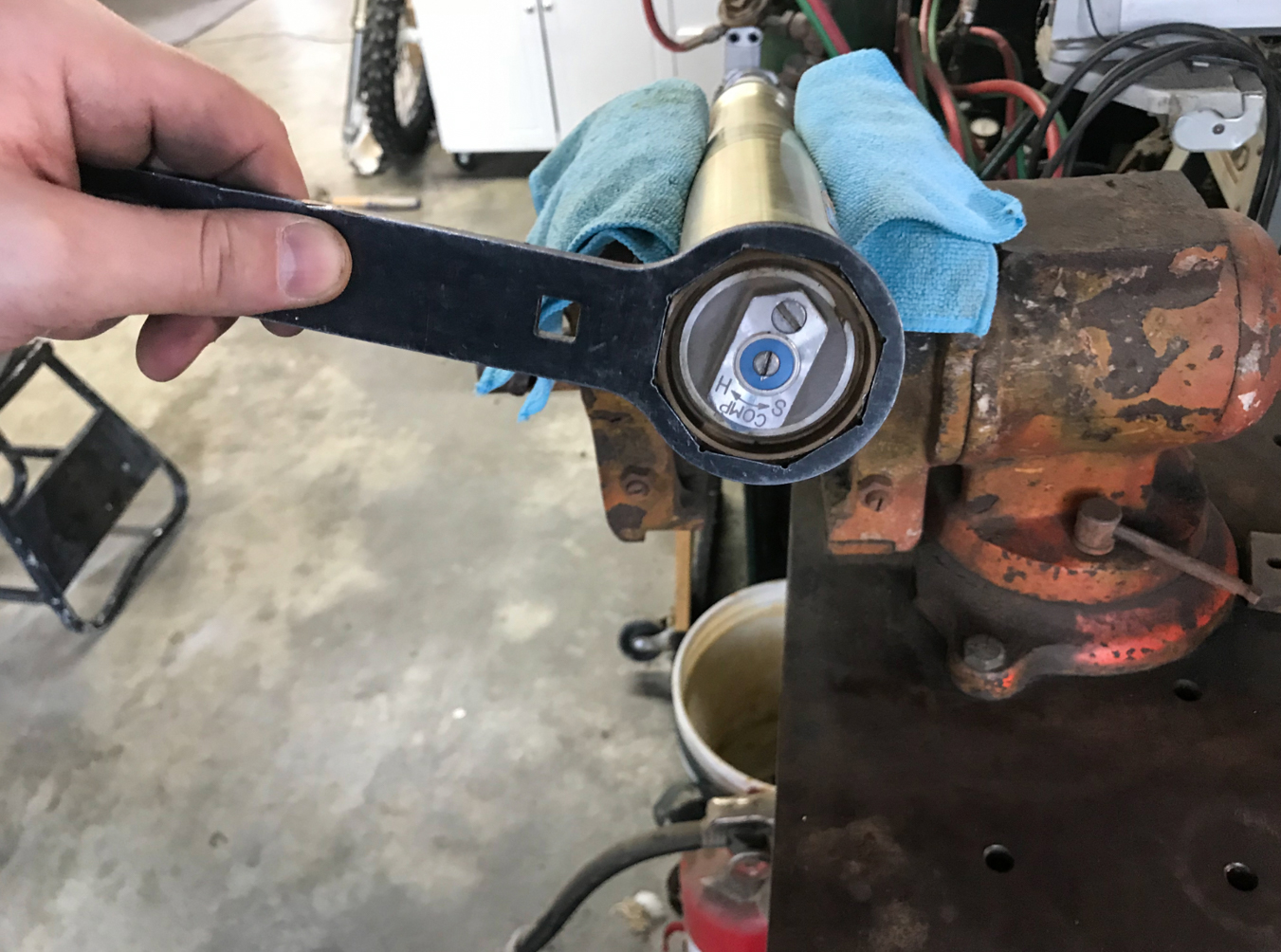
At its core, the 1979 Honda CB750 is a robust machine, boasting an inline four-cylinder engine that was revolutionary in its time. Yet, with the café racer ethos—characterized by stripped-back minimalism, aggressive ergonomics, and an emphasis on speed—the CB750 undergoes a metamorphosis that transforms it into a bespoke creation. The first step in this journey often pivots around the frame and suspension, where agility is paramount. Swapping out bulky stock components for lightweight, precision-engineered alternatives offers an immediate improvement in handling. Upgrading the front forks to modern cartridge-style units enhances damping control, essential for spirited riding. Simultaneously, reworking the rear suspension with adjustable shocks sharpen the ride quality, allowing the bike to adapt to different road conditions with finesse.
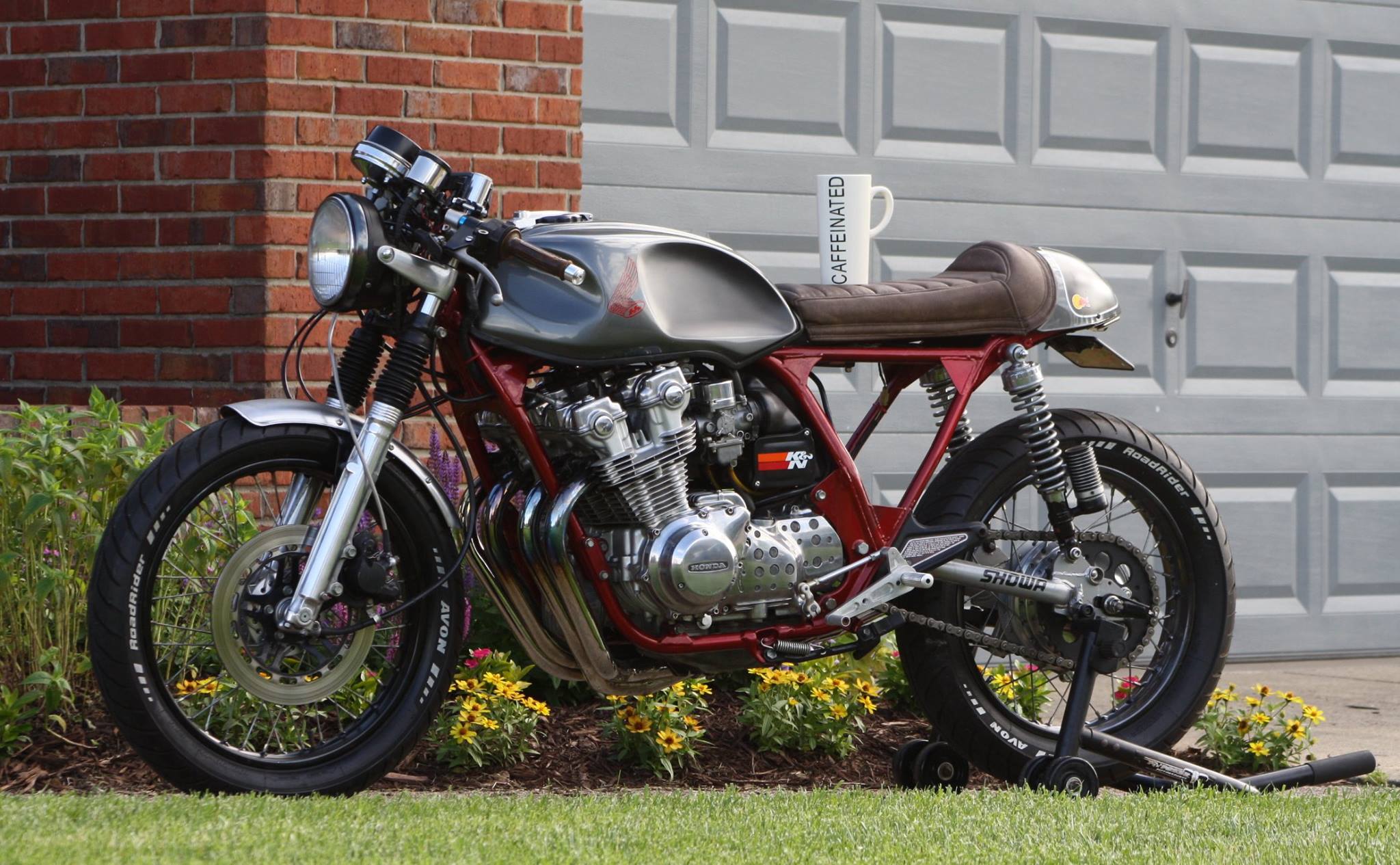
Ergonomics play a defining role in any café racer, and the 1979 CB750’s transformation is certainly no exception. One of the most iconic modifications is the installation of clip-on handlebars, which dramatically reshape the rider’s posture to a more aggressive, forward-leaning stance. This alteration not only cuts aerodynamic drag but also immerses the rider deeper into the experience, fostering a visceral connection with the machine. Complementing this are custom-made café racer seats—sleek, narrow, and often featuring a humpback cowl—that reduce weight and accentuate the bike’s streamlined profile. These seats, while minimalist, are meticulously crafted to provide just enough support during brisk rides, embodying the perfect union between form and function.
The heart of the CB750 café racer lies in its engine, and this is where modifications can elevate performance from vintage reliability to spirited exhilaration. While the stock 750cc engine offers a solid foundation, upgrading the carburetors to larger, polished units increases the engine’s appetite for air and fuel, translating into heightened power output and responsiveness. Performance camshafts replace the originals to refine valve timing, thereby improving combustion efficiency. For those seeking even greater thrills, modern ignition systems replace dated points ignition, ensuring a crisper spark and more consistent firing. Durable high-performance exhaust systems, often crafted from stainless steel or aluminum, further reduce weight and allow for a richer exhaust note that resonates with café racer tradition.
Aesthetic considerations are equally vital in crafting a true café racer. The 1979 CB750’s classic lines offer a canvas for both minimalist and aggressive customization. Many builders opt for a monochrome palette—blacked-out frames, tanks, and wheels—to evoke a sense of stealth and sophistication. Alternatively, polished metal finishes or tasteful use of retro paint schemes can pay homage to classic café racer aesthetics while ensuring the bike stands out unmistakably. The lighting setup too undergoes a thoughtful evolution. Compact LED headlights and taillights replace bulky originals, preserving vintage charm while incorporating modern visibility and efficiency. Details such as bar-end mirrors and custom gauges complete the transformation, exuding a blend of nostalgia and contemporary refinement.
Another often overlooked but transformative aspect lies in the braking system. The original CB750 setup, though adequate for leisurely cruising, can fall short when matched with enhanced engine performance and reduced weight. High-performance disc brakes, paired with braided stainless steel lines and upgraded master cylinders, provide improved stopping power and feedback, essential for the café racer’s quick, nimble temperament. The synergy between muscle and control here elevates both safety and confidence, turning every twist of the throttle into a calculated thrill.
Customization extends beyond function to embrace individuality—every CB750 café racer build evokes a unique narrative. Some riders embrace a raw, industrial look with exposed metalwork and welded details that celebrate craftsmanship and mechanical beauty. Others pursue a polished, high-gloss aesthetic complemented by retro accessories like vintage leather helmets and bespoke riding gear. This diversity underscores the café racer’s philosophy: it’s not merely about speed or style alone but about creating a personal statement—an ode to freedom, creativity, and the road less traveled.
Perhaps the most compelling promise of building a 1979 CB750 café racer lies in its invigoration of perception. What may at first appear as a relic of the past is reborn into a symbol of timeless innovation and passion. It challenges motorcycle builders and riders alike to reconsider the limits of classic machines, inspiring a renaissance where heritage meets cutting-edge refinement. The café racer mod culture invites us to see the CB750 not as an outdated motorcycle, but as a vibrant platform bursting with potential—a blank canvas awaiting bold visionaries willing to push boundaries.
In conclusion, the 1979 Honda CB750 café racer build is much more than a mere restoration or customization—it is a profound exercise in creativity and engineering excellence. From suspension and ergonomics to engine tuning and aesthetics, every modification propels the motorcycle into a new dimension of performance and style, promising an exhilarating marriage of past and present. These best modifications not only elevate the rider’s experience but reignite a passion that transcends the ordinary, offering a timeless journey that beckons all who dare to dream beyond the conventional.