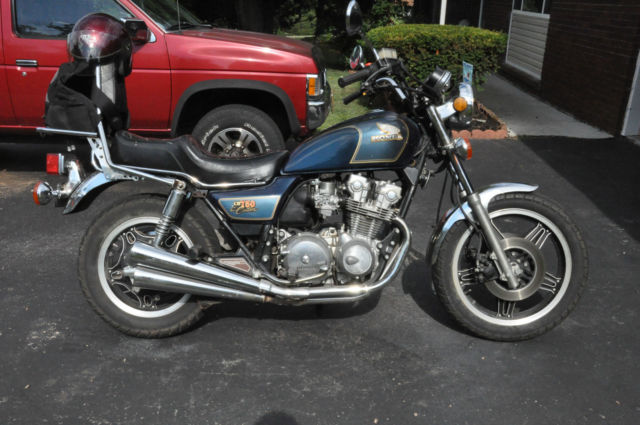
The 1981 Honda CB750 remains emblematic of a golden era in motorcycling, a bridge between raw mechanical prowess and timeless design. Yet, as enthusiasts seek to breathe fresh life into these vintage machines, the debate narrows to two captivating configurations: the Custom and the Café Racer. Each offers a distinct narrative, an alternative reality crafted by purpose and aesthetics. But when faced with these divergent interpretations, which one truly triumphs? This exploration peels back the layers of history, design philosophy, and rider experience to reveal a fresh vantage point that might just shift your perspective.
First, consider the inherent essence of the Honda CB750 itself. Launched in the late 1960s, it was regarded as a renaissance—a four-cylinder fortitude that redefined the middleweight motorbike category. By 1981, the model had matured, adopting subtle improvements while maintaining that robust, reliable character that garnered devotees worldwide. This foundation primes the CB750 as an ideal platform for personalization, a blank canvas for the Custom and Café Racer movements to imprint their identity.
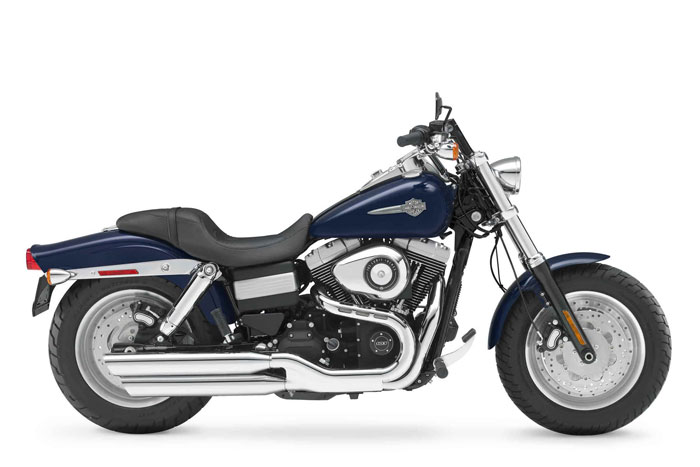
Embarking on the examination of the Custom variant, one is struck by its unrestrained creativity. The 1981 Honda CB750 Custom is far from mere modification—it is a reimagining. Custom builders often emphasize individuality, merging performance enhancements with artful aesthetics. From meticulously sculpted tank reshapes and elaborate paint schemes to reworked exhaust systems that sing with newfound character, these motorcycles present a symphony of innovation and personality. This approach invites the rider not only to own a motorcycle but to possess a statement.
Customization frequently extends to ergonomics, too. The seating position on a Custom CB750 is sculpted for comfort on longer rides, with plush padding and broadened seat widths favoring endurance over whimsy. Handlebars diverge from the factory norm—sometimes pulling wide or adopting ape-hanger styles—to foster a commanding road presence. This practical ingenuity, married with high-performance aftermarket parts such as upgraded carburetors and suspension components, forge a machine that is as capable on the streets as it is captivating in the garage.
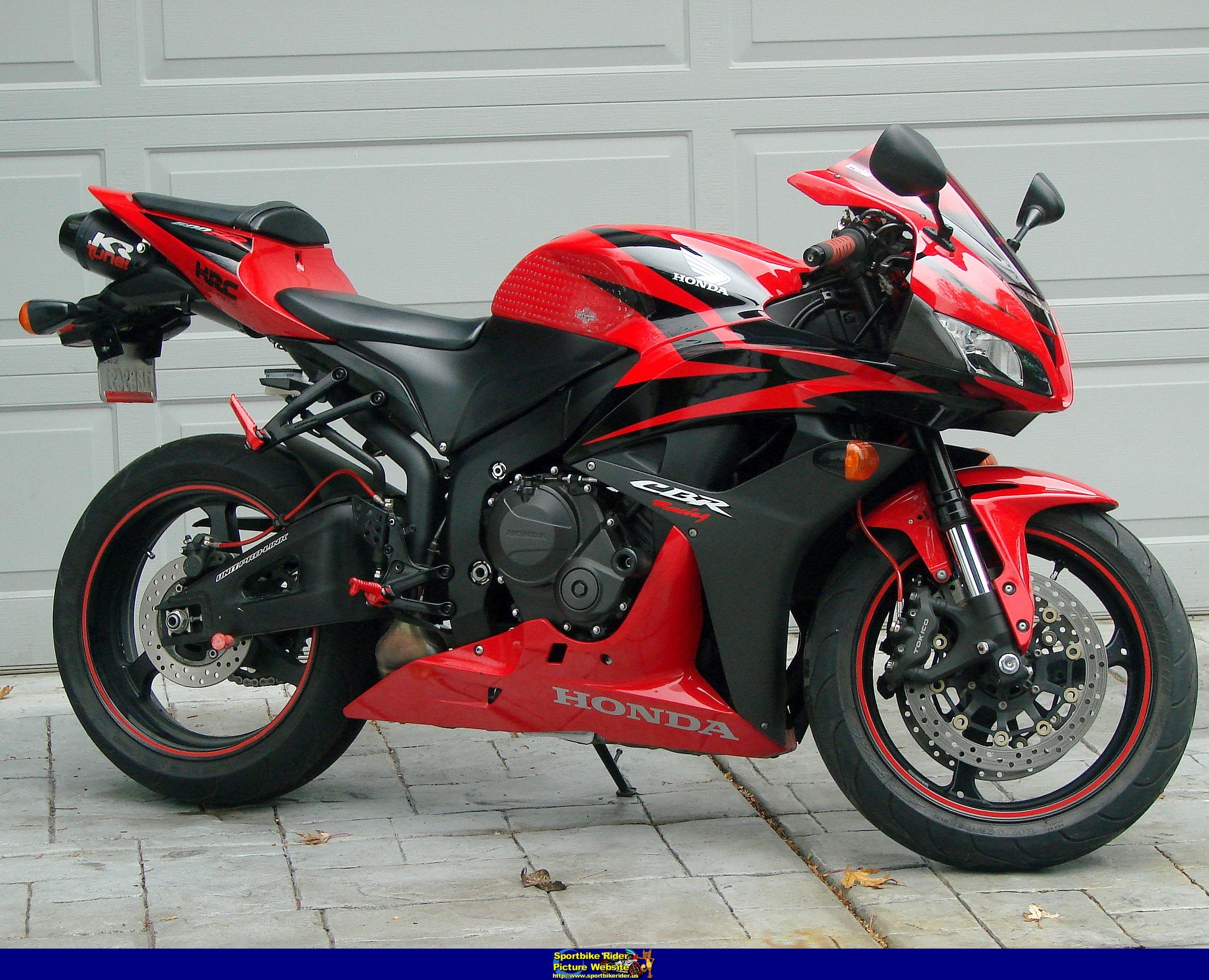
Conversely, the Café Racer aesthetic pivots toward minimalism and speed, rooting itself in the rebellious spirit of 1960s British motorcycle culture. The Café Racer manifestation of the 1981 CB750 demands a different mindset. It strips away excess, honing every element to serve the pursuit of velocity and agility. The hallmark features immediately telegraphed are low-profile, elongated fuel tanks that draw the eye along a sleek silhouette, paired with clip-on handlebars and rear-set foot controls to enforce a forward-leaning, aggressive riding posture.
This transformation isn’t purely cosmetic; it redefines how the bike interacts with its rider and environment. The Café Racer’s aggressive ergonomics may sacrifice comfort, but they reward with heightened control and a visceral connection to the machine. Performance enhancements mirror this philosophy—lightweight components replace stock parts, braking systems are often upgraded, and suspension tweaked for optimal handling at speed. The exhaust note, too, is typically liberated to accentuate the rebellious growl intrinsic to the Café motif.
From the vantage point of design philosophy, the dichotomy between Custom and Café Racer is almost dialectical. Where Custom embraces flamboyance, personalization, and versatility, the Café Racer remains austere, revealing as much through the spaces it leaves open as the parts it adorns. The former encourages a tactile relationship—an intimate dialogue between rider, machine, and artistic intent—while the latter demands mastery and respect, focusing acutely on performance and streamlined aesthetics.
Yet, aesthetics tell only a fraction of the story. Practicality weighs heavily on the choice between these iterations. The Custom Honda, with its emphasis on comfort and unique embellishment, may align with riders seeking a blend of nostalgia and modern usability. Its ergonomic flexibility makes it suitable for weekend rides, casual touring, or even showing off at meets without sacrificing a modicum of everyday functionality.
Conversely, the Café Racer’s stripped-back, aggressive stance builds a motorcycle that is far less forgiving. Its reduced comfort and warrior-like posture may alienate some, yet it captivates riders who crave a purist’s engagement with the road. The inherent challenge the Café Racer presents is part of its allure—a coiled tension between risk and exhilaration, an antidote to the homogenization of modern transport.
Underlying the debate also lies the philosophical question of what a motorcycle should represent. Is it a supple chariot for cruising and self-expression, or a streamlined weapon purposed solely for the thrill of speed and control? The 1981 Honda CB750, capable of adept adaptation, confronts this very conundrum when customized as either a Custom or Café Racer. Both variations offer compelling arguments, but their divergent goals naturally appeal to different sensibilities.
Moreover, consider the impression each style leaves on observers and communities. The Custom CB750 might evoke admiration through its craftsmanship and singularity—each bike bearing the unmistakable signature of its builder. It becomes a rolling art piece, inviting conversations about taste, story, and mechanical ingenuity. The Café Racer, however, tends to inspire awe through its purity and historical resonance, often noted for its stripped elegance and the implicit homage to the racing legends that inspired its form.
In moments of reflection, it becomes apparent that the question, “Which one wins?” resists shorthand answers. Instead, it reveals itself as an inquiry into values and desires. The Custom CB750 reigns supreme for individuality and comfort woven into a comprehensive riding experience. The Café Racer commands respect for its unyielding focus on performance, aesthetics, and connection to motorcycling’s rebellious roots.
Ultimately, the 1981 Honda CB750 transcends its era through these transformative avatars, each kindling different facets of motorcycle culture. Whether captivated by the Custom’s artistic latitude or the Café Racer’s relentless pursuit of speed and purity, riders and enthusiasts alike find in this machine a mirror reflecting their own aspirations and dreams. The true victor is the motorcyclist empowered by these options—invited to redefine the legacy of a beloved classic and discover a fresh, exhilarating perspective on what a vintage motorcycle can embody.