Can a motorcycle truly embody the spirit of an era so completely that it transcends its mere mechanical identity and becomes a cultural icon? The 1981 Suzuki GS1100E might just be the answer to that playful conundrum. Renowned for its brute strength, precision engineering, and undeniable charisma, this motorcycle didn’t just navigate the streets—it dominated them.
When the early 1980s rolled in, the motorcycle world was abuzz with innovation, competition, and a relentless quest for speed and reliability. Amidst this landscape emerged the Suzuki GS1100E, a machine that would steadfastly challenge conventions and set new standards. At first glance, it might seem like just another sport bike, but delve deeper, and the layers of complexity and mastery unfold with magnificent clarity.
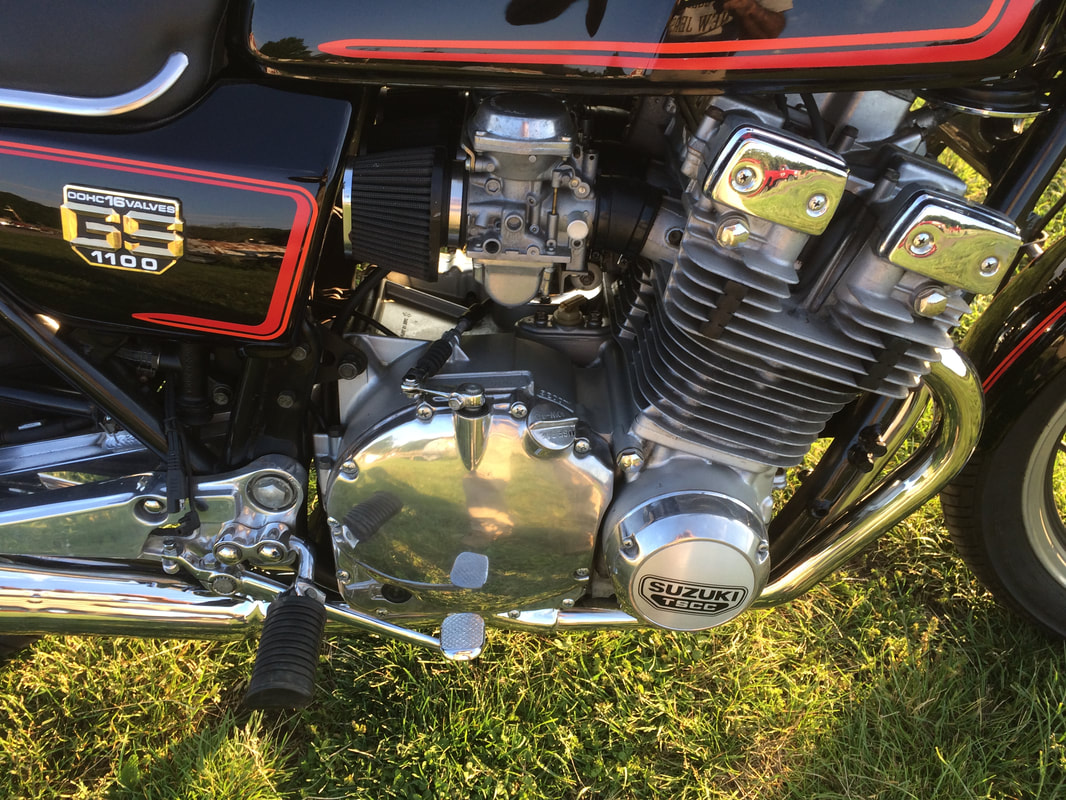
The heart of the GS1100E beats with a 1,107cc air-cooled, four-cylinder engine that offered an intoxicating blend of power and smoothness. With the ability to churn out around 100 horsepower, this engine wasn’t merely about raw numbers; it was about delivering torque in a way that enthusiasts could feel and control. The engine’s design incorporated a SOHC (single overhead camshaft) setup, reflecting Suzuki’s emphasis on reliability while preserving spirited performance. It was this balance that made the GS1100E such a formidable contender on the streets and racetracks alike.
Beyond sheer power, what truly distinguished the GS1100E was its chassis and suspension blueprint. Suzuki employed a double cradle frame, a robust architecture that brought rigidity without excess weight, allowing remarkable handling prowess. At a time when motorcycles were often either powerful but unwieldy or nimble but underpowered, the GS1100E masterfully bridged this divide. The front suspension boasted telescopic forks, and the rear featured twin shocks, working in unison to absorb road irregularities while maintaining a firm grip. Riders could dive into corners with renewed confidence, feeling the bike respond to every subtle input.
The aesthetics of the 1981 Suzuki GS1100E were unapologetically muscular yet elegantly streamlined. Its design spoke of strength but with an aerodynamic sensibility that kept wind resistance at bay. Broad, sculpted fuel tanks, sharp-edged fairings, and a signature twin round headlight gave it an aggressive stance, impossible to ignore. The color schemes often played with daring combinations—metallic blues, bright reds, and stark blacks—each exuding an aura of boldness and flair. This was a machine engineered to stand out, not just in performance but in presence.
But what about usability? Can a ferocious beast like the GS1100E be tamed enough for the daily commute or long, winding road trips? The answer is a resounding yes. Suzuki thoughtfully integrated rider comfort alongside performance. The seating position leaned slightly forward, encouraging an engaged riding posture without inducing fatigue over extended distances. The handlebars were placed judiciously to give a commanding yet relaxed grip, harmonizing control and comfort. Even the instrumentation panel was designed for clarity—with prominently placed analog gauges displaying speed, tachometer, and essential indicators, allowing riders to keep a vigilant eye on their machine’s health while focusing on the road ahead.
Technological innovation, though nascent by modern standards, was not overlooked. The GS1100E was among the pioneers in embracing disc brakes front and rear, drastically improving stopping power and safety. Many motorcycles of the era still relied on drum brakes, which lacked the responsiveness critical for high-performance machines. This feature alone signified Suzuki’s commitment to evolving the motorcycling experience, prioritizing both thrill and rider security.
In addition, its transmission—a five-speed gearbox—ensured seamless gear changes, granting riders the ability to exploit the full potential of its engine. The clutch action was smooth and forgiving, inviting both novices and seasoned riders to harness the bike’s capabilities confidently. From city streets peppered with traffic lights to open highways inviting full throttle, the GS1100E adapted with ease, a chameleon of the pavement.
However, perfection is a moving target, and even the mighty GS1100E faced its share of challenges. Some critics of the time accused the bike of being somewhat heavy compared to Japanese competitors intent on reducing mass. Could this weight disadvantage stifle the nimbleness expected in aggressive sportbikes? The answer was nuanced—while the GS1100E may not have been the lightest in its class, its well-balanced chassis and tuned suspension often turned that potential liability into a defining strength, providing stability and confidence, particularly at higher speeds. Moreover, the maintenance demands of such a powerful engine were higher, requiring diligent upkeep to preserve peak performance. This, however, only added to its aura as a rider’s machine, rewarding those dedicated to their craft.
What of its legacy? The 1981 Suzuki GS1100E has carved an enduring niche in motorcycle lore. It is revered as the archetype of the “muscle bike” era, a fearless competitor that injected vitality into a market hungry for performance without sacrificing practicality. Its robust engine, design innovation, and thoughtful ergonomics sparked a lineage of Suzuki GS models that continue to inspire modern engineering feats. Collectors and enthusiasts prize the GS1100E for its distinctive blend of power, style, and reliability—qualities that have only grown in esteem as the years pass.
Could this be the motorcycle to challenge your preconceived notions about power, control, and style? The 1981 Suzuki GS1100E is not just a relic of a bygone era; it’s a testament to what happens when unbridled ambition meets meticulous craftsmanship. Its presence on the street is not merely a sight to behold but an invitation to experience a ride that balances the primal thrill with discerning engineering.
In retrospect, the GS1100E was more than a motorcycle. It was an audacious statement—a mechanical gladiator that roared through the corridors of time, inviting riders to conquer, explore, and savor the pure essence of motorcycling. For those who dare to embrace its power, it offers more than speed; it promises an enduring connection to a golden age where streets bowed to the beast that was the 1981 Suzuki GS1100E.