What if your chopper bike could whisper power instead of roar it? What if every curve of its frame, every sleek line of its silhouette, spoke of precision rather than excess? Welcome to the world of the Minimalist Blackout Chopper Bike—where less isn’t just more, it’s everything. This isn’t just a build; it’s a statement. A rebellion against the over-caffeinated, neon-soaked custom bikes that scream for attention. This is the art of subtraction, the poetry of absence, rendered in steel and chrome. Buckle up. We’re about to strip away the noise and reveal the soul beneath.
The Philosophy of Blackout Minimalism: Why Less is the Ultimate Luxury
In a culture obsessed with bigger, louder, and brighter, the minimalist chopper dares to ask: What happens when you remove everything that isn’t essential? The answer isn’t emptiness—it’s clarity. This philosophy isn’t new; it’s borrowed from the Bauhaus, refined by Japanese wabi-sabi, and distilled into the clean lines of Scandinavian design. But here, on two wheels, it becomes something visceral. A blackout chopper isn’t just a bike. It’s a mobile manifesto. Every bolt, every weld, every curve is intentional. There’s no room for clutter, no tolerance for distraction. The result? A machine that feels alive not because it’s loud, but because it’s present.
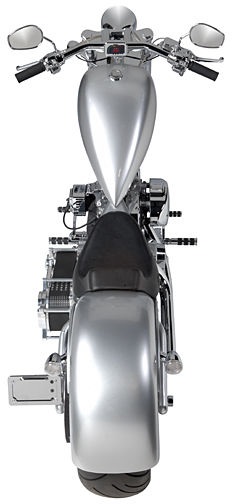
Consider the contrast: a traditional chopper might drip with accessories, its frame laden with chromed-out flair. A minimalist blackout bike, by contrast, is a study in restraint. The tank is smooth. The fenders are razor-thin. The handlebars? They’re sculpted from a single piece of steel, their geometry so precise they could be mistaken for a piece of modern sculpture. This isn’t deprivation. It’s liberation. Liberation from the tyranny of excess, from the pressure to perform visually. Here, performance isn’t measured in decibels or flash—it’s measured in the quiet hum of a well-tuned engine and the way the bike slices through the air like a blade through silk.
Designing the Blackout Aesthetic: Form Follows Function, Always
To build a minimalist blackout chopper, you must first unlearn everything you thought you knew about custom bikes. Forget the idea that customization equals addition. Here, customization is subtraction. The goal isn’t to make the bike yours by slapping on your name in rhinestones. It’s to make it yours by stripping away everything that isn’t you.
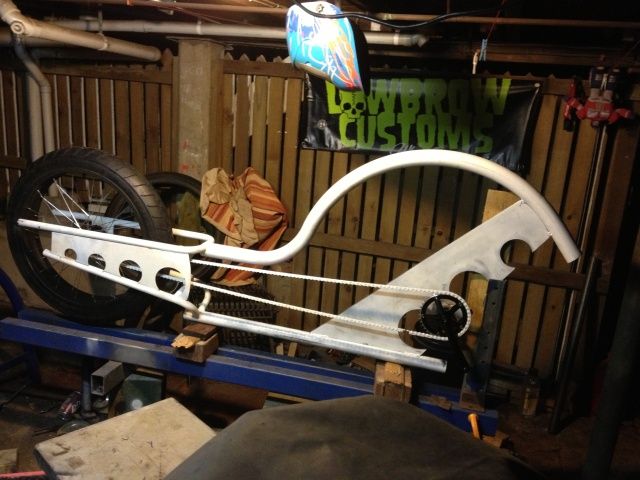
Start with the frame. In a blackout build, the frame isn’t just a skeleton—it’s the spine of the machine. Opt for a rigid or hardtail setup. No suspension to soften the ride, no unnecessary gussets to clutter the lines. The frame should be a single, uninterrupted sweep of steel, its geometry so clean it could be the blueprint for a skyscraper. Welds should be invisible, ground flush, so the metal appears to flow like liquid. This isn’t just about looks. A well-designed frame reduces weight, improves handling, and—most importantly—eliminates the visual noise that distracts from the bike’s true character.
Next, the tank. Forget the ornate, airbrushed monstrosities of yesteryear. A minimalist tank is a study in geometry. Think of it as a teardrop, elongated and tapered, its surface so smooth it reflects the world like a mirror. The color? Black, of course. Not just any black, but a deep, matte void that absorbs light rather than bouncing it back. This isn’t just a color choice. It’s a psychological one. Black is the absence of color, the presence of potential. It’s the canvas upon which the bike’s true nature will be revealed.
The Engine: Where Power Meets Poetry
You can’t have a chopper without an engine. But in a minimalist blackout build, the engine isn’t just a powerplant—it’s a work of art. The goal isn’t to bury it under layers of chrome and bling. It’s to let it breathe. To let it speak.
Start with a base engine—something classic, like a Harley-Davidson Evolution or a Sportster. But don’t stop there. This isn’t a stock build. This is a refinement. Strip the engine down to its essentials. Polished cases. Exposed finned cylinders. A single, gleaming exhaust pipe that curves like a question mark, its tip just kissing the rear fender. The goal? To make the engine the focal point, not a supporting player.
But here’s the challenge: How do you balance power with restraint? A minimalist chopper can’t hide behind layers of sound-deadening material or a muffler the size of a small car. Every vibration, every growl of the engine, is on full display. This means you need an engine that’s not just powerful, but refined. A machine that purrs like a panther, not roars like a lion. It’s a delicate balance—one that requires patience, skill, and a deep understanding of mechanics. But when done right, the result is nothing short of magical. The bike doesn’t just move. It communicates.
The Challenge of Restraint: Can You Handle the Silence?
Here’s the thing about minimalism: it’s easy to talk about. It’s hard to execute. Because minimalism isn’t just about what you leave out. It’s about what you leave in. And that’s where the real challenge lies.
Imagine this: You’ve spent months stripping down your chopper. The frame is clean. The tank is smooth. The engine is a masterpiece of precision. You’ve removed every extraneous part, every unnecessary bolt. You’ve ground down every weld, polished every surface, until the bike gleams like a knife blade. Now, you’re ready to ride. But as you fire up the engine and pull away, something feels… wrong. Not because the bike isn’t working. But because it’s too quiet.
This is the paradox of minimalism. In a world that rewards noise, silence can feel like failure. But that’s the point. The minimalist chopper isn’t for everyone. It’s for those who understand that true power isn’t measured in decibels or flash. It’s measured in the way the bike feels when you ride it. In the way it responds to your touch. In the way it disappears beneath you, leaving only the road and the wind and the hum of the engine.
So, can you handle the silence? Can you ride a bike that doesn’t scream for attention? Can you trust that less is, in fact, more? If the answer is yes, then you’re ready to join the ranks of the minimalist rebels. The builders who understand that the most powerful statement isn’t the one that demands to be heard—it’s the one that whispers and leaves you wanting to lean in closer.
Finishing Touches: The Devil is in the Details
Even in a minimalist build, the details matter. They’re the difference between a bike that looks like it was designed by a committee and one that looks like it was born from a single, unbroken thought.
Start with the seat. Forget the plush, padded monstrosities of traditional choppers. A minimalist seat is a single piece of leather, stretched taut over a sculpted frame. It should be low, almost flush with the tank, so the rider’s legs wrap around the bike like a second skin. The color? Black, of course. Or perhaps a deep, earthy brown that contrasts with the bike’s matte finish. The stitching should be invisible, the edges razor-sharp. This isn’t just a seat. It’s a statement of intent.
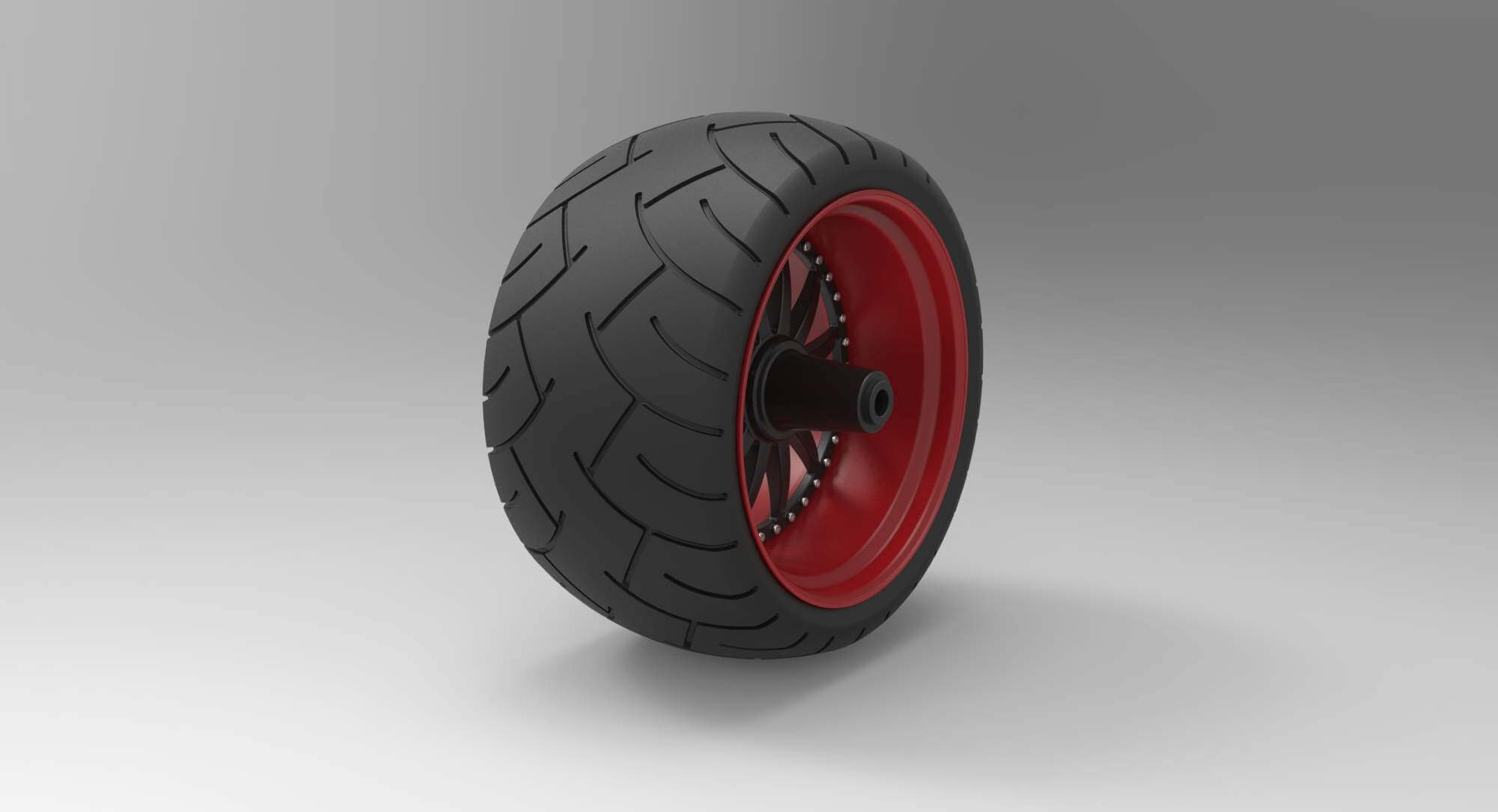
Next, the wheels. Spokes are out. Solid, polished discs are in. The hubs should be clean, the spokes (if you must have them) thin and unobtrusive. The tires? Skinny, black, and devoid of any white lettering or branding. The goal is to make the wheels disappear, to let the frame and the engine take center stage. But here’s the trick: even when they’re not the focus, they still need to be perfect. A wobble in the wheel, a misaligned spoke, and the illusion of minimalism shatters.
Finally, the paint. Or, more accurately, the lack of it. A true minimalist chopper doesn’t need paint. It needs finish. A deep, satin-black powder coat that soaks up light rather than reflecting it. Or, if you’re feeling bold, a raw, unpolished steel finish that ages like fine wine. The key is consistency. Every surface should look like it was finished with the same care, the same attention to detail. There should be no seams, no transitions, no visible joints. Just a single, uninterrupted expanse of metal, as if the bike were carved from a single block of obsidian.
The Ride: Where Minimalism Meets Motion
All the planning, all the precision, all the patience—it all comes down to this: the ride. Because a minimalist chopper isn’t just a static sculpture. It’s a machine designed to move. And when it does, it should feel like an extension of your body.
On the road, the minimalist blackout chopper reveals its true genius. The lack of suspension means every bump is transmitted directly to the rider, forging a connection between man and machine that’s almost spiritual. The low seat position means your legs are always engaged, always ready to steer or brake. The exposed engine means you can feel every vibration, every pulse of power, as if the bike is sharing its heartbeat with you.
But here’s the real magic: the bike disappears. Not in the sense that it becomes invisible, but in the sense that it becomes part of you. You don’t ride a minimalist chopper. You become it. The road, the wind, the hum of the engine—it all blends into a single, seamless experience. There’s no distraction. No clutter. No noise. Just you, the bike, and the open road.
And that, perhaps, is the ultimate luxury. Not the bike that turns heads, but the one that lets you disappear.