Remember the roar of engines, the gleam of chrome, and the larger-than-life personalities that once dominated our screens in custom chopper TV shows? Around the mid-2010s, these programs—once the darlings of cable television—suddenly vanished like a bike disappearing into a fog bank. What happened? Was it a slow puncture in the hype, a shift in audience tastes, or something far more sinister lurking beneath the surface?
The Golden Age That Wasn’t Built to Last
Custom chopper TV shows thrived in an era when reality television was still finding its footing. Networks like Discovery Channel and TLC bet big on the drama of backyard builders, family feuds, and the sheer audacity of turning scrap metal into rolling art. Shows like American Chopper didn’t just entertain—they became cultural touchstones, blending craftsmanship with family dynamics in a way that felt both raw and aspirational. But here’s the rub: their success was as much about timing as it was about talent. The early 2000s were a perfect storm of economic optimism, a DIY spirit, and a hunger for authenticity in a world increasingly dominated by polished, scripted content. By 2015, however, the storm had passed. Audiences grew weary of the same old narratives—father-son clashes, deadline-induced meltdowns—and craved something fresher, something with a pulse.
Was the Audience Just Getting Bored?
The decline of these shows wasn’t just about overfamiliarity—it was about a fundamental shift in what audiences wanted from their television. Custom chopper programs relied heavily on spectacle: the transformation of a pile of parts into a masterpiece, the tension of a ticking clock, the inevitable clash of egos. But by the mid-2010s, viewers had moved on. They wanted more—more diversity, more innovation, more substance. The chopper community, once a niche but passionate subculture, had splintered. Some builders turned to YouTube, where they could share their craft without the constraints of network executives. Others pivoted to electric bikes or custom cars, leaving the chopper world in the dust. The audience, it seemed, had simply outgrown the formula. And when a show stops feeling fresh, it stops feeling relevant.
The Curse of the “Family Business” Trope
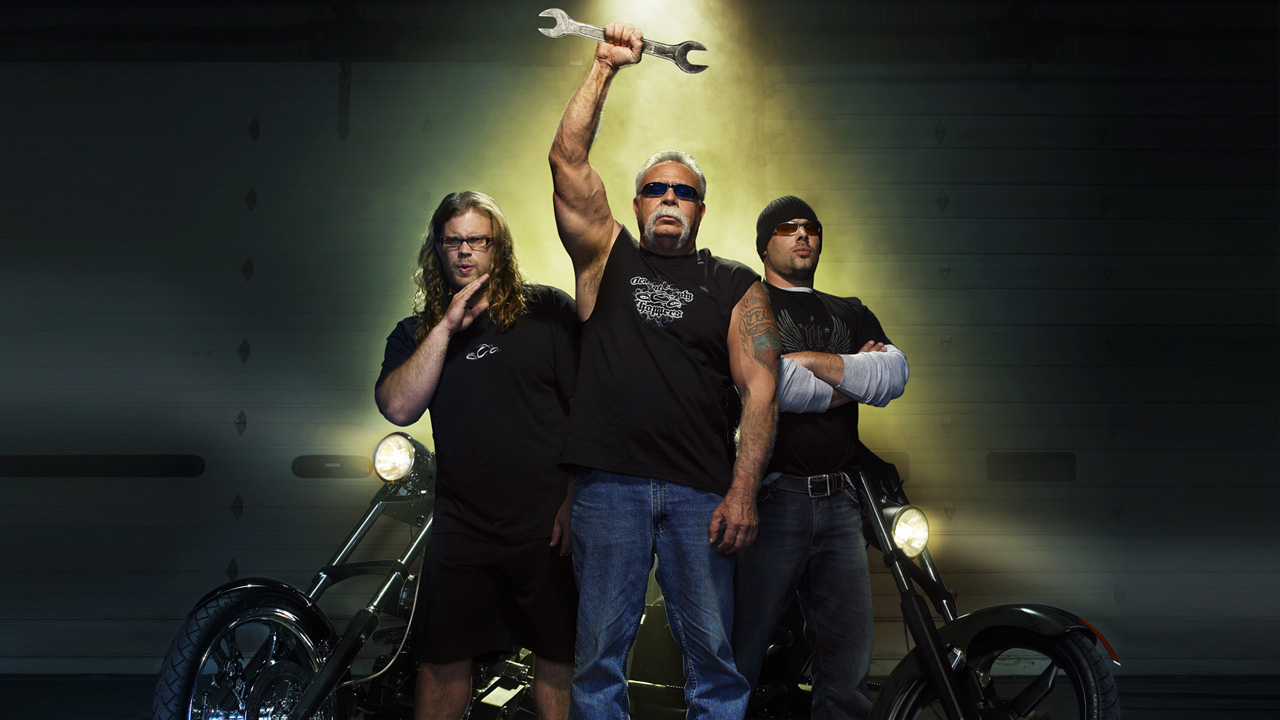
Let’s talk about the elephant in the garage: the family drama. Custom chopper shows thrived on the tension between generations, the clash of personalities, and the inevitable fallout when pride and ambition collided. But here’s the thing—families are messy, and television loves mess. The problem? Audiences got tired of the same old script. The Paul Teutul Sr. vs. Paul Teutul Jr. dynamic played out for years, and by the time the show’s later seasons rolled around, it felt less like compelling drama and more like a bad soap opera. Networks tried to replicate the formula with other families—new blood, new conflicts—but the magic just wasn’t there. The audience had moved on, and the shows were left spinning their wheels in a garage full of nostalgia.
The Rise of the Digital Renegades
While traditional TV networks were busy milking the chopper cow for all it was worth, a new breed of content creators was rising from the ashes of the old guard. YouTube, with its low barriers to entry and direct connection to audiences, became the new frontier for chopper enthusiasts. Builders like Paul Jr. himself took to the platform, bypassing network executives and speaking directly to fans. The result? A more authentic, unfiltered look at the craft—no more contrived drama, no more forced family feuds. Just pure, unadulterated passion for the art of building. Networks, slow to adapt, found themselves playing catch-up in a game they no longer understood. The digital revolution didn’t just change the game; it rewrote the rules entirely.
The Economic Reality Check
Let’s not forget the cold, hard numbers. Producing a custom chopper TV show wasn’t cheap. Between the cost of materials, the salaries of the cast and crew, and the inevitable overruns, these programs were a financial gamble from the start. As ratings declined, so did the ad revenue that kept them afloat. Networks, faced with the choice between sinking more money into a sinking ship or cutting their losses, chose the latter. The economic downturn of the late 2000s and early 2010s didn’t help either. Advertisers became more selective, and audiences became more discerning. The chopper shows, once a lucrative venture, were now a liability. And just like that, the curtain fell.
What’s Next for the Chopper World?
So, where does that leave the custom chopper community today? The answer isn’t as bleak as it might seem. While the TV shows may be gone, the spirit of the chopper lives on. Builders are still creating, enthusiasts are still riding, and the culture is still thriving—just in different forms. Events like the Daytona Bike Week and Sturgis Motorcycle Rally continue to draw crowds, and online communities buzz with activity. The challenge now is to keep the flame alive without relying on the crutch of television. The future of custom choppers lies in innovation, in pushing boundaries, and in finding new ways to captivate audiences who crave authenticity over artifice. The question isn’t whether the chopper world will survive—it’s whether it can evolve.