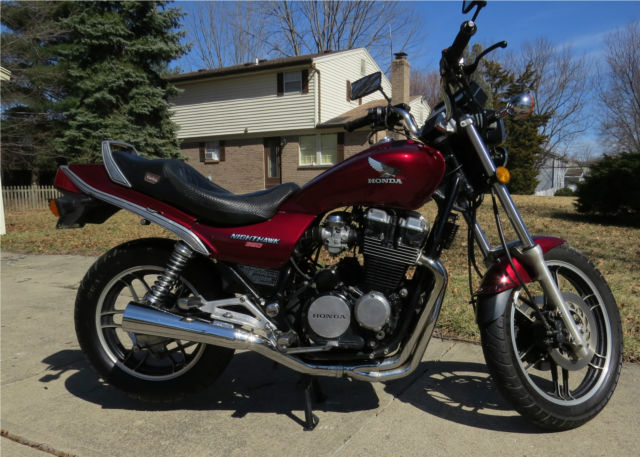
The 1983 Honda Nighthawk series, encompassing the 550, 650, and 750 models, holds an esteemed position in the pantheon of classic motorcycles. Revered for their timeless design, impressive reliability, and approachable performance characteristics, these bikes captivate a diverse audience ranging from nostalgic collectors to practical daily riders. Delving into the nuances of each model reveals a fascinating exploration of engineering choices, aesthetic appeals, and rider experience—key factors that contribute to the ongoing debate: which Nighthawk is truly the best one to own?
At first glance, the 1983 Honda Nighthawk 550 offers a compelling entry point for enthusiasts drawn to lightweight agility paired with sufficient power. Equipped with a 553cc four-cylinder engine, the 550 exhibits a refined balance between spirited performance and manageable handling. Its air-cooled, SOHC (single overhead camshaft) design ensures straightforward maintenance, a quality highly prized by those who appreciate hands-on mechanics or seek a commuter-friendly machine. The 550’s modest yet punchy output gives riders a nimbleness often lost in larger displacement motorcycles, making urban manoeuvrability and canyon carving more accessible.
Transitioning to the Nighthawk 650, the middle sibling in this trio, unveils an evolution marked by incremental power and enhanced versatility. The 650 engine, a 647cc air-cooled inline-four, delivers a smoother torque curve and elevated top-end performance without forsaking reliability. This model bridges the gap between the 550’s agility and the 750’s muscular presence, carving a niche for riders who demand a more adaptable motorcycle capable of highway endurance and spirited weekend rides. In addition to mechanical upgrades, the 650 benefited from subtle aesthetic refinements—sharpened lines, a comfortable seat contour, and ergonomic adjustments that elevate long-distance comfort.
At the summit stands the 1983 Nighthawk 750, a robust incarnation that appeals to those valuing raw power interlaced with classic styling. Its 747cc engine, derived from Honda’s acclaimed CB750 heritage, unfurls a broader torque band and heightened acceleration, ideal for experienced motorcyclists seeking a potent yet controllable thrust. The 750’s frame is engineered to handle increased stress, integrating stiffer suspension components and wider tires—attributes that amplify stability at higher speeds and improve cornering confidence. This model’s more substantial presence translates to a commanding ergonomics layout, with a wider seat and more substantial handlebars, creating an imposing yet comfortable riding posture.
Beyond engine displacement and physical attributes, each Nighthawk model offers subtle distinctions in rider interface and character. The 550’s lightweight frame and modest power encourage a more engaged and tactile ride, inviting exploration and development of fundamental motorcycle skills. The 650’s intermediate status supports a broader range of riding scenarios—from daily commutes peppered with stop-and-go traffic to longer excursions on twisty backroads. Its balanced chassis promotes an assiduous harmony between agility and comfort, making it a consummate “do-it-all” motorcycle. Meanwhile, the 750’s emphasis on power and presence caters to enthusiasts with a penchant for spirited riding and touring capability, where highway cruising and open-road performance become paramount.
Maintenance culture among these bikes is a vital consideration. Honda’s legendary engineering principles manifest through the Nighthawk lineage, characterized by robust build quality and ease of serviceability. Replacement parts for the 550, 650, and 750 models remain relatively accessible compared to other motorcycles from the era, simplifying restoration and upkeep. Likewise, their carbureted fuel systems, while demanding occasional tuning, offer straightforward diagnostics and adjustability—a boon for riders wanting direct engagement with their machine’s performance. The electrical system, typically exhibiting resilient components, underscores their reputation for enduring functionality, even decades post-production.
Another facet enhancing the Nighthawk’s appeal is the swath of customization avenues available. Owners often gravitate toward bespoke paint schemes, aftermarket exhaust systems, and ergonomic modifications to tailor the motorcycle’s aesthetic and rideability. The 550’s lightweight chassis serves as an excellent platform for café racer conversions or brat-style builds, imbuing the bike with a distinct personality. The 650 and 750, with their inherent performance capabilities, are frequently modified for enhanced power delivery or touring comfort, including windscreen additions and luggage racks. This adaptability extends the life of these models far beyond their factory spec, allowing the motorcycle to evolve alongside its rider’s tastes and requirements.
When considering the investment perspective, the Nighthawk 550, 650, and 750 each exhibit different trends. The 550 often commands admiration from enthusiasts valuing rarity and the perfect blend of power and control in a lightweight package. The 650 strikes a middle ground in both price and collectibility, admired for being the versatile workhorse in the lineup. The 750, given its displacement and performance pedigree, generally attracts premium valuations, partly due to its status as the “flagship” model in the Nighthawk family. Prospective buyers should also account for varying levels of maintenance history, condition, and originality, all of which markedly influence desirability and market value.
In summary, selecting the best 1983 Honda Nighthawk model to own hinges on individual priorities—whether they align with agility and lightness, all-around versatility, or power and presence. The 550 excels at delivering an engaging, approachable riding experience with economical upkeep. The 650 offers a multifaceted approach, balancing comfort, performance, and usability with minimal compromise. The 750 reigns supreme for riders seeking traditional muscle combined with classic Honda reliability. Regardless of choice, each Nighthawk encapsulates the essence of early 1980s motorcycle design: functional elegance, mechanical robustness, and a rider-focused ethos.
Ultimately, owning any model from the 1983 Nighthawk series is an invitation to partake in a legacy of craftsmanship and versatility—a connection to a golden age of motorcycling that continues to resonate with enthusiasts worldwide.