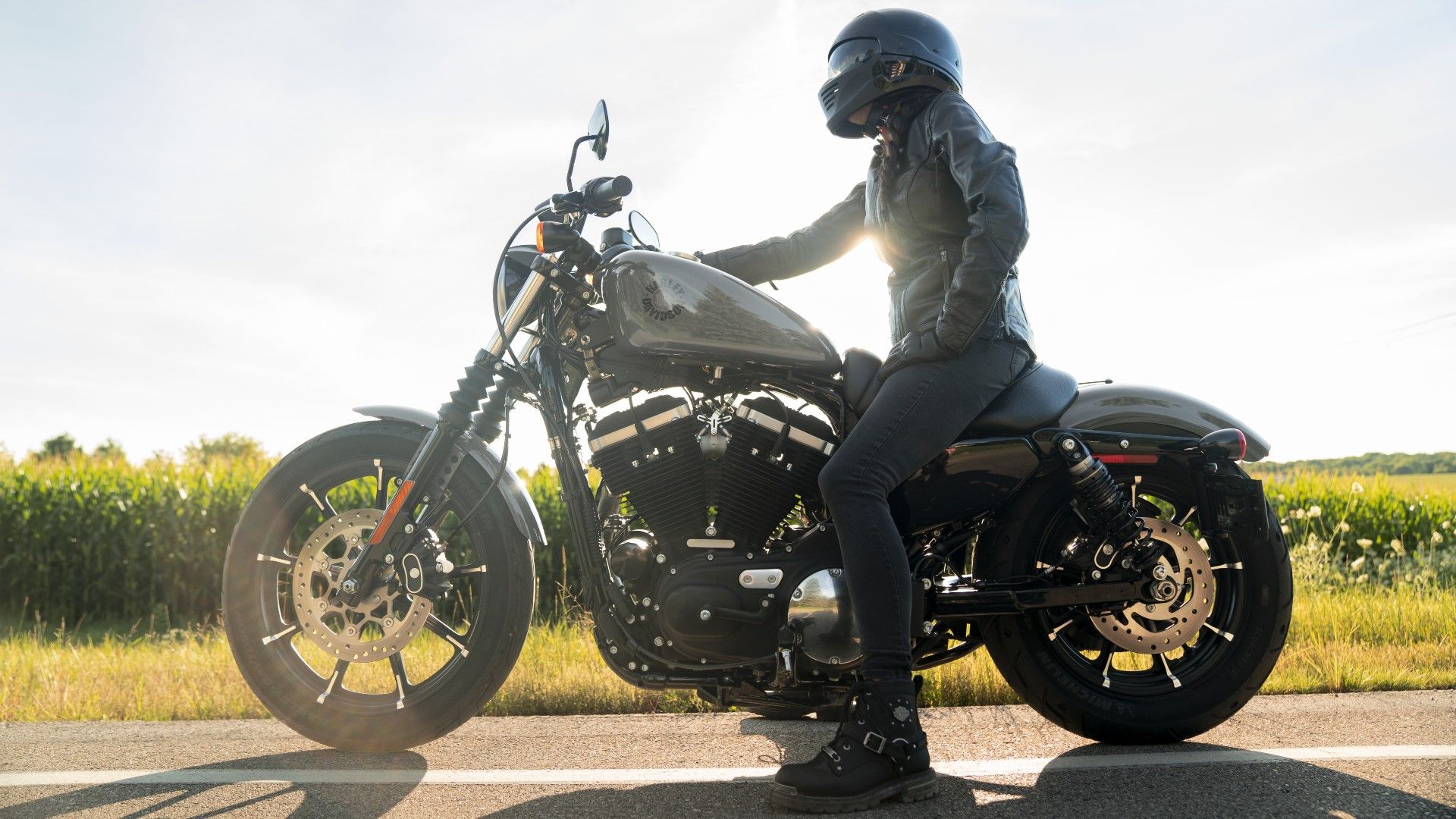
When you hear the name “Harley Sportster” from the mid-1980s, what image instantly springs to mind? Is it a raw, snarling beast of a machine, embodying pure American horsepower and rebellion, or is it simply a glorified cruiser, overrated beyond its true mechanical merit? The 1985–1987 Harley-Davidson Sportster stands at an intriguing crossroads of motorcycle history, challenging enthusiasts and skeptics alike to differentiate between substance and style. Could this era of Sportster models be the epitome of raw power, or does it fall short of the hype surrounding its legendary status?
Peeling back the layers of nostalgia and adulation reveals a machine that straddles character and compromise. Unlike the more recent modern marvels with cutting-edge technology, the 1985–1987 Sportsters were emblematic of a period steeped in simplicity—an era when motorcycles were more about the visceral experience than digital precision. Beneath their iconic peanut fuel tanks and compact frames lies the venerable Evolution V-twin engine, which served as the heart of Harley’s lineup for decades. This air-cooled, 883cc engine delivered a respectable 49 horsepower, a figure that, while not astronomical, was notable for its time.
Yet, horsepower numbers alone don’t encapsulate a motorcycle’s essence. The Sportster’s torque delivery was a hallmark feature, offering a low- and mid-range grunt that invited spirited riding without the need to constantly shift gears. It rewarded riders who preferred to harness power elegantly rather than brute forcing it out. This torque curve lent itself perfectly to urban environments, where stop-and-go traffic demanded responsiveness and agility rather than outright speed. The throttle response was immediate, the engine note resonant, and the connection between rider and machine palpably direct.
However, the reputation of the mid-1980s Sportster must be scrutinized through the lens of performance expectations as well. By 1985, the motorcycle industry was witnessing a surge in technological innovation. Japanese manufacturers were pushing the envelope with lighter chassis, multi-valve engines, liquid cooling, and advanced suspension systems. Against such competition, the dripping authenticity of the Harley Sportster could be perceived as antiquated. Its rigid frame geometry, conventional telescopic forks, and drum rear brakes—standard for its time but modest by emerging standards—left it outpaced on the racetrack and even in some spirited street scenarios.
The rawness that enthusiasts cherish can simultaneously be seen as a limitation. The weight distribution and suboptimal handling, affected by the Sportster’s traditional design choices, made sharp cornering more a test of rider skill than a byproduct of engineering finesse. Some might even argue the bike’s primitive electrical system and carburetor setup were relics stubbornly clinging to the past. Maintenance demands were non-trivial, requiring intimate mechanical knowledge or a good relationship with a trusted mechanic, which either enhances the bond between rider and machine or alienates potential owners longing for hassle-free operation.
Then there’s the matter of cultural significance, which cannot be underestimated. The 1985–1987 Sportster wasn’t merely a motorcycle; it was a statement. It belonged to an epoch where Harley-Davidson was clawing back its identity and market position after years of volatility. Owning a 1980s Sportster was an implicit alignment with the quintessential Harley ethos—freedom, tradition, and raw, unvarnished power. It was a badge of honor for many, a tactile rebellion against the slick, sterile motorcycles flooding the market. That intangible allure often elevates perceived value far beyond tangible specs.
But is cultural cachet enough to vindicate the Sportster’s somewhat outdated mechanical blueprint? For purists, the answer is a resounding yes. The modest size of the 883cc engine meant lighter overall weight compared to its larger siblings, making it more approachable for riders new to the Harley brand yet still craving that distinct Detroit roar. The bike’s simplicity also meant fewer electronic interferences, fewer worries about complex diagnostics, and more emphasis on throttle, clutch, and brake modulation—the elemental triumvirate of motorcycling.
In contrast, detractors point out that the 1985–1987 model years embody the very definition of “overrated.” The Sportster’s acceleration metrics lag behind many contemporaries, and its fuel economy—while decent—is not exceptional. Comfort on longer rides was debated due to limited suspension travel and a rather spartan seat design, making extended journeys a test of endurance rather than pleasure. Compared to growing offerings from European and Japanese manufacturers, the Sportster appeared to be an anachronism, a classic in form but not in function.
Moreover, the aftermarket scene, while vibrant, was a double-edged sword. Customization possibilities were abundant—from ape hanger handlebars to drag pipes and beyond—enabling owners to personalize their rides into unique expressions of style and function. However, such modifications often masked intrinsic performance drawbacks rather than rectify them fundamentally. This trend created a paradox: was the Sportster valued for its stock capabilities, or for how effectively it served as a canvas for customization? The answer is likely both, but it complicates efforts to assess the bike’s raw mechanical virtues against the spectacle of its cult status.
Ultimately, the 1985–1987 Harley Sportster represents a fascinating dichotomy. Its enduring appeal lies not only in what’s under the hood, but also in its symbolism—a motorcycle that invites riders to embrace imperfection, to celebrate nostalgia, and to savor honest engagement with machinery. If raw power is defined merely by peak horsepower and top speed, the Sportster might indeed seem outmatched. Yet, if raw power includes the unfiltered essence of a motorcyclist’s experience—the intoxicating vibration through knuckles, the elemental roar of a V-twin, and the elemental challenge of mastering a machine that demands respect—then the Sportster remains a formidable contender.
Is the 1985–1987 Harley Sportster an overrated relic or a timeless icon of unfettered motorcycling? Perhaps it’s both—a paradox wrapped in chromed steel, inviting each rider to interpret its essence on their own terms. It challenges conventional metrics and asks us to reconsider what we truly value in a two-wheeled companion: pure numerical prowess, or the enduring spirit of the ride.