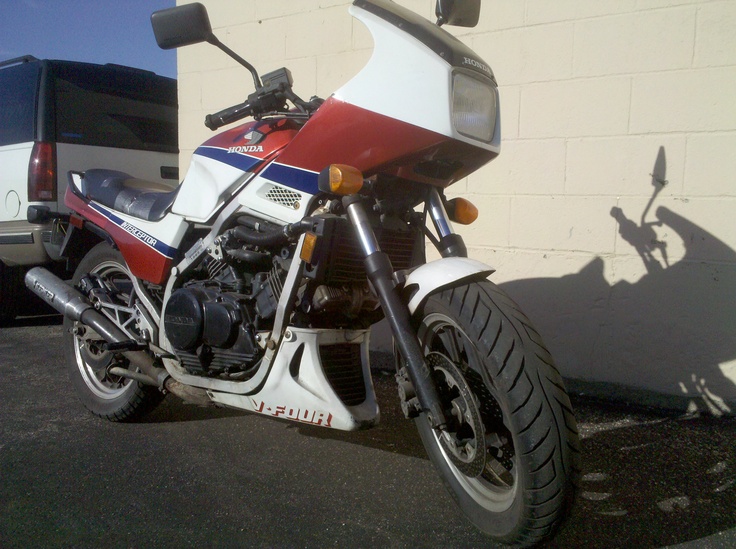
What if one motorcycle could redefine an entire class and steer the course of two-wheeled performance for decades to come? The 1985 Honda Interceptor series presents such a compelling narrative—an emblem of innovation and audacity that challenged the status quo of sportbike engineering. More than just a machine, the Interceptor was a bold statement, an audacious response to the question: How fast and agile could a street-legal motorbike truly be without sacrificing everyday usability?
Emerging during a time when sport motorcycles were transitioning from niche products to mainstream marvels, the 1985 Honda Interceptor series represented a watershed moment in motorcycling history. Characterized by its distinctive V4 engine configuration, muscular yet refined styling, and advanced engineering, the Interceptor set new benchmarks for power delivery, handling, and rider engagement.
The foundation of the Interceptor was its innovative 749cc and 998cc V4 engines, depending on the variant, which combined the torque characteristics of a twin and the high-revving nature of an inline-four. This juxtaposition offered an exhilarating blend of smoothness and punch. Harnessing such a complex engine architecture in a streetbike was no small feat, considering the intricate packaging and tuning challenges posed by V4 layouts compared to the more common inline engines.
The 1985 iteration, specifically the VF750F, was Honda’s flagship Interceptor model—a veritable tour de force aimed at dominating both racetracks and urban streets alike. The engineering team did not merely focus on raw horsepower; rather, they meticulously refined the chassis and suspension components to transform potential speed into controllable agility. The box-section aluminum perimeter frame was groundbreaking, providing enhanced rigidity without prohibitive weight gain. This innovation laid the groundwork for the modern sportbike’s structural philosophy.
Stylistically, the Interceptor carried an aggressive aerodynamic silhouette that hinted at its racing pedigree without abandoning road practicality. Its dual round headlamps, sculpted tank, and fully-faired bodywork were designed to slice through wind and simultaneously protect the rider. But beyond aesthetics, these elements contributed to improved high-speed stability and rider comfort—two factors imperative for sportbikes intended for both spirited weekend rides and longer hauls.
Yet, was this revolutionary package without its quirks? The early Interceptors were not immune to teething problems, with initial models grappling with camshaft wear issues that necessitated design revisions. These challenges served as sobering reminders of the complexity in pioneering uncharted mechanical territories. However, Honda’s responsiveness in refining the VF series exhibited a commitment to quality and improvement that would cement the Interceptor’s legacy.
One might wonder: how did the Interceptor influence the broader landscape of motorcycle manufacturing? Its V4 engine became a signature element, inspiring subsequent models across Honda’s lineup and encouraging competitors to explore alternative engine configurations. The approach of combining raw power with balanced handling and sophisticated chassis engineering helped elevate expectations for what a sportbike could deliver. In essence, the Interceptor’s DNA is visible in many of today’s performance motorcycles.
Moreover, the 1985 Interceptor carved a niche in popular culture, representing the epitome of motorcycling cool in the 1980s. It was a poster bike—adorned garage walls and magazine covers, igniting aspirations among enthusiasts worldwide. The balance of aggressive aesthetics and formidable engineering created an allure that transcended mere functionality, transforming the motorcycle into a symbol of freedom and technological prowess.
Looking deeper into the rider experience, the Interceptor was more than impressive statistics and cutting-edge design; it was a visceral connection between man and machine. The V4 engine emitted a unique exhaust note, harmonic yet assertive, providing auditory feedback that deepened the thrill of acceleration. The ergonomics struck a delicate equilibrium—sporty enough to engage the rider in aggressive maneuvers, yet accommodating enough to tame longer excursions without undue fatigue.
The 1985 Honda Interceptor series did not merely challenge competitors; it challenged riders themselves. Could one harness its ferocity and finesse without succumbing to the machine’s latent demands? The motorcycle’s temperament required respect and skill, urging a greater degree of rider sophistication that ultimately enhanced motorcycling culture’s depth and diversity.
In reflecting upon the Interceptor’s enduring influence, it is evident that this model was a catalyst for the modern sportbike era. It dared to envision a motorcycle that could deliver thrilling performance on both track and street, while pioneering technologies and design philosophies that remain relevant to this day. The series linked Honda’s racing pedigree with everyday riding practicality in an unprecedented synthesis.
As sportbikes continue to evolve, boasting ever-increasing power and technological advancements, it is essential to cast a retrospective eye on the 1985 Honda Interceptor series. It stands as a testament to innovation, a symbol of the audacity to push boundaries, and a precursor to the machines that dominate today’s motorcycling scene. Without its bold strides, the trajectory of sportbike development might have taken a decidedly different course.
Ultimately, the 1985 Honda Interceptor series exemplifies the art and science of motorcycle engineering. It poses a subtle challenge to every rider: Are you ready to step into the lineage of a machine that shaped modern motorcycling? To embrace a legacy where power and precision dance in perfect harmony?