The 1987 Harley Softail stands as a testament to enduring design, embodying a synergy between classic aesthetics and mechanical innovation. More than just a machine, it encapsulates an era where motorcycling was as much about style as it was about performance. This motorcycle promises a shift in perspective—an invitation to appreciate how timeless craftsmanship can redefine everyday riding experiences.
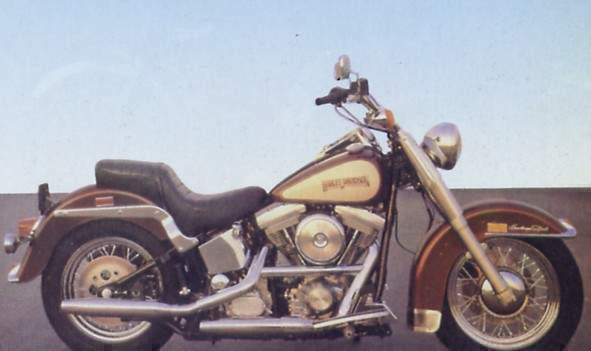
At first glance, the 1987 Harley Softail captivates with its unmistakable silhouette—a sleek yet robust form that harkens back to the golden age of motorcycling. Its teardrop-shaped fuel tank, broad fenders, and chromed accents evoke a nostalgia that many modern bikes strive to emulate but rarely capture with authenticity. Yet beneath its vintage veneer lies a sophisticated engineering layout engineered to deliver a ride that is smoother, more responsive, and far more composed than its predecessors.
Central to the Softail’s allure is its innovative suspension system. The hidden rear suspension, cleverly concealed beneath a rigid-looking frame, preserves the authentic hardtail appearance without sacrificing rider comfort. This design choice challenges preconceptions about motorcycle suspension—proving that classic style does not have to come at the expense of modern functionality. The Softail’s frame itself is a masterstroke in engineering finesse, balancing rigidity with flexibility, allowing for precise handling and enhanced road stability.
But the 1987 Softail is more than design ingenuity; it is a celebration of Harley-Davidson’s storied heritage. Featuring a Milwaukee-Eight inspired V-twin engine that delivers a satisfying rumble and commanding torque, the bike embodies the visceral power that Harley riders crave. This engine is not just about numbers; it is about the emotive connection between rider and machine, where the growl of the motor on open highways becomes a soundtrack to freedom and exploration.
The riding position of the Softail Classic is meticulously crafted for comfort across long distances. Generous seat padding, ergonomically positioned handlebars, and mid-mount foot controls create an environment where rider fatigue is minimized. This balance of comfort and design detail signals a nuanced understanding of the motorcyclist’s needs—whether cruising city streets or carving through winding country roads.
Moreover, the Softail’s aesthetic doesn’t merely rest on nostalgic laurels—it introduces subtle nuances that entice enthusiasts. The intricate cast-aluminum wheels, detailed pinstriping, and the interplay of matte and glossy finishes reflect a dedication to artistry seldom seen in production motorcycles. These elements transform the Softail from mere transportation into a moving canvas of craftsmanship, inviting admiration from connoisseurs and casual observers alike.
Underneath its captivating design and engineering virtues, the 1987 Harley Softail offers a platform that encourages customization, a hallmark of Harley-Davidson culture. Riders are empowered to transform their machine with aftermarket parts and accessories, personalizing everything from exhaust notes to seating styles. This culture of individuality challenges the notion that classic motorcycles must remain static relics—rather, they live, breathe, and evolve through the hands of their owners.
One cannot overlook the Softail Classic’s cultural resonance. Emerging at a time when motorcycle designs were increasingly leaning towards the futuristic and ultra-modern, the 1987 model stood as a counterpoint—a reminder that legacy and tradition hold enduring value. For many, the Softail represents more than just a vehicle; it symbolizes a commitment to authenticity, a refusal to be swept away by fleeting trends.
The bike’s distinctive silhouette has inspired artists, filmmakers, and designers, embedding itself deeply into the collective imagination of motorcycle aficionados worldwide. It evokes a sense of rebellion, freedom, and timeless elegance that transcends generational divides. Riding a 1987 Softail becomes an act of participation in a living history, where every twist of the throttle resonates with stories of the past and aspirations for the future.
In terms of performance, the Softail Classic’s engineering ensures that the motorcycle is not confined by nostalgia alone. Its reliable chassis dynamics paired with robust engine output deliver a harmonious blend of velocity and stability. Whether navigating tight urban environments or stretching out on a highway, the bike responds with grace and predictability, challenging riders to reconsider preconceived notions about motorcycles built in the 1980s.
The significance of the 1987 Harley Softail lies in its ability to bridge epochs. It simultaneously recalls a bygone era of American motorcycling while integrating innovations that keep it relevant to contemporary riders. It invites exploration—not only of physical landscapes but also of the philosophies underpinning what makes motorcycles timeless companions on the road.
Ultimately, the 1987 Harley Softail Classic is not merely an artifact; it is an emblem of enduring style, engineering prowess, and cultural significance. It promises more than transport—it offers a transformation in how one perceives the relationship between rider, machine, and the open road. By harmonizing classic design with modern sensibilities, it bequeaths a legacy that continues to inspire and captivate decades after its inception.
For those who seek a motorcycle that transcends the ordinary, the Softail Classic is a revelation—an invitation to rediscover the joy of riding through the lens of history and innovation entwined. It is proof that true style is never subject to obsolescence; rather, it persists, enduring as long as there are roads to be traveled and stories to be written.