When delving into the realm of early 1990s sport motorcycles, two names unmistakably stand out in the annals of Suzuki’s lineage: the 1990 Suzuki GSX-R750 and the Katana 600. Both machines carry a distinctive legacy and embody a unique blend of engineering prowess and design philosophy. For enthusiasts and prospective buyers alike, the question arises: which of these iconic motorcycles truly commands superiority? This comprehensive comparison aims to examine these two notable models across various dimensions—performance, design, ergonomics, handling, and practical usability—to illuminate which might better suit diverse rider preferences and intents.
Historical Context and Design Philosophy
The dawn of the 1990s was a transformative era for sportbikes, with Suzuki spearheading technological advancements to optimize speed, agility, and rider sensation. The GSX-R750 had earned a reputation as a track-focused thoroughbred, prized for its lightweight construction and ferocious power delivery. By contrast, the Katana 600 was the heir to a revered design lineage dating back to the early 1980s, known for its angular, aggressive aesthetics penned by the celebrated Hans Muth. While the GSX-R750 was unequivocally a racer’s tool, the Katana 600 leaned towards a street-oriented sport standard, blending spirited performance with urbane practicality.
Engine and Performance Metrics
At the heart of both machines lies a liquid-cooled, four-stroke, DOHC inline-four engine, a hallmark of Suzuki’s engineering pedigree. The GSX-R750’s engine displaced 750cc, delivering an exhilarating power output that oscillated between 90 to 100 horsepower depending on market specifications and tuning. This muscle was complemented by a peaky power curve optimized for high rpm performance, making the GSX-R a formidable contender on both the racetrack and canyon roads.
Conversely, the Katana 600 utilized a 599cc engine that churned out roughly 70 to 75 horsepower. While not as explosive as the GSX-R750, the Katana’s engine was lauded for its flexibility and smooth torque delivery across the rev range. This characteristic made it a more approachable machine for everyday riding, as it eschewed the razor-sharp power spikes of its larger sibling for a more forgiving yet spirited thrust.
Chassis and Handling Dynamics
The GSX-R750’s chassis was revolutionary for its time—a lightweight aluminum frame that drastically reduced overall bike mass. This innovation led to unmistakable agility and nimbleness, empowering riders to carve through corners with surgical precision. Suspension components, including inverted front forks and a sophisticated rear monoshock setup, further enhanced the GSX’s ability to maintain composure under aggressive riding conditions.
The Katana 600, in comparison, featured a steel frame, which, while robust, contributed to a slightly heavier and less flickable feel. Its handling was stable but somewhat less incisive when pressed into tight, rapid directional changes. Front forks and rear suspension, though competent, lacked the advanced geometry and adjustability of the GSX-R’s system. However, the Katana’s chassis excelled in stability and rider confidence during longer rides and at moderate speeds, underscoring its dual-purpose design ethos.
Ergonomics and Rider Comfort
Ergonomically, the two motorcycles diverged in their approach. The GSX-R750 adopted a race-oriented riding posture with low clip-on handlebars and rear-set footpegs. This configuration, while ideal for track-day aggression, imposed limitations on rider comfort during extended street rides, often resulting in increased wrist and back fatigue.
On the other hand, the Katana 600 embraced a more upright stance, with higher handlebars and a flatter seat profile. The rider’s position allowed for improved comfort during daily commutes and touring while still maintaining a sporty demeanor. This balance of aggression and comfort made the Katana a versatile choice for riders desiring spirited performance without sacrificing everyday usability.
Styling and Aesthetic Appeal
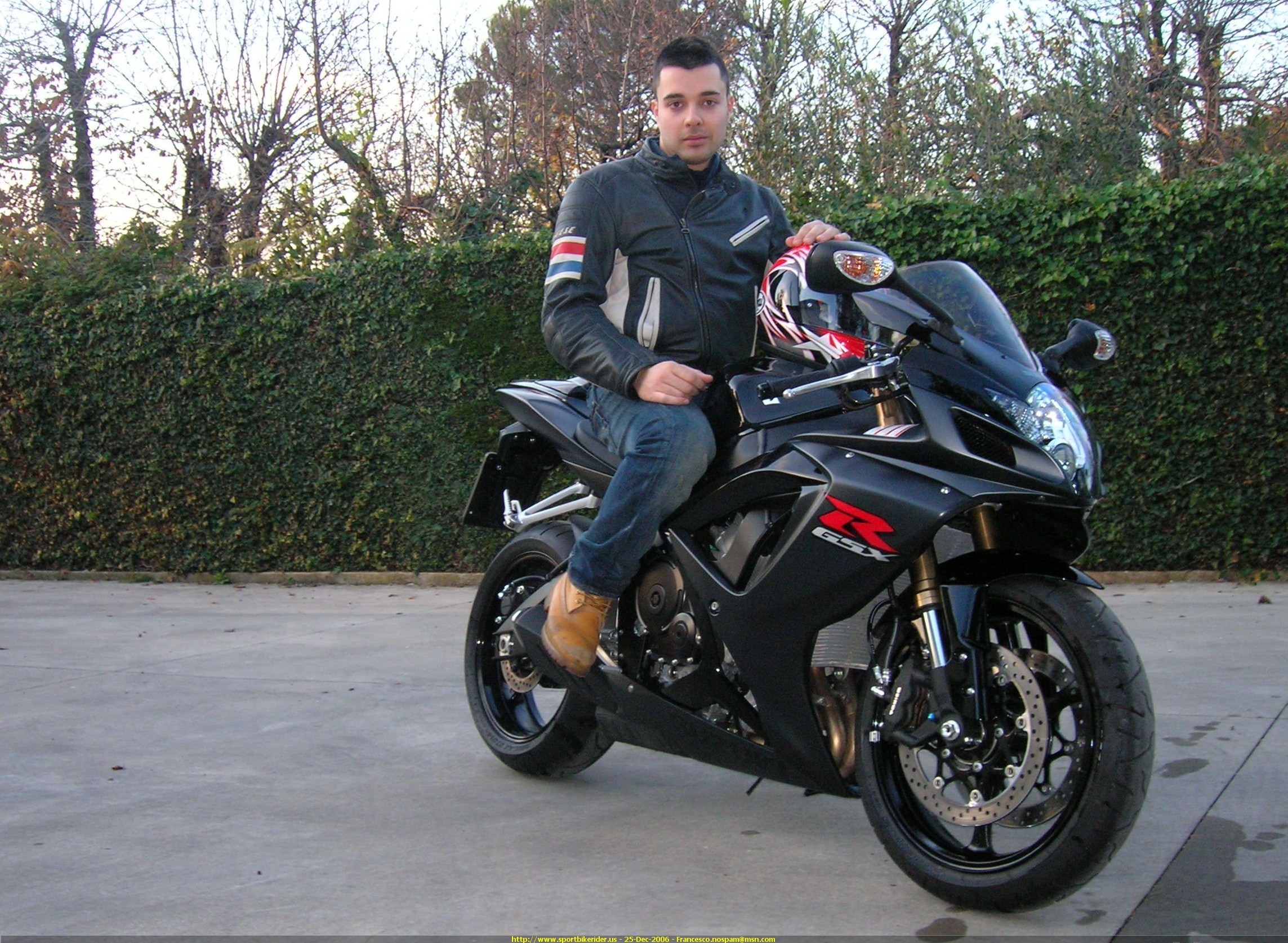
The GSX-R750’s styling was purpose-driven and minimalistic, accentuating its lithe contours and aerodynamic efficiency. Its aggressive fairing design minimized drag and framed a compact, muscular silhouette.
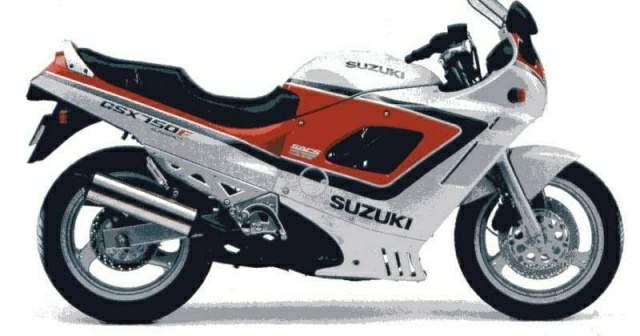
The Katana 600, however, stood out with its distinctive angular bodywork and sharp edges—a signature of its era and designer heritage. Its wide, aggressive stance and aerodynamic front fairing with integrated square headlamp conveyed a bold presence, appealing strongly to those valuing identity and visual flair as much as performance.
Braking and Safety Features
Both bikes were equipped with disc brakes front and rear, but the GSX-R750’s braking system was generally considered more advanced, featuring dual discs up front that provided enhanced stopping power essential for high-speed deceleration scenarios. The Katana’s braking setup, while effective for its power class, tended to lag slightly behind in terms of raw performance and feel, yet was sufficient for the bike’s intended street applications.
Practical Considerations and Market Positioning
In terms of everyday usability, the Katana 600’s lighter power output and comfortable ergonomics positioned it as a quintessential all-rounder, capable of handling urban environments, spirited canyon rides, and longer excursions with aplomb. Fuel economy was favorable, and maintenance complexity was moderate, making it appealing to a wide spectrum of riders from novices to seasoned enthusiasts seeking a reliable, stylish machine.
The GSX-R750, designed with a competition edge, remained the choice for riders who prioritized outright speed, track days, and performance-centric modifications. Ownership came with the need for more attentive maintenance and readiness to adapt to the more aggressive riding posture and tune. This bike was less about subtlety and more about adrenaline-fueled performance.
Conclusion: Which Is Better?
Choosing between the 1990 Suzuki GSX-R750 and the Katana 600 necessitates a clear understanding of rider requirements and priorities. If raw performance, lightness, and track capability are paramount, the GSX-R750 indisputably leads, functioning as an archetypal sportbike of its era. Alternatively, the Katana 600 offers a compelling blend of charismatic design, rider comfort, and approachable sportiness suitable for versatile street use.
Each motorcycle stands as a testament to Suzuki’s engineering philosophy but caters to distinct motorcycling philosophies: one razor-sharp, tuned for the edge; the other balanced and accessible yet still fiercely sporting. Ultimately, the verdict depends on whether the rider’s heart beats for the uncompromising rush of a race-bred 750cc or the polished charisma and agile practicality of the Katana 600.