When faced with the tantalizing choice between the 2005 Kawasaki Ninja 500R and the 650R, one might be tempted to ask: which machine truly captures the spirit of sport biking while offering the best blend of performance, handling, and practicality? This question isn’t simply about horsepower or top speed; it ventures into realms of rider experience, daily usability, and even the emotional connection forged atop these two distinct steeds. Both models carry the revered Ninja badge, but beneath the shared lineage lies a compelling divergence that could turn a casual inquiry into a passionate debate.
Let’s delve firsthand into what differentiates these intriguing motorcycles, unfolding their nuances along several key axes—engine performance, chassis and handling, riding comfort, aesthetics, and ultimately, which might align better with your motorcycling ambitions.
Power and Performance: The Heart of the Matter
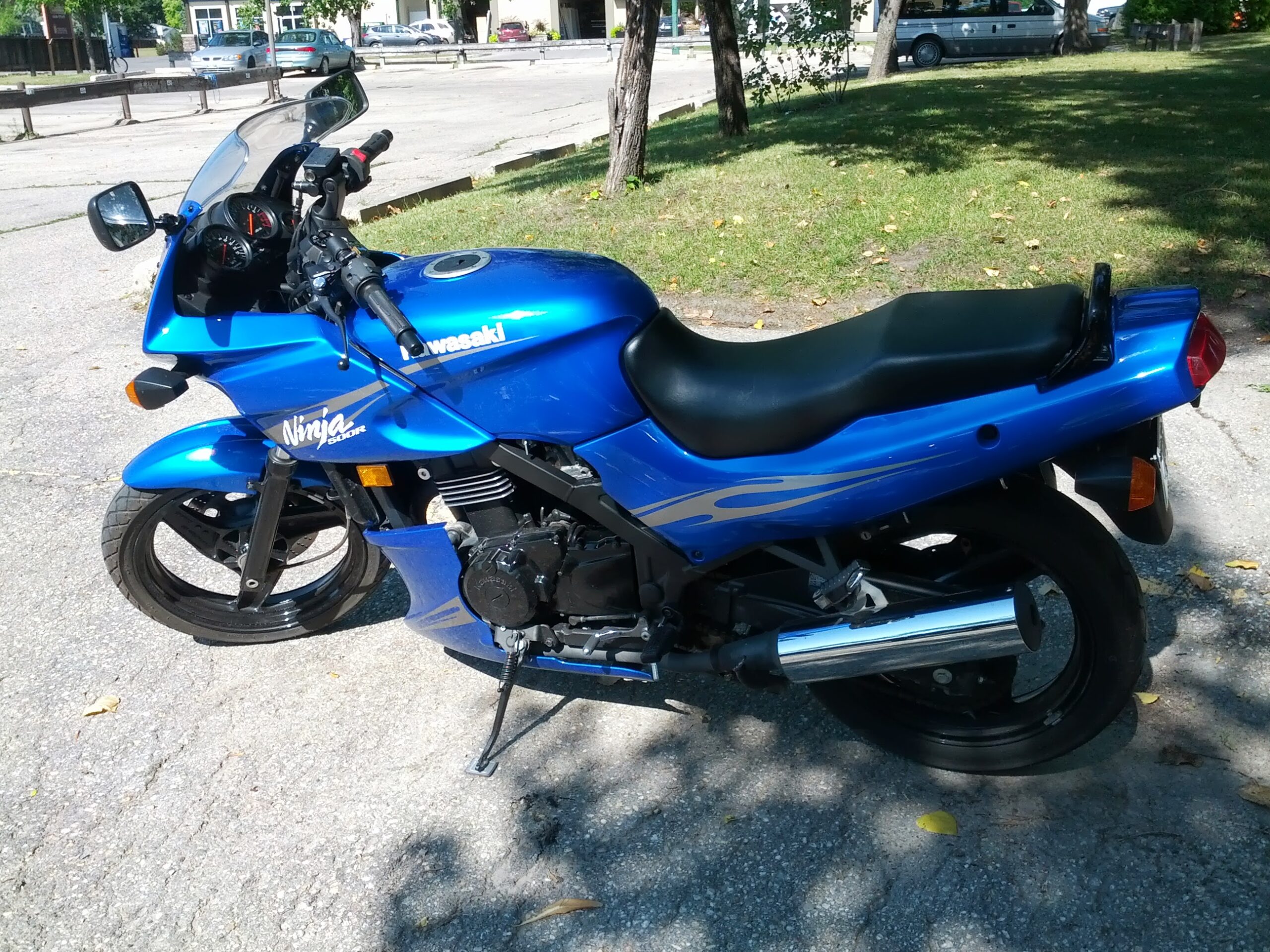
The Ninja 500R, often lauded as an ideal entry-level sportbike, features a 498cc parallel-twin engine that produces a modest yet sprightly power output. It hums with a linear delivery, making it an engaging partner for novice riders and those who appreciate smooth acceleration without the nerve-wracking intensity of a high-displacement powerhouse. This bike’s performance envelope invites confidence—its modest horsepower is not a limitation but rather an encouragement to ride cleanly and cleverly.
In stark contrast, the Ninja 650R houses a more robust 649cc parallel-twin engine. This step up in displacement translates to a tangible leap in torque and horsepower—providing a more aggressive thrust that experienced riders often crave. Whether carving through twisties or accelerating along open roads, the 650R presents a stronger midrange punch and higher rev limits. It’s a motorcycle that promises thrilling engagements, yet retains user-friendly characteristics that make it approachable without intimidation.
However, with increased performance comes a corresponding increase in weight. The 650R tips the scales slightly heavier—an element that subtly shifts the ride dynamics and demands a deeper engagement with the bike’s mass and momentum.
Chassis, Suspension, and Handling: Dance of Precision
Handling prowess is often the decisive factor for riders choosing between these two Ninjas. The 500R’s chassis is light and nimble, engineered to inspire agility and ease—a real gem in urban environments or for those nurturing their cornering skills. Its suspension setup is designed to strike a harmonious balance that appeals both to beginners and seasoned riders looking for a reliable commuter with a sporty edge.
The 650R introduces enhancements geared toward a sportier riding posture and more demanding handling scenarios. Its suspension is firmer, accepting a more aggressive rider input without wavering. This translates to confident stability in corners and quicker responses at higher speeds. While the added weight requires a bit more commitment in direction changes, skillful riders will appreciate the 650R’s capability to handle spirited riding with aplomb.
It’s worth noting that the chassis geometry on the 650R is subtly adjusted to accommodate its bigger frame and engine, adding a slight length to the wheelbase which can translate into improved high-speed stability but less of the flickability prized in lighter sportbikes. Therefore, your typical riding environment and style should heavily factor into this decision.
Comfort and Ergonomics: The Unsung Hero
Comfort often teeters on the edge of neglect when juxtaposed with raw performance. Yet, over longer rides, it emerges as a deciding criterion. The Ninja 500R offers an upright positioning with a wider, more cushioned seat that facilitates longer journeys without taxing the rider excessively. It invites a relaxed form that melds well with daily commuting, weekend rides, and beginner learning curves.
The 650R, with its slightly sportier seating arrangement, places rider weight more forward. While this enhances control and aerodynamics, it does so at some cost to plush comfort. For riders who favor spirited rides and occasional track days, this ergonomics setup feels purposeful. However, for those contemplating long-distance touring or extensive city navigation, the firmness and forward lean might become a chore over time.
Styling and Visual Identity
The aesthetic divide between the 2005 Ninja 500R and 650R tells a story of lineage versus evolution. The 500R retains the classic, no-nonsense sportbike contours reminiscent of the late 90s and early 2000s Ninja designs. It boasts clean lines and a visually accessible profile, which appeals to riders who appreciate tradition balanced with functionality.
The 650R, however, strides with a more contemporary silhouette for its time. It evokes a muscular stance accentuated by dual headlights and aggressive fairings that turn heads and signal its enhanced capabilities. This bike doesn’t just ride sportily—it looks the part too, communicating ambition and a readiness to dominate the asphalt.
Practicality and Ownership Costs
Beyond the thrill, prospective owners must reckon with the practical elements of ownership. Fuel economy for the Ninja 500R is notably generous—its smaller engine sipping fuel modestly, making it a budget-friendly choice for daily commuters and beginners still learning the ropes.
The 650R, whilst not exorbitantly thirstier, does lean toward higher fuel consumption due to its larger engine and spirited performance character. Maintenance costs mirror this pattern; the 650R’s components and engineering demand a slightly more attentive regimen. Insurance premiums also tend to be higher on the 650R, reflecting its elevated power category.
Which Ninja Matches Your Journey?
The decision between the 2005 Kawasaki Ninja 500R and 650R ultimately hinges on your priorities as a rider. Are you drawn to a versatile, forgiving bike that’s as comfortable in city traffic as it is winding through backroads? The 500R is a steadfast companion, combining reliability with approachable sportiness. It’s the quintessential beginner’s sportbike, yet with enough character to retain seasoned riders who crave simplicity and manageable power.
Conversely, if you hunger for a step up in performance without crossing into the intimidating realm of liter-class motorcycles or race replicas, the 650R stands as a compelling intermediary. It invites a more committed riding style with its enhanced power and dynamic chassis, rewarding those who seek a robust and spirited experience.
Both bikes, despite their differences, share Kawasaki’s reputation for durability and engineering finesse. Your own riding style, experience level, and the environments you frequent should weigh heavily in this choice. Whether you gravitate toward the playful cadence of the 500R or the assertive growl of the 650R, each Ninja summons a distinct narrative on two wheels—one where rider and machine collaborate in a dance of speed, control, and exhilaration.
So, which is it: the nimble whisper or the growling middleweight? The answer resides not just in specs or styling, but in where you envision your motorcycling adventure unfolding.