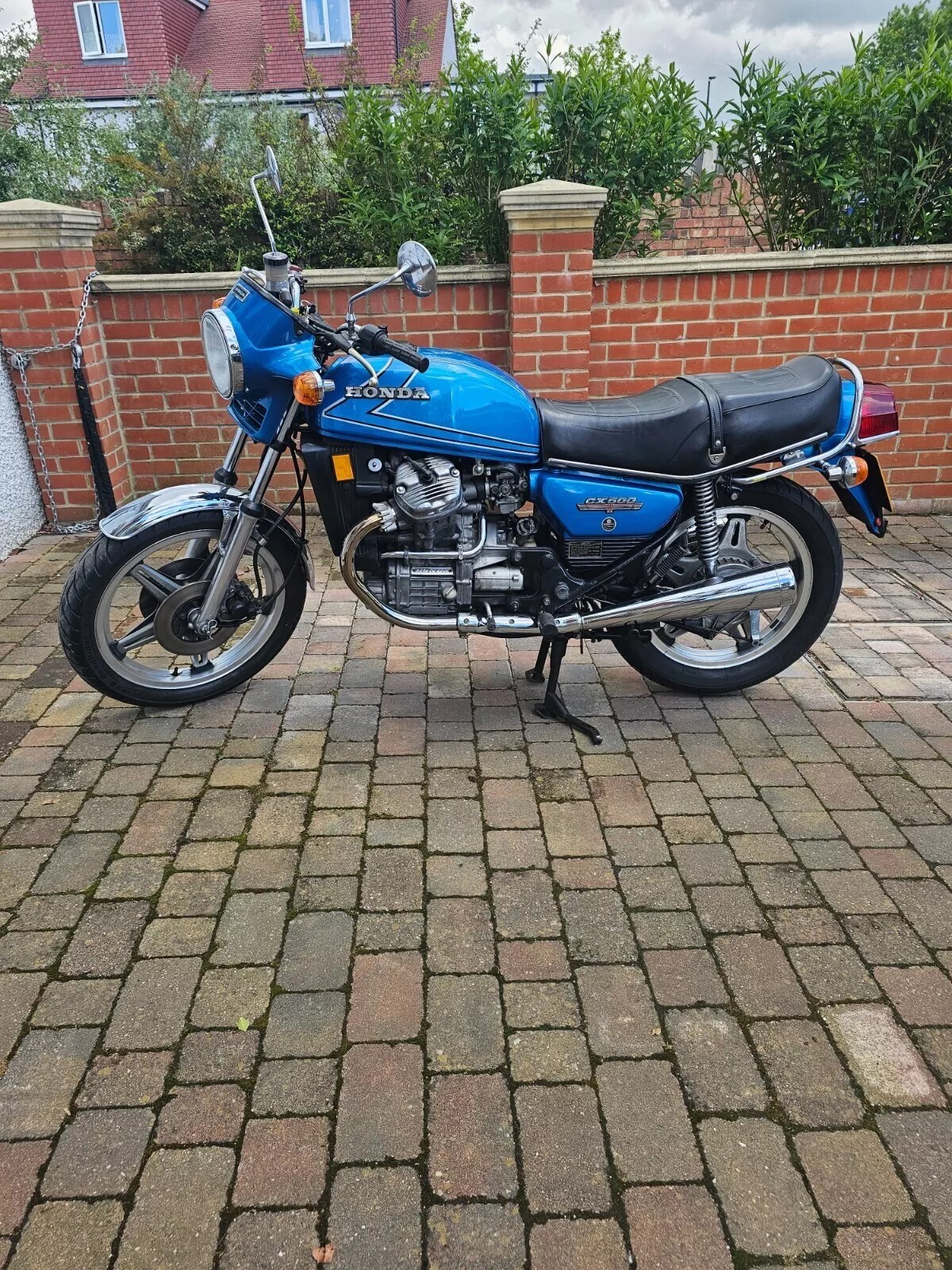
The 1980 Honda CX500 and CM400 represent a fascinating chapter in the evolution of Japanese motorcycles. Emerging at a time when the industry was dominated by sportbikes and traditional air-cooled fours, these models carved a distinct niche with their unique engineering and design philosophy. Yet, despite their technological innovations and commendable performance, both models have largely slipped into obscurity, overshadowed by flashier counterparts and more powerful machines. This raises an intriguing question: are the Honda CX500 and CM400 truly underrated gems in motorcycling history, or are they simply forgotten relics of a bygone era?
The Honda CX500, introduced at the dawn of the 1980s, was a departure from conventional motorcycle engineering. Instead of employing the ubiquitous inline-four engine, Honda opted for a 497cc longitudinally mounted V-twin, coupled with liquid cooling—an uncommon feature at the time. This layout reduced vibration dramatically and offered predictability and smoothness that owners deeply appreciated. The CX500’s shaft drive was another notable feature, eliminating chain maintenance and enhancing reliability, especially for riders seeking low-maintenance transport. Paired with a rugged steel frame and an air/oil cooling system, the bike struck a balance between innovation and practicality.
The CM400, often seen as a more accessible sibling to the CX500, occupied the middleweight category with a 395cc engine. Featuring an air-cooled parallel twin, the CM400 leaned into simplicity and commuter-friendliness. It encapsulated the ethos of efficiency and reliability that defined much of Honda’s engineering during the era. While it lacked the liquid cooling and shaft drive of the CX500, the CM400 was light, nimble, and economical—qualities that endeared it to urban riders and beginners alike.
Exploring the design aesthetics of these motorcycles reveals more about their subdued market impact. The CX500 sported angular lines influenced by the emerging modernist styles, yet retained a conservative posture, which made it blend rather than stand out in showrooms. The instrument cluster, seat design, and fuel tank dimensions were understated, prioritizing function over flamboyance. This contrasted sharply with the aggressive styling prevalent among competitors in the early ’80s, such as the Kawasaki GPz series or Suzuki GS models, which dazzled buyers with sportbike aggression.
The CM400 embraced a similar utilitarian look but with a more classic cruiser influence, particularly in its CM400T twin variant. Its approachable styling invited new riders without intimidating them, yet it lacked the pizazz that often captivates the motorcycle community’s passionate enthusiasts. This subtlety contributed to its slower capture of the imagination among the motorcycle faithful.
Performance-wise, the CX500 was no slouch. With approximately 50 horsepower and a robust torque curve, it excelled in smooth acceleration and highway stability. The bike’s low center of gravity, derived from the V-twin configuration and the longitudinal engine placement, contributed to excellent handling characteristics. Ride quality was markedly comfortable, as the suspension system absorbed road imperfections effectively, making it a competent long-distance machine. Meanwhile, the shaft drive ensured cleanliness and enhanced durability on extended journeys, essential for touring riders.
Conversely, the CM400’s smaller displacement and lighter frame translated to a bike that excelled in urban environments. It was quick enough to navigate city streets and easy to manage for novice riders. The absence of liquid cooling and shaft drive was offset by simplicity and mechanical accessibility, allowing owners to perform routine maintenance without specialized knowledge. This made the CM400 an attractive proposition for riders seeking affordable transportation or a platform to develop their mechanical skills.
Technological innovations embedded within the CX500 and CM400 played a critical albeit understated role in their legacy. Honda’s decision to implement a liquid cooling system on the CX500 acknowledged the need for improved thermal management in the face of rising performance expectations. This foresight would become standard in later generations of motorcycles. The adoption of the shaft drive was equally visionary, especially for the touring segment, where chain maintenance is often viewed as cumbersome. For the CM400, reliable carburetion systems and air cooling emphasized time-tested simplicity over experimentation.
Yet, perhaps one of the most compelling reasons for revisiting these motorcycles lies in their enduring versatility. The CX500 served as a base for various customizations, from cafe racers to adventure tourers. Its robust frame and accessible engine layout allowed enthusiasts to tailor the bike to diverse riding styles and aesthetics. The CM400, similarly, was a canvas for many riders who sought an affordable platform to explore their motorcycling creativity. Both motorcycles exhibited notable resilience and adaptability, traits that have only become more appreciated among collectors and aficionados in recent years.
The question of why the CX500 and CM400 faded into comparative obscurity can be partly attributed to the motorcycle market dynamics of the 1980s. The flourishing sportbike segment, featuring machines that delivered higher horsepower figures and exotic styling, captured the spotlight. Moreover, marketing strategies often emphasized top-end performance and cutting-edge technology, sidelining pragmatic and utilitarian models. As consumer tastes shifted toward performance and image, the steady reliability and balanced engineering of the CX500 and CM400 were perceived as less thrilling.
In the contemporary context, these models have started to garner renewed interest. Vintage motorcycle enthusiasts increasingly recognize their value, not just as relics but as practical, enjoyable machines that embody a unique engineering philosophy. The CX500’s shaft-driven drivetrain makes it an appealing choice for riders who desire nostalgic vibes without the maintenance headaches of chain-driven bikes. The CM400 remains attractive for its ease of use and charming simplicity. Restoration projects and custom builds featuring these motorcycles highlight their timeless appeal and underline the notion that they were perhaps undervalued in their heyday.
Ultimately, the 1980 Honda CX500 and CM400 offer a fascinating case study in how innovation, design, and market forces interplay to sculpt the legacy of a motorcycle. Far from being mere footnotes, these models exemplify an engineering pragmatism and rider-centric philosophy that continue to resonate. Whether regarded as underrated or simply forgotten, their contribution to motorcycling history is undeniable, inviting a reevaluation of their place within the pantheon of classic motorcycles.