The 1991–1992 Harley FXR stands as a paragon of motorcycle engineering, revered far beyond its years for attributes that transcend mere specifications. At first glance, it might be seen simply as another link in the storied lineage of Harley-Davidson motorcycles—yet beneath the surface lies a machine that continues to captivate riders with a unique blend of performance, design ingenuity, and visceral riding experience. This enduring allure sparks curiosity: why does the FXR still command such admiration decades after its initial release? To understand this, one must delve into the intricate interplay of its mechanical brilliance, cultural significance, and the emotional resonance it ignites among enthusiasts.
The FXR series debuted in the early 1980s as Harley-Davidson’s answer to bridging the gap between the heavyweight tourers and the agile sportsters. By 1991, the FXR had matured into a motorcycle that synthesized the best of both worlds. Its chassis was a marvel, featuring a rubber-mounted engine system that dramatically reduced vibration—an innovative solution at the time that markedly enhanced rider comfort. This meticulous attention to ride quality set the FXR apart from contemporaries, where harsh vibes often marred the riding experience.
Perhaps the most celebrated aspect of the 1991–1992 FXR is its frame architecture. Crafted with precision and constructed with high tensile steel, the FXR frame was a blueprint of engineering foresight. It produced an ideal balance of rigidity and flexibility, enabling superb handling dynamics rarely associated with hefty cruisers. Riders repeatedly note the nimbleness of the FXR, often describing it as possessing a confidence-inspiring agility that invites spirited riding through corners without sacrificing cruiser comfort.
The powerplant deserves equal acclaim. Housing a 1340cc Evolution motor, the 1991–1992 FXR went beyond the cosmetic changes prevalent in many motorcycles of its era by delivering reliable and consistent performance. The Evolution engine marked a pivotal evolution for Harley-Davidson itself—ushering in a new era of cleaner, more efficient, and smoother-running V-twins. This motor became synonymous with dependability while retaining the characteristic Harley rumble cherished by purists. Its carburetor set-up, combined with the motor’s robust torque curve, lent the FXR an engaging throttle response, which many modern riders find refreshingly analog in a digital age.
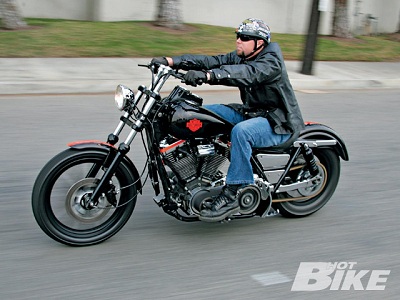
Another factor cementing the FXR’s beloved status is its adaptability. Over the years, this platform has become a canvas for customization unmatched by most of its peers. The FXR’s structural integrity allows for extensive modifications—from performance enhancements to aesthetic overhauls—without compromising its fundamental character. This versatility caters to a wide spectrum of riders, from those seeking the authentic factory experience to custom builders crafting bespoke choppers and café racers. The FXR’s capacity to remain both stock and a modder’s dream underlines its timeless relevance.
Beyond raw mechanics and customization potential, the 1991–1992 FXR evokes a potent blend of nostalgia and identity. It occupies a liminal space in Harley-Davidson’s history—a bridge between the boom years of the 1980s and the resurgence of American muscle bikes in the 1990s. For many, owning or riding an FXR is a pilgrimage to a golden era of motorcycling, where mechanical simplicity and rider involvement were paramount. This connection transcends utility; it is a ritualistic embrace of a motorcycle that demands attention and respect.
More than just a machine, the FXR embodies a philosophy. It is emblematic of a time when motorcycles were as much about the journey as the destination, fostering an immersive relationship between rider and road. The finely tuned chassis and engine invite the rider to engage intuitively with the machine, where inputs translate fluidly into responses. This symphony of control imbues the FXR with a personality, a palpable spirit that forges a bond rarely witnessed in contemporary motorcycles dominated by electronic aids and automation.
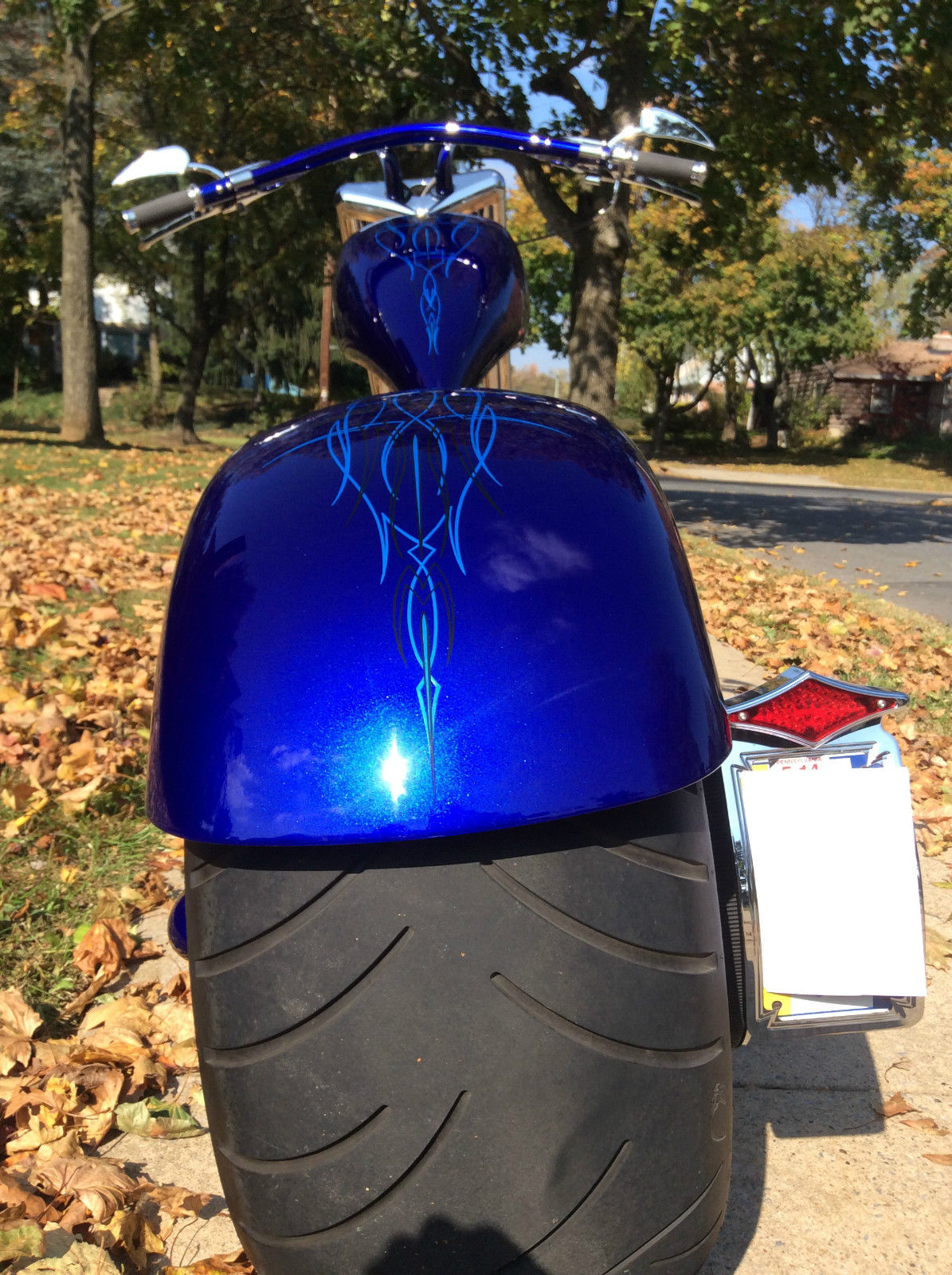
The aesthetic appeal of the 1991–1992 FXR cannot be overstated. Its design strikes a careful balance—it is neither ostentatious nor understated, but rather evocative and purposeful. Clean lines, classic Harley-Davidson proportions, and a muscular yet refined stance make it visually arresting. Paint schemes and detailing from this period often highlight the bike’s sculptural qualities, showcasing Harley’s willingness to invest in artistry alongside engineering. Its appearance alone serves as a beacon for those drawn not just to performance but to motorcycles as objects of cultural significance.
Community and camaraderie also fuel the FXR’s enduring mystique. Enthusiasts around the world have formed dedicated clubs and gatherings celebrating this particular model, fostering a shared identity rooted in appreciation for its distinct qualities. Through rallies, shows, and online forums, the FXR has transcended its physical form to become a symbol of brotherhood and passionate dedication. This social dimension imbues the bike with life beyond the metal and rubber, enriching the ownership experience with stories, memories, and collective pride.
In retrospection, the 1991–1992 Harley FXR endures not merely because it checks all the boxes of a classic motorcycle, but because it encapsulates something far more elusive—a harmony between engineering excellence, emotional resonance, and cultural context. Riders are not simply enamored by its specifications; they are captivated by the underlying ethos the FXR represents. It is a machine that compels you to slow down, to feel every nuance of the ride, and to revel in the timeless charm of motorcycling as an art form.
Ultimately, the continued affection for the FXR reflects a deeper human yearning for authenticity and connection. In an era increasingly defined by complexity and electronic mediation, the FXR’s raw, honest character remains a beacon for those craving a pure and unfiltered motorcycling experience. This profound allure ensures that the 1991–1992 Harley FXR will not simply be remembered—it will be cherished, ridden, and revered for generations to come.