The early 1990s stood as a pivotal era in the evolution of sport motorcycles, typified by technical leaps and an insatiable zeal for speed and precision handling. Among the era’s most enduring icons are the 1993 Suzuki GSX-R750 and its mightier sibling, the GSX-R1100. Both exhilarating machines, each has carved a distinct niche in the annals of motorcycling history. Enthusiasts and riders frequently find themselves pitted between these titans, debating not just specifications and raw power but the intangible qualities that define their allure. What distinguishes the GSX-R750 from the GSX-R1100, and which one ultimately captures the quintessence of the sportbike experience? This comparison delves deep, revealing not only technical facets but also the profound reasons behind their continued fascination.
The 1993 Suzuki GSX-R750 has long been heralded as a paragon of balance and agility. It occupies a unique crossroads where power and nimbleness intertwine, making it a favorite among those who prize versatility without sacrificing exhilaration. The 750cc inline-four engine churns out a thrilling powerband, adept at delivering razor-sharp throttle response and a spirited surge. Its lighter frame and compact dimensions contribute to a chassis that can carve corners with remarkable precision. This machine embodies the ethos of a pure sportbike: razor-edge handling, relatively light weight, and a power-to-weight ratio that invites aggressive riding.
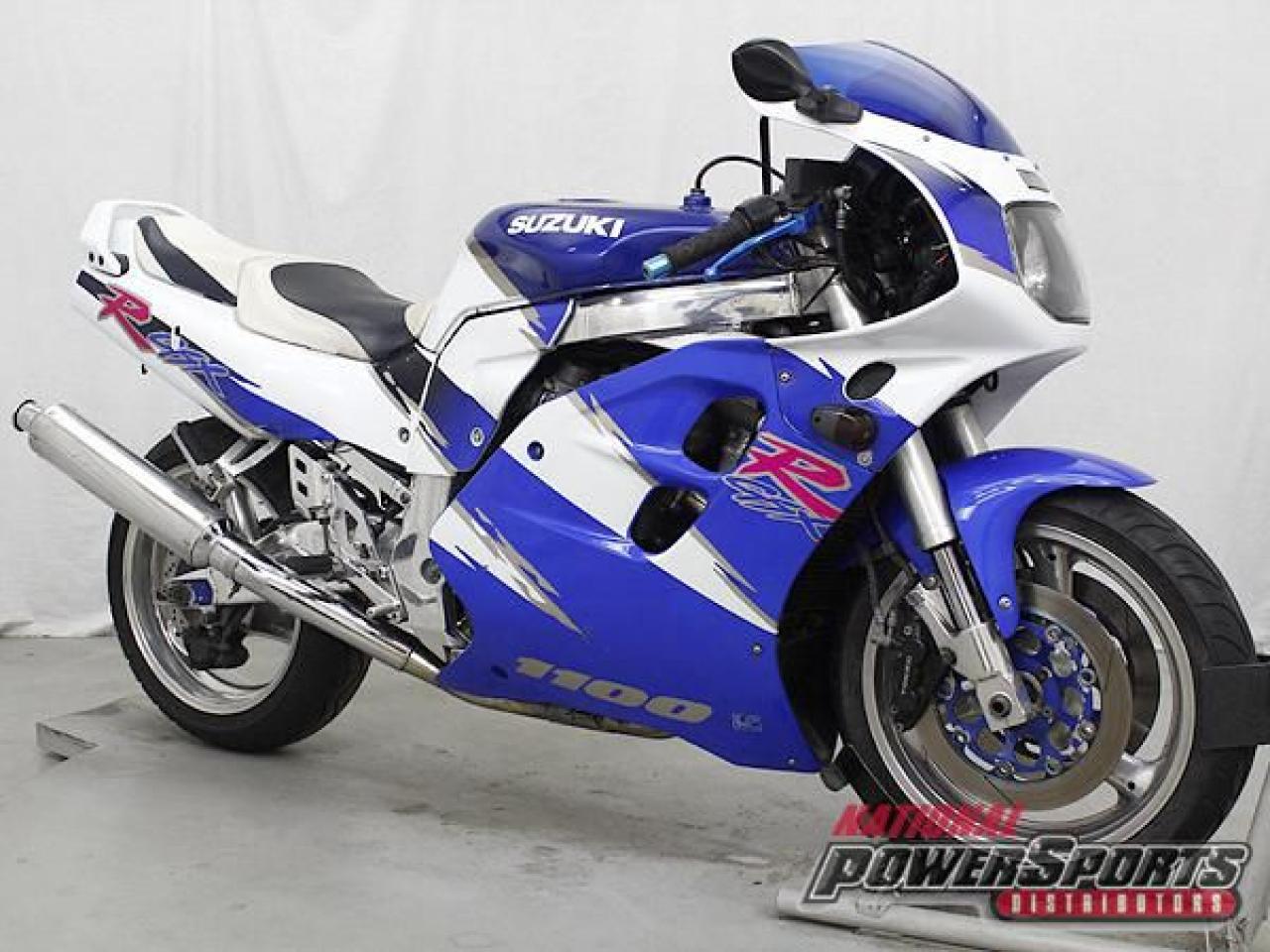
In contrast, the 1993 GSX-R1100 asserts itself as a behemoth of brute force. Its 1100cc mill is a testament to Suzuki’s engineering prowess, unleashing prodigious amounts of torque and horsepower that translate into breathtaking straight-line acceleration. The machine’s larger displacement affords it an unshakable presence—something that resonates deeply with riders who relish commanding authority on the road or track. Yet this power is a double-edged sword. The heftier frame and greater curb weight, compared to the GSX-R750, make it less nimble in tight corners, yet it compensates by providing stability and composure at higher velocities. It is a motorcycle that demands respect, rewarding those who can harness its untamed vigor with exceptional performance.
One can’t overlook the technological nuances that set these two apart. The GSX-R750 of 1993 benefits from Suzuki’s ongoing refinement of lightweight materials and advanced suspension geometries, which coalesce into an agile riding experience. Its suspension setup—comprising high-quality telescopic forks and a mono-shock rear—strikes a harmonious balance between compliance and stiffness, fostering confidence during aggressive cornering and highway cruising alike. The GSX-R1100, while leveraging some similar technology, faces the challenge of taming its higher power output within a more substantial frame, leading to a suspension setup optimized for stability, but sometimes at the expense of razor-sharp feedback.
When exploring braking dynamics, each motorcycle showcases advancements emblematic of early 1990s sportbikes. The GSX-R750 often features dual front discs paired with a single rear disc, delivering quick and predictable stopping power essential for spirited riding. Meanwhile, the GSX-R1100, burdened by higher speeds and increased momentum, boasts larger front discs intended to dissipate heat efficiently and offer sustained stopping prowess during more demanding riding conditions. This distinction underscores a broader theme: the 750 is tailored for agility and precision, while the 1100 leans towards commanding control under intense stress.
Ergonomics and rider positioning further deepen the divergence between these motorcycles. The GSX-R750’s layout promotes a sport-leaning stance, inviting the rider into a forward-thrust posture that enhances chassis feel and aerodynamics. Its compact seat and tapered tank yield an intimate connection between rider and machine. Conversely, the GSX-R1100, though still decidedly sport-oriented, offers a somewhat more accommodating setup. The seat, slightly more generous, combined with a more relaxed handlebar reach, assists in mitigating rider fatigue during extended rides—a necessary concession given the muscle this bike channels. This ergonomic dichotomy subtly influences rider preferences, with the 750 alluring those who prioritize track-day excitement, and the 1100 appealing to riders craving a blend of speed and endurance.
The auditory experience of each machine also reveals layers of character that transcend mere specifications. The 750’s engine emits an agile and higher-pitched wail, suggestive of its smaller displacement and spirited revving capabilities. It’s a siren call that stirs rider adrenaline at every twist of the throttle. The 1100, by contrast, resonates with a deep, throaty growl—an auditory manifestation of its raw grunt and muscular delivery. This difference not only reflects technical distinctions but taps into the emotional core of motorcycling: sound as a visceral connection between rider and machine.
Beyond mechanics and specifications lies a more profound allure—why is there a sustained fascination with two motorcycles so different in displacement and demeanor? The answer speaks to the intrinsic values held by riders. The GSX-R750 represents precision and finesse, an instrument for those who savor the delicate ballet of cornering and balancing speed with control. It invites an intimate dance with physics, where small inputs yield immediate rewards, and the art of riding is elevated to a nuanced craft.
In contrast, the GSX-R1100 symbolizes power and dominance, an unrepentant expression of raw energy and boldness. It resonates with riders drawn to the visceral thrill of overwhelming acceleration and the imposing stature of a machine that challenges both rider and road. The 1100 invites mastery through sheer force, rewarding courage and skill with a ride that feels monumental and exhilarating.
Deciding between the two often hinges on more than just numbers—it involves evaluating the ethos each bike embodies, and which resonates more intimately with the individual’s riding aspirations. Will it be the nimble, razor-sharp precision of the GSX-R750, suited for carving twisty roads and mastering technical tracks? Or does the magnetism of the GSX-R1100’s unyielding power and commanding presence on open highways captivate more profoundly? This decision is not simple because both machines excel in realms the other may not fully inhabit.
In conclusion, the 1993 Suzuki GSX-R750 and GSX-R1100 offer distinct yet equally compelling interpretations of sportbike excellence. The GSX-R750 is a paragon of balance and agility, crafted for riders who cherish finesse and tactile feedback. The GSX-R1100 stands as a monument to muscularity and endurance, appealing to those who crave unrelenting power and a commanding riding experience. Understanding the subtleties that delineate these two allows riders to appreciate not just their mechanical qualities but also the deeper reasons behind the lasting passion they inspire. Ultimately, both models underscore the rich diversity within the sportbike domain and why Suzuki’s GSX-R lineage remains a cornerstone of motorcycle heritage and rider admiration.