When contemplating the landscape of cruiser motorcycles from the mid-1990s, the 1996 Kawasaki Vulcan series emerges as a compelling subject of study, particularly the Vulcan 800 and Vulcan 1500 models. These motorcycles epitomize the era’s profound dedication to blending classic cruiser aesthetics with burgeoning technological advancements. The Vulcan line has long captivated enthusiasts, yet the distinctions—and occasional confusions—between the 800 and 1500 models offer fertile ground for exploration. What lies beneath the surface of their shared lineage is a nuanced dialogue about power, character, and rider connection, factors that turn mere transportation into visceral experience.
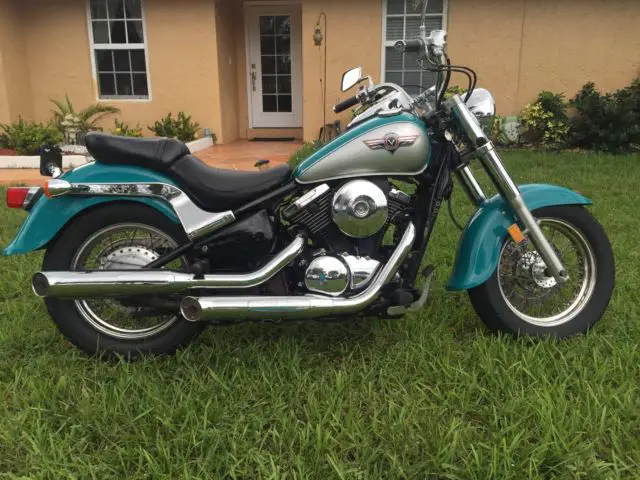
At the heart of the fascination between the Vulcan 800 and Vulcan 1500 is a subtle interplay of engineering philosophies. The Vulcan 800, introduced as a middleweight in Kawasaki’s cruiser portfolio, caters to riders seeking a balance between manageable size and respectable power. Its liquid-cooled 805cc V-twin engine is tuned for both responsiveness and reliability, delivering an approachable yet potent performance. The relatively lighter chassis ensures agility, making it an attractive proposition for urban commuting and spirited weekend rides alike.
Contrastingly, the Vulcan 1500 embodies a more robust ethos, appealing to those who prioritize torque and long-haul comfort. Powered by a 1470cc V-twin engine, it exudes a commanding presence both in aesthetics and on the road. The increased displacement translates into more substantial low-end grunt, ideal for effortless highway cruising and pillion travel. However, this additional mass comes with trade-offs—namely in maneuverability and nimbleness—elements where the Vulcan 800 excels.
Examining the stylistic elements reveals a shared lineage reminiscent of classic American cruisers, with sweeping lines, substantial fenders, and an emphasis on chrome accents. The Vulcan 800 adopts a slightly minimalist approach, emphasizing sleekness and ease of handling, while the Vulcan 1500 luxuriates in broader dimensions and a more imposing stance. The ergonomic designs respect rider comfort with plush seats and forward-set foot controls; yet, subtle differences in handlebar design and seating position tailor each model towards distinct rider preferences.
One cannot overlook the psychological allure that these motorcycles wield. The Vulcan 800 beckons with promises of freedom rooted in accessibility—an invitation to newbies and seasoned riders alike to explore without intimidation. Its lighter frame and moderate power strike a compelling balance, serving as a gateway drug of sorts into the cruiser realm. On the other hand, the Vulcan 1500 resonates with the seasoned aficionado yearning for that visceral connection to engine torque, the thunderous rumble beneath that echoes the call of the open road. This divergence in experiential appeal underscores the deeper reasons for motorcyclists’ enduring fascination.
Technical comparisons reveal further nuances. The 1996 Vulcan 800 features a 5-speed transmission and advanced liquid cooling, ensuring consistent performance across varying climates. Its suspension system, carefully calibrated, strikes a middle ground between comfort and sportiness. Meanwhile, the Vulcan 1500’s drivetrain, with its larger displacement engine, is complemented by a slightly more robust chassis and cushioned suspension, designed to absorb the rigors of extended rides with passenger or cargo. These specifications affirm that each model is optimized for distinctive use cases within the cruiser spectrum.
Performance metrics, while often quantified numerically, invite more subjective interpretations as well. The Vulcan 800’s nimble nature encourages carving through twisty roads and quick accelerations from stoplights, cultivating a sense of spirited engagement. On extended journeys, riders may appreciate its economy and agility, though limited wind protection can occasionally detract from long-distance comfort. Conversely, the Vulcan 1500’s ample torque and stability provide serene highway cruising with less rider fatigue, marked by a signature deep exhaust note that enhances the sensory experience.
The cultural impact of these machines must not be understated. Both motorcycles have cultivated dedicated communities and have appeared regularly in cruiser circles and motorcycle meetups, symbolizing individual freedom coupled with mechanical heritage. Their designs harken to distant American steel and chrome traditions, commanding respect while simultaneously offering an approachable platform for personalization and modification.
Moreover, the allure of the Vulcan 800 versus the 1500 confronts the perennial debate within the cruiser community: does one prioritize agility and accessibility, or power and presence? This dichotomy goes beyond mere specifications, touching on the rider’s identity and aspirations. It speaks to the broader narrative of motorcycling as a personal statement, a symphony of machine and human harmony, echoing philosophies from minimalism to muscular prowess.
In exploring these two motorcycles side by side, it becomes evident that the 1996 Kawasaki Vulcan 800 and 1500 serve as complementary facets of the cruiser experience. They cater to divergent yet equally passionate segments of enthusiasts, united by a shared desire to command the road in style and substance. This duality enriches the Kawasaki Vulcan’s legacy, offering a spectrum of expression—from nimble commuter to king of the highway.
Ultimately, the enduring interest in the Vulcan 800 and 1500 models encapsulates more than their metal and mechanics. It reveals a collective yearning for connection—to the machine, the road, and a culture that celebrates freedom and craftsmanship. The fascination endures not simply because these motorcycles exist, but because they embody the nuanced interplay of function and emotion that defines the essence of riding.