When the 1997 Harley-Davidson Dyna series rolled off the assembly line, motorcycle enthusiasts found themselves at a fascinating crossroads. Two models in particular—the Dyna Super Glide and the Dyna Wide Glide—garnered considerable attention, sparking ongoing debates that extend far beyond mere specifications and technical acumen. While on the surface these motorcycles may appear similar, a deeper examination reveals contrasts not only in design and performance but also in the philosophical underpinnings that draw riders to one over the other. This nuanced rivalry invites us to explore not just which machine “wins,” but why the yearning for these motorcycles transcends conventional judgment.
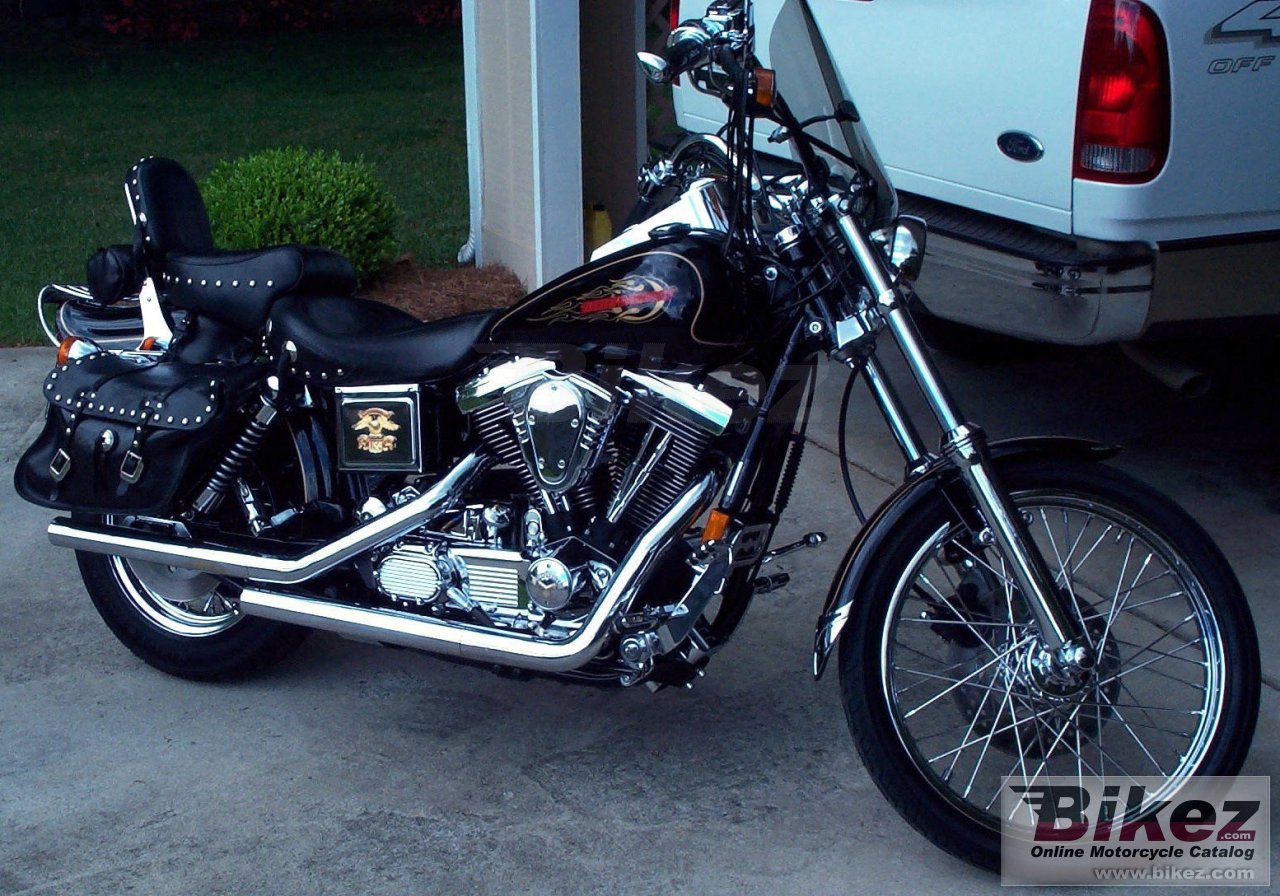
The common observation that often emerges when comparing the 1997 Dyna Super Glide with the Wide Glide relates to their aesthetic appeal and handling characteristics. At first glance, both motorcycles embody the raw spirit of Harley-Davidson’s classic cruiser lineage, yet they diverge in their visual presentation and rider experience. The Super Glide, with its streamlined profile and restrained design cues, exhibits a more subdued presence. In contrast, the Wide Glide boasts a pronounced rake and a more aggressive stance, signaling a bold personality. This dichotomy between subtlety and flamboyance speaks volumes about the rider’s psyche—conveying whether one gravitates toward understated power or flamboyant expression.
Underlying these design distinctions is the geometry of the motorcycles, a critical factor in their respective handling dynamics. The Wide Glide’s extended front fork and larger rake angle are not just superficial traits; they dramatically alter the steering response and stability. This configuration lends the Wide Glide a unique charisma on straight roads, where its sweeping lines ripple with undeniable confidence, inviting riders into a relaxed and unhurried cruising experience. Conversely, the Super Glide’s less aggressive rake angle imparts a more nimble and responsive handling character, making it better suited for maneuvering through twists and turns. The subtlety here speaks to a rider seeking control and immediacy over laid-back cruising elegance.
However, true aficionados of the 1997 Dyna series understand that handling is but one layer in a complex narrative. The engine—the heart of any motorcycle—is a pivotal point of comparison. Both models are propelled by Harley-Davidson’s robust Evolution V-twin engine, renowned for its torque-rich delivery and unmistakable rumble. Yet, nuances in tuning and exhaust design influence how this heart beats under each frame’s unique silhouette. The Wide Glide’s exhaust note often carries a deeper and more resonant timbre, echoing the motorcycle’s broader and more assertive persona. Meanwhile, the Super Glide’s engine delivers a crisper, slightly more refined sound—subtle but no less powerful—aligning with its elegant design ethos.
It is within these sonic distinctions that the motorcycles begin to speak a language of feeling, reminding us that the lure of a Harley is not solely about mechanical statistics but the profound emotional resonance of sound and sensation. This auditory element creates an almost ritualistic connection between rider and machine. The deliberate crack of throttle against Wide Glide pipes conjures images of open highways stretching endlessly, while the Super Glide’s measured exhaust notes whisper tales of urban exploration and intimate rides through backroads. Such nuances underscore Harley-Davidson’s ability to craft motorcycles that function as extensions of the rider’s identity.
Moreover, the seating position and ergonomics of these two machines further crystallize their divergent vocations. The Wide Glide, with its taller front end and broader handlebars, encourages a more laid-back, feet-forward posture, ideal for long-distance cruising and soaking in the journey. It invites contemplation and leisure, aligning with riders who embrace the motorcycle as a catalyst for freedom and self-reflection. The Super Glide, by contrast, offers a stance more centered and compact, providing enhanced control and a sense of immediacy in the riding experience. This difference appeals to those who prioritize spirited performance and the tactile feedback of the pavement beneath their tires.
This brings to light an often overlooked facet of the 1997 Dyna debate: the psychological and cultural symbolism embedded in model preferences. The Wide Glide often attracts riders who appreciate the classic chopper aesthetic, the homage to custom culture, and a lifestyle associated with effortless rebellion and nonconformity. Its exaggerated raked front end and wide-set handlebars are hallmarks of a bold visual statement. Meanwhile, the Super Glide embodies a subtler form of iconoclasm—melding tradition with measured innovation, appealing to riders who seek balance between performance and heritage without shouting for attention.
In terms of customization potential, both models serve as excellent canvases, but they inspire different creative impulses. The Wide Glide’s wide front end and extended lines provoke transformations that amplify its theatricality—tank graphics, ape hangers, and bold chrome accessories turn it into a rolling statement piece. The Super Glide, with its more compact proportions, invites tasteful enhancements that refine its character rather than redefine it. Collectors and builders often praise the Super Glide for its versatility, as it can be molded into a sleek bobber, a café racer influenced cruiser, or even a minimalist street machine without losing its intrinsic charm.
Fuel economy and maintenance are pragmatic considerations where differences blur into nuances. Both bikes are powered by similar drivetrains and share maintenance intervals common to Evolution V-twins, making them equally approachable for riders conscious of upkeep. However, those attuned to riding style may find the Super Glide’s lighter feel and quicker responsiveness more suited to daily commuting, while the Wide Glide’s substantial presence favors weekend escapades and leisurely touring.
Ultimately, the question of which motorcycle “wins” between the 1997 Dyna Super Glide and Wide Glide transcends mere factual comparison. It asks us to consider the broader context of motorcycling as an expression of self, cultural narrative, and personal philosophy. The intrinsic allure of these machines lies in their ability to channel individual rider identities through distinct interpretations of Harley-Davidson’s storied design language. Whether one gravitates toward the poised agility of the Super Glide or the commanding bravado of the Wide Glide, the deeper fascination remains rooted in what these motorcycles symbolize: freedom crafted in steel, sound, and silhouette.
In the end, the dichotomy between the 1997 Dyna Super Glide and Wide Glide reflects a much larger truth about motorcycling itself—its magnetism is not strictly logical. It thrives on passion, perception, and the timeless allure of the open road. Neither model definitively outshines the other; both triumph in evoking different facets of that same motorcycle spirit. For those drawn into the orbit of these Dynas, the enduring question is less about victory and more about discovery—finding which machine resonates with the beat of one’s own journey.