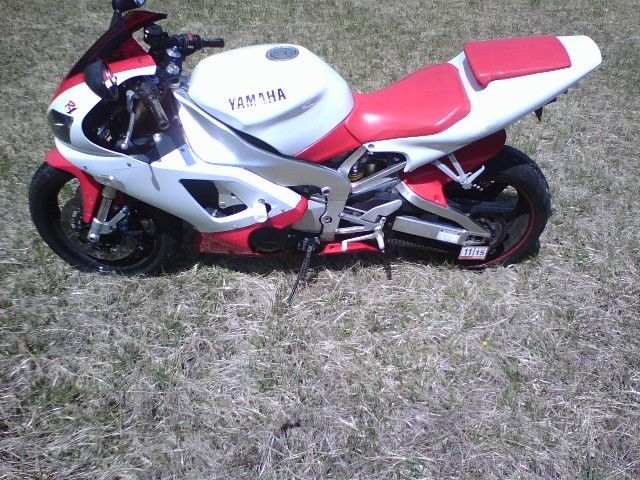
In the ever-evolving universe of superbikes, few machines have sparked a revolution with the audacity and brilliance of the 1998 Yamaha YZF-R1. Imagine a tempest captured in metal and rubber, a sleek predator that rewrote the rules of speed and agility. This bike did not merely enter the market—it roared onto the scene like a thunderclap ripping through a placid sky, heralding a new era of performance motorcycles that balanced raw power with nimble handling. To enthusiasts and casual observers alike, the 1998 Yamaha R1 manifested as an alchemical blend of technology, engineering prowess, and visionary design. It was a paradigm shift embodied in a machine.
The late 1990s marked a crucible period in superbike development, with manufacturers vying fiercely for supremacy on racetracks and highways globally. Amid this intense competition, the Yamaha YZF-R1 emerged not just as another contender but a trailblazing icon. The very essence of this bike was encapsulated in its revolutionary engineering—a no-compromise amalgamation of a compact but potent powerplant fused with an ultra-lightweight chassis. This synergy yielded a motorcycle that was as much about precision and control as it was about blistering speed.
At the heart of the 1998 Yamaha R1 lies its 998cc inline-four engine, a marvel that beat with a ferocity likened to a relentless beast unleashed. Unlike its contemporaries, the R1’s mill was designed with a short-stroke configuration, elevating its redline and allowing for an almost ethereal power delivery, shimmering with revs that seemed to defy gravity. The engine generated a staggering power output for its time, yet it was the harmonious orchestration of this might with balanced mass centralization that truly set the R1 apart. Every component, from its forged pistons to its optimized valve timing, was meticulously crafted to deliver a crescendo of performance that was both exhilarating and controllable.
To ride the 1998 Yamaha R1 is to harness a lightning bolt wrapped in aerodynamic silk. The bike’s chassis, a diamond-shaped aluminum twin-spar frame, was a revelation in rigidity and weight savings. It served as the skeletal backbone that allowed the superbike to dance through corners with astonishing agility. The lightweight frame coupled with a compact wheelbase gave riders an uncanny feeling of intimacy and command, as if the bike was a natural extension of their own body. This agility was no mere byproduct—it was a deliberate design philosophy that defied the assumption that raw horsepower had to be shackled by cumbersome frames.
Equipped with cutting-edge suspension technology for its era, the R1’s front inverted forks and rear mono-shock setup provided a sublime balance between comfort and razor-sharp responsiveness. The suspension absorbed imperfections on the road while maintaining composure through aggressive maneuvers, a characteristic that transformed long rides into poetic journeys and track days into controlled bursts of adrenaline. The bike’s brakes, boasting dual front discs and a single rear disc with robust calipers, delivered formidable stopping power, inspiring unwavering confidence even at breakneck speeds.
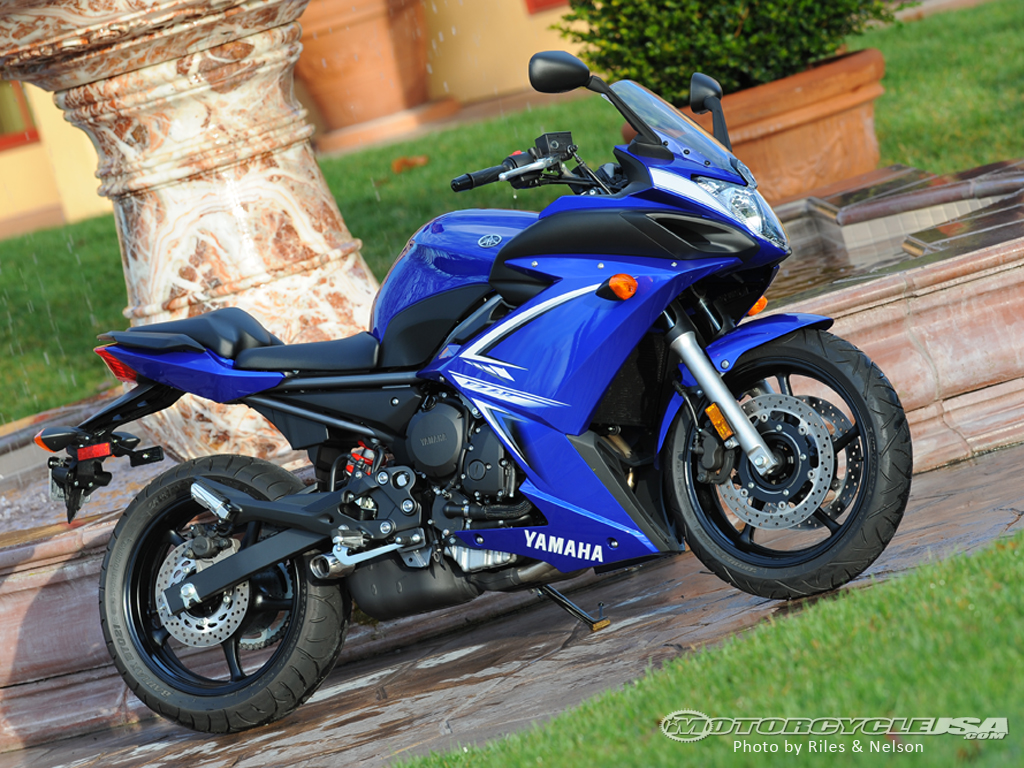
Visually, the 1998 Yamaha R1 was a masterpiece of aerodynamic artistry. Its aggressive yet sleek silhouette was reminiscent of a peregrine falcon poised to strike, streamlined to cleave through the air with minimal resistance. The minimalist yet purposeful fairings were not just aesthetic choices but functional components that enhanced high-speed stability. The compactness of the bodywork exuded a purposeful compactness, a tangible promise of the machine’s explosive capabilities hidden beneath its stylish veneer.
One of the unique appeals of the 1998 Yamaha R1 lies in its uncanny ability to bridge the gap between raw, unfiltered power and approachable rideability. While its contemporaries often teetered towards extremes—either brutally powerful but unwieldy, or gentle but uninspiring—the R1 struck a balance seldom seen before. It invited a diverse range of riders into its fold, from seasoned racers craving a weapon of precision to spirited street riders longing for an adrenaline rush without sacrificing control. This inclusiveness broadened the superbike community and inspired a new generation of performance motorcycle enthusiasts.
Technological advancement in the R1 was not limited to its mechanical aspects. The ergonomics of the machine were a testament to foresight and rider-centric design. Its seat, footpeg placement, and handlebar positioning were calibrated to foster a riding posture that was aggressive yet sustainable, reducing fatigue while maximizing engagement. This attention to detail ensured that the R1 was not just fast in a straight line—it was an extension of the rider’s intent, poised for every twist and turn.
The impact of the 1998 Yamaha R1 extended far beyond its technical specifications and aesthetics. It ignited a silent revolution that reshaped expectations and ambitions within the superbike hierarchy. This motorcycle set a precedent for future models, forcing competitors to rethink their strategies and raising the bar for performance, handling, and design. Moreover, it fostered a cultural shift, embedding itself into the collective consciousness of motorcycling aficionados worldwide as the benchmark of what a sportbike ought to embody.
In retrospect, the 1998 Yamaha YZF-R1 can be seen as both a culmination and a genesis—a pinnacle of 20th-century motorcycle engineering that simultaneously opened the door to new horizons of innovation. It was the thunderclap that shattered complacency, challenging what was thought possible in a superbike. To ride one today is to experience a living legend, a testament to the audacity of vision and the relentless pursuit of excellence. The R1 did not just change superbikes; it changed everything.