What makes a motorcycle not just a machine, but a companion for countless adventures—especially for those just dipping their toes into the world of motorcycling? The 1998 Yamaha V Star 650, also known by its model number XV650, elegantly tackles this challenge, earning its reputation as a beloved beginner cruiser. Its charm lies not only in its classic cruiser aesthetics but also in its user-friendly design and robust engineering, making it a quintessential choice for novices and seasoned riders alike.
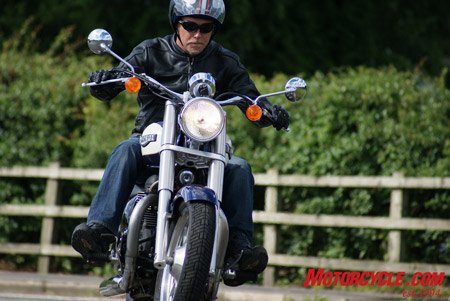
Right from the outset, the Yamaha V Star 650 captivates with a design that marries poise and practicality. This motorcycle channels the essence of American cruiser styling, with its low-slung profile, teardrop fuel tank, and wide, comfortable seat. The chromed accents and minimalist instrumentation panel evoke a timeless character while ensuring that the rider isn’t overwhelmed with complexity. The thoughtfully crafted ergonomics place the rider in a relaxed posture—feet forward and hands comfortably extended—which enhances control without sacrificing comfort. Could such classic styling also render the bike approachable for those still mastering throttle finesse? Indeed, the gentle curve of its silhouette invites a confident stance, mitigating the typical intimidation of stepping onto a motorcycle for the first time.
Underneath its alluring exterior, this venerable V-twin powertrain is a masterclass in balance and reliability. Displacing 649cc, the air-cooled, fuel-injected engine breathes smoothly and delivers a torque-rich performance that is responsive but never unruly. The nature of this engine is forgiving, avoiding the abrupt power surges that can unsettle novices. Instead, it provides a linear acceleration—ideal for building rider confidence on city streets and open highways alike. The engine’s dual-cylinder configuration also produces a distinctive burble, adding personality that resonates deeply with cruiser aficionados. Yet, could this soundscape be both a musical foreground and an auditory cue to mastering gear shifts and speed modulation for beginners?
When it comes to handling, the 1998 V Star 650 shines as a paragon of steadiness. With a curb weight just under 430 pounds and a relatively low seat height, mounting the bike feels less like a Herculean task and more like an invitation. The chassis is grounded by a double-cradle steel frame, which is both resilient and supple, allowing for nimble maneuvering in tight spaces and the absorption of road irregularities. Suspension duties are ably handled by telescopic front forks and twin rear shocks, offering a comfortable ride that smooths out urban potholes as easily as it manages highway undulations. But here lies an intriguing inquiry: can a cruiser of this vintage keep pace not only with its class but also with the evolving expectations of today’s beginner riders?
Equipped with a five-speed transmission and a wet multi-plate clutch, the V Star 650 maintains a mechanical simplicity that helps new riders focus on developing coordination rather than wrestling with complicated controls. The gearbox shifts crisply and predictably, lending itself well to those acquiring the fine motor skills necessary for smooth and safe riding. This synergy between engine and transmission substantially lowers the learning curve. Safety is further bolstered by the classic drum rear brake and front disc combination—a setup that offers predictable stopping power without demanding excessive hand strength. This balance in braking performance painstakingly addresses the potential challenges faced by beginners, such as panic stops and modulation under less-than-ideal conditions.
On the utility front, the Yamaha V Star 650 unabashedly embraces its cruiser roots with practicality. The fuel tank capacity, hovering around 3.2 gallons, extends riding range without making the bike feel bulky. Combined with its modest fuel consumption, this allows for longer outings and spontaneous weekend rides without constant fuel considerations. Furthermore, the bike’s fundamental simplicity renders maintenance accessible and affordable, an essential factor for new riders wary of the financial and mechanical complexities that motorcycles sometimes entail. Could it be that this motorbike’s user-centric approach to upkeep perfectly complements its beginner-friendly handling, making ownership both a joy and a breeze?
Yet, despite these manifold advantages, the V Star 650 is not without challenges. Its cruiser design inherently prioritizes straight-line comfort over aggressive cornering prowess or high-speed agility. For riders aspiring to quickly outgrow their beginner status and tackle twistier roads, this could present an intriguing crossroads. The bike encourages a style of riding that is steady and deliberate rather than frenetic. This characteristic serves as both a safeguard and a limitation, nudging beginners towards cultivating a mature riding mindset but potentially requiring a future upgrade for those craving sharper performance. Does this balance between encouragement and constraint make the V Star 650 not only a starting point but also a step in a lifelong motorcycling journey?
In conclusion, the 1998 Yamaha V Star 650 is a remarkable synthesis of classic cruiser charm and beginner-oriented functionality. Its approachable design, manageable power delivery, and forgiving handling collectively demystify the art of riding for novices. While it introduces a subtle challenge—inviting riders to grow within its steady, deliberate framework—it ultimately acts as a steadfast companion for those embarking on the exhilarating path of motorcycling. The real question remains: are you ready to embrace the ride that this iconic cruiser promises, with all its grace, reliability, and character?