In the sprawling tapestry of 1990s motorcycling culture, beginner bikes served as the cherished stepping stones for countless riders embarking on their two-wheel odysseys. Among these gateways to motorcycling mastery, two stalwarts stood out: the nimble Kawasaki Ninja 250 and the robust Suzuki Bandit 600. These machines were not merely vehicles; they were ironclad mentors, each with a signature cadence and character that left an indelible imprint on riders’ journeys. Exploring these iconic motorcycles is akin to comparing the pen strokes of two master calligraphers—both yielding elegant and meaningful results, yet unfolding in uniquely compelling ways.
Picture the Kawasaki Ninja 250 as a swift, lithe river trout darting through crystalline streams. This entry-level sportbike was crafted for agility and precision, delivering a lightweight package that embraced riders with an instinctive sense of control. The Ninja 250’s spirited 249cc twin-cylinder engine purred with an eager subtlety, offering enough performance to tease the hands and feet but never overwhelm. Its petite frame ensured it was approachable for novices, the low seat height serving as a comforting anchor amid the swirling dynamics of road and rider interaction. Its plastic-clad aerodynamic bodywork whispered promises of speed and finesse, further accentuated by its razor-sharp styling, which felt futuristic for the decade.
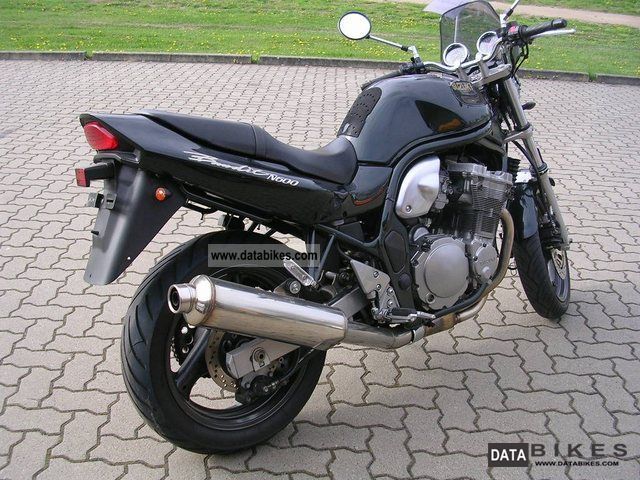
Contrastingly, the Suzuki Bandit 600 stood as a mighty oak amidst saplings—massive, dependable, and resonant with a different sort of wisdom. Launched with an air of purpose, the Bandit 600 was a naked streetfighter, an unapologetic blend of power and pragmatism. Underneath its muscular frame lay a 598cc inline-four engine, capable of churning out a thrust that beckoned riders to master the art of throttle modulation. The Bandit eschewed frivolous fairings for a raw, mechanical honesty that mirrored the straightforward, no-nonsense philosophy of many mid-90s motorcyclists. It was a bike that demanded respect, yet welcomed entry with a forgiving demeanor. The seat was broader, the suspension more robust, and the overall heft palatable, crafting an environment where beginner riders could cultivate confidence and control while feeling secure.

When evaluating the Ninja 250 and Bandit 600 through the prism of beginner-friendly virtues, their divergent personalities emerge as defining factors. The Ninja’s primary allure was its nimbleness; it could weave through traffic like a ribbon of silk floating effortlessly, an embodiment of youthful exuberance. This made it an exceptional choice for urban riding and learning the nuances of cornering with finesse. The compact dimensions and lighter weight meant the bike was less intimidating, granting students the opportunity to develop skills on a machine that was forgiving but also encouraged precision.
In contrast, the Bandit 600 offered a more substantial presence, as if instructing the novice to stand tall and embrace responsibility. Its engine was more potent, providing a taste of torque and acceleration that teased the rider into understanding power delivery and weight transfer. The Bandit’s upright seating position and wider handlebar gave a commanding view of the road—another metaphorical revelation of the observer’s role in the dance between rider and environment. The tactile feedback, from suspension to brakes, was more pronounced, cultivating a deeper mechanical empathy and ushering beginners into a sphere where skill transitioned from mere balance to mastery of machine temperament.
Beyond mechanical specs, the cultural aura surrounding these motorcycles enriched their appeal. The Ninja 250 formed the archetype of the attainable sportbike, carving a niche for those chasing the euphoria of speed without the burdensome size and complexity of larger motorcycles. It was a first love for many—a gateway into the adrenaline-fueled chapters of motorcycling lore. The Bandit 600, on the other hand, was a symphony of versatility, combining sporty heartbeat with everyday practicality. It was the motorcycle that bridged the chasm between beginner and seasoned rider, embodying the ethos of a rider who sought reliability without sacrificing excitement.
Stylistically, the Ninja 250 was a siren call to the aspirants of the sportbike scene—its silhouette sleek and reserved, yet alive with energy and movement even when at rest. The Bandit 600 wore its rawness proudly, the exposed mechanical elements conjuring images of an industrial artisan’s workshop, where function melds effortlessly with form. The visual and tactile dichotomy between fairing and nakedness echoed the differing philosophies—speed crafted through wind-cheating contours versus endurance forged by mechanical honesty.
From a practical perspective, each bike offered discrete advantages tailored to the variegated demands of novice riders. The Ninja 250 boasted superior fuel economy, low maintenance costs, and an enthusiastic aftermarket ecosystem that welcomed customization. Its smaller stature made it ideal for lighter riders and those with shorter inseams, reducing the intimidation factor frequently encountered in the beginner domain. The Bandit 600, blessed with more torque and a sturdier chassis, was better suited for riders who prioritized a more commanding presence and planned to graduate quickly into spirited weekend rides, sometimes even venturing beyond urban limits.
Neither machine was an unequivocal answer to the question of the perfect beginner bike. Instead, each offered a distinctive mentorship style: the Ninja 250 was the patient dance instructor, guiding with subtlety and grace; the Bandit 600, the seasoned dojo master, demanding respect and encouraging growth through challenge and reward. Choosing between them was a reflection of personal aspirations, physical compatibility, and the kind of motorcycling narrative the rider wished to author.
As the 1990s waned, the legacy of these models persisted, with many riders fondly recalling the initial tactile lessons and emotional breakthroughs these bikes provided. The Ninja 250 and Bandit 600 were more than stepping stones—they were crucibles in which riding philosophies were forged. Their resonance continues today, their stories etched into the mosaic of motorcycling history as embodiments of beginner empowerment and enduring appeal.
In the grand lexicon of beginner motorcycles, the 90s Kawasaki Ninja 250 and Suzuki Bandit 600 stand as eloquent verses—each distinct yet complementary, whispering the timeless truths of speed, control, and the ceaseless pursuit of riding exhilaration. Whether one is drawn to the whispering grace of the Ninja or the rugged song of the Bandit, both invite riders into a sanctuary of learning and adventure, a world where every twist of the throttle writes a new stanza in the poetry of the open road.