The remarkable allure of 2-cylinder 2-stroke engines lies not simply in their mechanical configuration, but in their intrinsic ability to merge raw power with compact efficiency. Observers often note the distinct roar and unyielding thrust that these engines produce, sparking curiosity beyond mere performance statistics. What is it that instills such fascination for these relatively small yet potent powerplants? The answer dwells in a confluence of engineering ingenuity, thermodynamic efficiency, and a distinctive operational cadence that sets them apart from other engine designs.
At the heart of a 2-cylinder 2-stroke engine’s appeal is the rhythmic cadence of power delivery, an elegant ballet of combustion events firing every revolution. Unlike the 4-stroke counterpart which completes a power cycle every two revolutions, 2-stroke engines deliver a power stroke on every downstroke of the piston. This inherently doubles the frequency of power impulses, leading to a more continuous and aggressive thrust. When combined with a twin-cylinder arrangement, the pulsations become evenly distributed, reducing vibration and enhancing smoothness—an effect that not only improves rider or driver experience but also allows for better power utilization and mechanical longevity.
The unique operational principle of 2-stroke cycles further accentuates their power density. With fewer moving parts, these engines forego components such as the camshaft, valves, and complex timing gears, resulting in lighter weight and reduced mechanical losses. This simplification translates directly to a higher power-to-weight ratio, an essential trait especially valued in applications like motorcycles, racing vehicles, and marine propulsion where weight savings and responsive acceleration dominate priorities.
Delving deeper into the thermodynamics, the scavenging process—the exchange of exhaust gases for a fresh air-fuel mixture—presents both challenges and advantages for 2-stroke designs. Proper scavenging is crucial to maintain engine efficiency by ensuring maximum cylinder filling while minimizing residual exhaust gases. The 2-cylinder configuration facilitates optimized tuning of intake and exhaust timing due to cylinder phase offsetting, effectively smoothing airflow and enhancing combustion stability. This delicate balancing act is often achieved through meticulously engineered porting techniques and resonant exhaust systems that harness pressure waves to improve cylinder filling, thereby pushing the boundaries of engine breathing.
From a mechanical perspective, distributing combustion events across two cylinders reduces thermal and mechanical stress on each cylinder, which can improve reliability and service intervals. The resultant effect is not merely a sum of two individual cylinders operating in parallel, but a synergistic compound increased by their precise synchronization. This synchronous operation dampens irregular torque fluctuations, delivering a steadier power curve that feels significantly more refined than might be anticipated from a high-revving two-stroke engine. This refinement feeds into the perception of power as not just raw magnitude, but deliverable and controllable force.
Moreover, the inherent design allows 2-cylinder 2-stroke engines to operate at higher revolutions per minute (RPM), unlocking enhanced horsepower from relatively small displacements. The simplified architecture supports rapid piston movement without the inertia penalties typically associated with complex valve trains. High-RPM operation broadens the engine’s usable power band, granting versatility in performance scenarios ranging from rapid acceleration bursts to sustained high-speed runs. This wide operational envelope complements the nimble dynamics required in motorsports or agile off-road endeavors.
The auditory signature of 2-cylinder 2-stroke engines adds another dimension to their compelling character. The rapidly recurring power strokes emit a distinct sound profile—sharp, aggressive, yet harmonically rich—that resonates as a visceral experience. This auditory feedback creates an emotional connection between user and machine, reinforcing the perception of mechanical potency. It’s no coincidence that enthusiasts often liken the engine’s growl to an animalistic burst of energy, embodying an untamed spirit channelled through engineering finesse.
Fuel delivery and combustion nuances also contribute to the engine’s potency. The simplicity of the two-stroke cycle allows for more immediate throttle response due to the reduced lag between intake and combustion. This immediacy is often perceived as heightened sensitivity and directness, particularly desirable in high-performance scenarios where split-second power modulation is pivotal. Coupled with advances in fuel injection and lubrication systems, modern iterations maintain reliability and reduce emissions, partially mitigating past disadvantages historically associated with two-stroke technology.
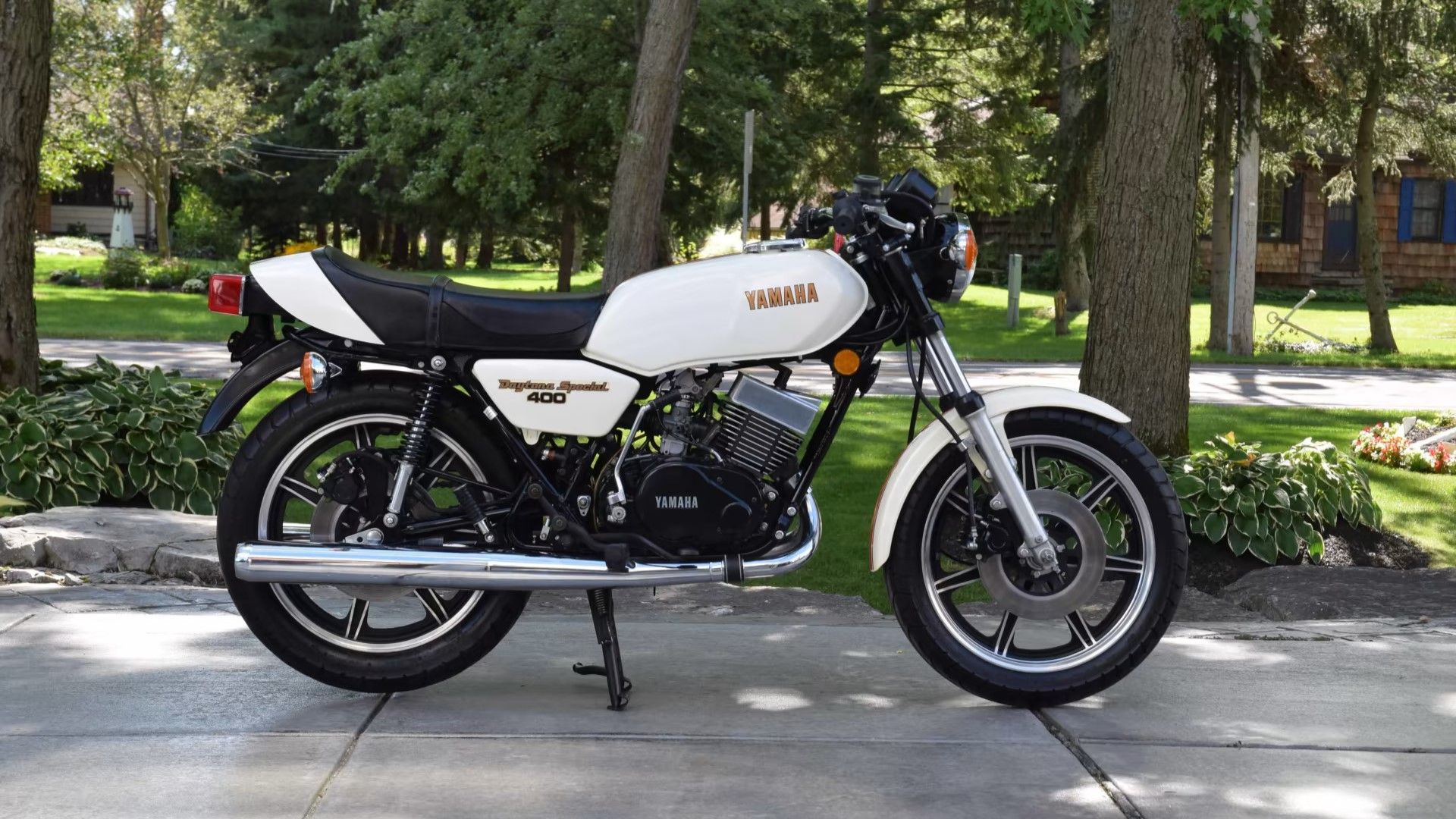
In addition, from a design and packaging viewpoint, 2-cylinder 2-stroke engines occupy a unique sweet spot. Their compactness permits mounting flexibility, enabling designers to optimize vehicle balance, center of gravity, and aerodynamics. This adaptability makes them ideal candidates for lightweight machinery where every ounce and inch matters deeply—such as dirt bikes, snowmobiles, and ultralight marine crafts. The engine’s combination of size, power, and simplicity often results in a more accessible platform for maintenance and tuning, appealing greatly to enthusiasts who favor hands-on modification and customization.
Despite the evolution of four-stroke engines and the rise of sophisticated electronic controls, the 2-cylinder 2-stroke engine still holds a celebrated position within engineering circles and among performance aficionados. Its enduring appeal can be attributed not solely to superior numerical performance but to the experiential qualities it delivers: a blend of visceral power, mechanical harmony, and a timeless connection to the primal roots of combustion machinery.
Ultimately, the fascination surrounding 2-cylinder 2-stroke engines is a testament to their multifaceted excellence. These powerplants transcend mere mechanical function, embodying a synthesis of tradition and innovation, brutality and precision. They compel respect not only for their ability to generate formidable power but for the intricate dance of engineering considerations that make that power accessible, engaging, and unforgettable. For those who understand their dynamics, these engines are more than machines—they are captivating expressions of kinetic artistry.