Riding a dirt bike is akin to harnessing a wild stallion—raw power bound by precision and care. Just as a horse requires the right feed and grooming to perform at its peak, a two-stroke engine demands meticulous attention to its oil-fuel concoction. The two-stroke oil mix ratio is the elixir that breathes life into the engine, lubricating every piston stroke and stave off the merciless friction that could degrade performance or spell mechanical demise. Navigating this delicate alchemy is both an art and a science, vital for riders who crave both durability and ruthless efficiency from their machines.
Two-stroke engines operate on a fundamentally distinct principle compared to their four-stroke brethren. By combining combustion and exhaust strokes into one revolution, these engines achieve a lightweight yet potent output. However, that efficiency comes with unique mechanical challenges. Unlike four-stroke engines that have dedicated oil reservoirs, two-strokes rely on a precise oil-fuel blend to lubricate their movable parts. This blend is not merely a set of numbers; it’s a tailored potion that influences engine temperature, power delivery, and longevity.
The “mix ratio” refers to the amount of two-stroke oil added to a specific volume of gasoline—typically represented as a proportion, such as 50:1 or 32:1. To the uninitiated, these figures might seem like cryptic incantations. Yet for the savvy dirt bike enthusiast, they are the keys to unlocking optimal machine performance. Opting for a lean mixture (higher gas-to-oil ratio) risks insufficient lubrication, leading to excessive wear or even catastrophic engine seizures. Conversely, a rich blend (more oil) can result in excess residue, fouled spark plugs, and diminished power output—effectively sabotaging the bike’s potential.
One must consider the engine’s specifications and the conditions under which it operates. Cold climates or demanding terrains often necessitate a richer oil mixture to combat heightened friction and lower temperatures. High-performance or older engines, which tend to have tighter tolerances and more wear, similarly benefit from enhanced lubrication. A standard ratio for many modern dirt bikes hovers around 40:1 or 50:1, but this can vary based on manufacturer recommendations and oil brand formulations.
Decoding the ideal mix calls for more than rote adherence to manufacturer’s guidelines. It is a dance involving engine age, fuel quality, oil viscosity, and riding style. For the weekend warrior shredding through muddy trails under the sun, a 40:1 mixture might deliver a robust balance: sufficient lubrication matched with clean burn characteristics. For the seasoned racer demanding throttle response and superior top-end power, experimenting with ratios in the 32:1 to 40:1 range can sharpen performance, provided vigilance is maintained for any signs of smoke or spark plug fouling.
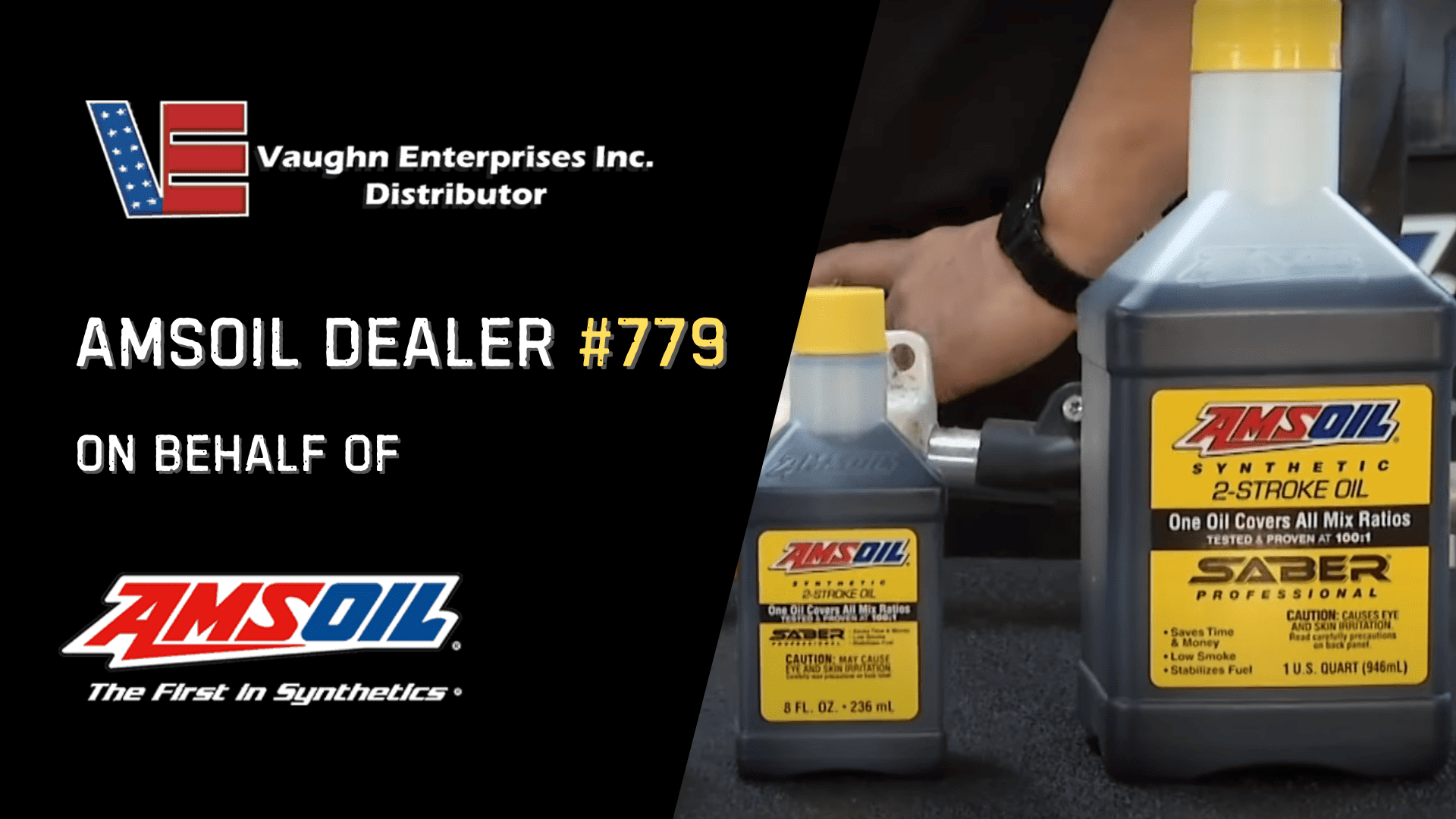
The choice of oil itself is a pivotal variable. Synthetic two-stroke oils have surged in reputation for their enhanced thermal stability, reduced deposit formation, and environmental friendliness compared to conventional mineral oils. They maintain their lubricating properties at high temperatures, enabling leaner mixtures without compromising engine protection. However, these high-tech formulations often come at a premium, prompting some riders to balance cost against performance needs.
Meticulous mixing technique cannot be overstated. Pouring oil directly into the gas tank without prior blending can lead to inconsistent distribution, risking uneven lubrication and erratic engine behavior. It is prudent to pre-mix oil and fuel in a separate container, ensuring thorough blending before filling the bike’s tank. This ritual, although mundane, is a cornerstone of engine reliability.
Furthermore, attention to fuel quality is a mirror to oil ratio precision. Ethanol-blended fuels, common at pumps worldwide, attract moisture and can corrode engine internals if left unchecked. Using fresh, high-octane gasoline and treating it with stabilizers can extend engine longevity and maintain combustion efficiency, indirectly complementing the oil’s protective role.
Over time, riders should monitor their engines for telltale signs of improper mixing. Excessive blue smoke is a clarion call of too much oil, while a faint smell of burning or unusual engine noise can indicate insufficient lubrication. Spark plug inspection can also yield clues; a oversaturated or carbon-caked plug signals oil-rich mixtures, whereas a burner-dry, white-plug tip suggests lean conditions. Armed with these diagnostics, riders transform their machines from mere vehicles into extensions of their own mechanical intuition.
In the grand theater of dirt biking, the two-stroke oil mix ratio is the silent maestro conducting the engine’s symphony of power and endurance. It is a variable charged with responsibility, influencing every revolution of the piston and whispering secrets of engine health. Mastery over this blend transcends mechanical understanding—it becomes a dialogue between rider and machine, a covenant ensuring the thrill of speed is never marred by preventable failure.
Ultimately, the best mix ratio is a bespoke solution, tailored to the rider’s unique demands, environmental conditions, and the mechanical idiosyncrasies of their dirt bike. Experimentation, vigilance, and a touch of reverence toward this blend transform every ride into a seamless fusion of man, machine, and nature’s rugged canvas. This alchemy—this perfect ratio—is the heartbeat that fuels adventure and cements the two-stroke engine’s revered position in the pantheon of off-road excellence.