When it comes to American sport motorcycles that blend raw power with aggressive styling, the 2000 Buell Lightning X1 and the M2 Cyclone occupy an intriguing space. Both models represent distinctive approaches to performance and handling, yet each carries unique characteristics that appeal to riders with specific preferences. Comparing these two motorcycles requires a close examination of their design philosophies, engine capabilities, riding dynamics, and overall usability, enabling enthusiasts and potential buyers to determine which model better suits their riding aspirations.
At first glance, the 2000 Buell Lightning X1 exemplifies an edgy, urban-inspired machine whose aggressive stance and minimalist bodywork communicate unyielding performance. The Lightning X1 was a trailblazer in its time, pioneering Buell’s philosophy of maximizing street performance without excess weight or unnecessary complexity. Its naked design flaunts an exposed trellis frame, showcasing mechanical components with a rugged aesthetic that appeals to riders looking for a statement bike. By contrast, the M2 Cyclone introduces a different flavor to the performance streetfighter segment, blending more traditional cruiser elements with sportbike agility, aimed at delivering a balanced experience between power and comfort.
Central to any motorcycle comparison lies the engine performance and mechanical architecture. The Buell Lightning X1 is driven by an air-cooled, 1203cc V-twin engine derived from Harley-Davidson’s Sportster platform but extensively tuned for higher output. The engine’s ability to produce around 88 horsepower at relatively high RPMs situates the X1 firmly in the sportbike category, with an emphasis on responsive throttle and spirited acceleration. This tuning, combined with Buell’s innovative use of lightweight materials, results in a machine that delivers exceptional power-to-weight ratio and nimble handling characteristics uncommon in entry-level liter-class motorcycles of the era.
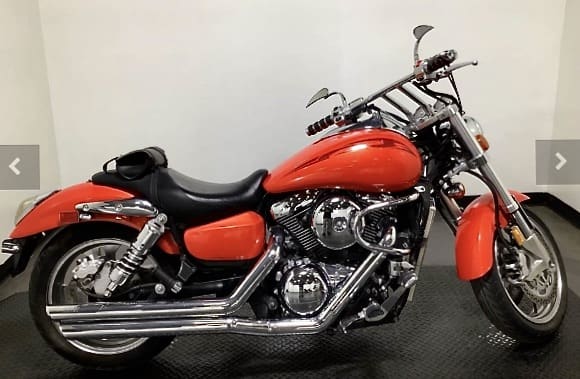
On the other hand, the M2 Cyclone utilizes a comparably sized V-twin powerplant but typically offers a more relaxed power band. Often equipped with a twin-cylinder engine optimized for mid-range torque rather than outright peak horsepower, the Cyclone favors cruising versatility and paralleled stability. Its engine character caters to riders desiring smooth incremental power delivery and reliability over aggressive performance thresholds. Whereas the Lightning X1 primes to thrill with its sharp responsiveness, the M2 Cyclone prefers a well-rounded role, balancing spirited bursts with endurance and comfort.
Beyond the engines, frame construction and chassis design heavily influence rider experience and handling finesse. The Lightning X1 boasts a perimeter frame combined with a mass-centralized design ethos. Buell invested in reducing unsprung weight and optimizing suspension geometry, employing inverted front forks and a monoshock rear suspension to sharpen cornering precision and feedback. This engineering translates into a bike that carves through winding roads with confidence, showcasing agility that belies its muscular engine. The lightness and compactness give riders an explosive connection to the road, heightening the thrill factor.
Conversely, the M2 Cyclone emphasizes structural robustness and rider comfort, rooted in a more conventional steel frame architecture. Its suspension setup usually caters toward absorbing varied road conditions with a bias toward stability rather than razor-sharp handling. Wide handlebars and a more upright seating position afford exceptional control on longer rides and ease fatigue, a testament to its cruiser-inspired heritage. While it may not corner with the same tenacity as the Lightning X1, the Cyclone excels at providing a controlled and approachable ride, appealing to those who prefer relaxed touring or daily commuting blended with sports-like dynamics.
Another critical facet in weighing these machines involves ergonomics and rider interface. The Buell Lightning X1’s aggressive posture results in a forward-leaning riding stance with rear-set footpegs, encouraging active rider engagement and enhanced aerodynamics at higher speeds. This positions the bike firmly as a street-oriented performance machine, rewarding skilled riders who revel in spirited maneuvers. However, this setup can prove less hospitable during extended journeys or for those prioritizing comfort.
In contrast, the M2 Cyclone delivers a more forgiving and upright ergonomic profile. Generous seat cushioning combined with wider foot positioning reduces rider fatigue and allows for a more relaxed grip on the road. Its design inherently supports versatility, making it suitable for a broader range of activities beyond technical riding, such as commuting or casual weekend excursions. The comfort-oriented approach enhances rider endurance, offering a pleasurable experience without sacrificing essential control.
Examining technological features and componentry provides additional perspective on these models. The Buell Lightning X1 incorporated several innovative design elements that enhanced performance and safety, such as the perimeter front disc brake, known for enhancing braking leverage and heat dissipation. Additionally, Buell implemented a unique fuel-in-frame chassis design to lower center of gravity, further refining handling stability. The use of lightweight materials, from aluminum wheels to strategic composites, underscored the company’s commitment to making every pound count in favor of speed and agility.
The M2 Cyclone, while less cutting-edge in its engineering choices, prioritizes reliability and practical components. The braking system, typically comprising conventional discs and calipers, is geared toward consistent performance rather than track-day precision. Features generally highlight durability and ease of maintenance, which resonates with riders who value straightforward function over sportbike-style innovation. This practical orientation connects with a demographic seeking a dependable, no-nonsense machine that performs admirably in everyday conditions.
Beyond specifications and mechanics, the aesthetic choices between these motorcycles reflect divergent rider identities. The Lightning X1’s sharp lines, aggressive face, and minimalist bodywork project a raw, rebellious spirit that connects with those drawn to a streetfighter image. It’s as much a visual proclamation as it is a performance marvel, commanding attention with its minimal yet purposeful design. In contrast, the M2 Cyclone’s styling integrates more classic cruiser cues with a touch of sportiness, appealing to riders who prefer a distinctive but less radical look. Its broader, more muscular stance conveys strength and steadiness rather than razor-edged aggression.
Ultimately, choosing between the 2000 Buell Lightning X1 and the M2 Cyclone hinges upon rider intent and priorities. If one seeks a motorcycle steeped in high-performance dynamics, boundary-pushing engineering, and a bold persona, the Lightning X1 stands out as a compelling candidate. It caters to enthusiasts who appreciate sharp cornering, rapid acceleration, and a bike that feels alive beneath them in a visceral manner.
Conversely, the M2 Cyclone appeals to those desiring a more balanced experience—combining solid torque delivery, dependable chassis behavior, and a comfortable riding position conducive to longer journeys or daily use. Its practical design makes it a versatile partner for riders who value functionality alongside manageable performance.
Neither motorcycle is inherently superior; rather, they address distinct niches within the broader motorcycle landscape. The Lightning X1 excels in aggressive street performance, broaching the frontier where lightweight design meets powerful output. The M2 Cyclone champions a synthesis of cruiser comfort and sporty temperament, positioning itself as accessible yet spirited.
Choosing between these two distinctly flavored machines requires reflecting on one’s riding style, environment, and purpose. Both the 2000 Buell Lightning X1 and the M2 Cyclone offer unique roads to adventure—be it the adrenaline-charged city street sprints of the former or the balanced, enduring rides embodied by the latter. Each promises an engaging ride, tailored to match the myriad dimensions of motorcycling passion.