When the 2000 Harley-Davidson Fat Boy first roared onto the scene, it was more than just another cruiser; it was a symbol of American motorcycle culture, woven into the fabric of the two-wheeled world with threads of power, style, and attitude. Decades later, the question arises: does the 2000 Fat Boy still hold its revered position as a cruiser icon, or has it been eclipsed by newer innovations and shifting rider preferences? To unlock this puzzle, one must delve beyond the superficial, exploring not just the machine itself but its imprint on the cruising landscape.
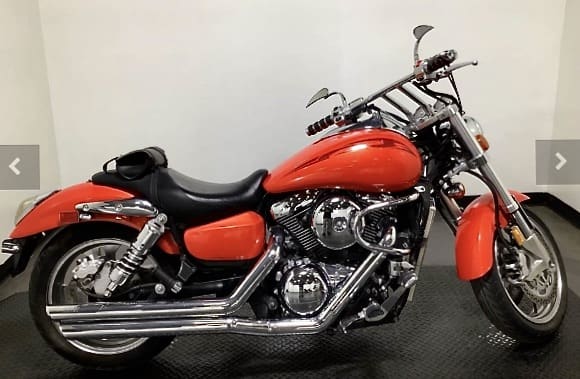
The allure of the 2000 Harley Fat Boy lies in its uncompromising blend of form and function. At first glance, the Fat Boy’s broad stance and muscular silhouette demand attention. Its distinctive solid-disc wheels, wide handlebars, and hefty front forks are signatures of the model’s unapologetic persona. But there is more than mere aesthetics at play. Beneath its sculpted exterior thrives a motor built on Harley’s revered Evolution engine, a V-twin powerhouse with a balance of torque and reliability that defined an era. This powertrain delivers not just strength, but character—manifested in the unmistakable rumble that harbors an almost primal appeal to riders and onlookers alike.
Crucially, the 2000 Fat Boy represents a pivotal moment in Harley-Davidson’s storied history — a period when the brand teetered between honoring its heritage and venturing into contemporary refinement. The Fat Boy rides that fine line impeccably. Its air-cooled 1450cc mill does not compete in the high-revving, technologically laden landscape espoused by some of its competitors, but it doesn’t need to. Instead, it captivates through steadfast simplicity, cultivating a riding experience steeped in traditional cruiser ethos: laid-back throttle response, ample torque at lower RPMs, and that throaty exhaust note that reverberates through the soul.
Yet, to pigeonhole the 2000 Fat Boy as merely an anachronism would be a gross oversight. The motorcycle’s design choices—its width, weight, and ergonomics—deliberately cater to a unique niche. This is a machine meant for those who find thrill in steadily carving open roads rather than blazing racetracks. Every inch of the chassis whispers comfort, and the plush saddle seems sculpted to cradle riders for long, meandering journeys. This commitment to a specific rider experience is where the Fat Boy’s longevity comes into sharp focus. It is not about chasing innovation for innovation’s sake but perfecting an experience that resonates deeply with a particular ethos of freedom.
In the context of the contemporary cruiser market, where technological sophistications like ride-by-wire throttles, advanced ABS systems, and electronic rider aids are increasingly commonplace, the 2000 Fat Boy’s analog charm might appear quaint. However, its relatively rudimentary technology can be viewed as an asset. For purists seeking a visceral connection between man and machine, the unfiltered feedback serves as a tactile symphony—a nuanced dialogue between the rider’s intentions and the bike’s response. This sensory engagement is becoming increasingly rare in today’s digitized motorcycles, making the Fat Boy not only a relic but a rare piece of motorcycling art that invites intimate participation rather than passive interaction.
Moreover, the aesthetic appeal of the Fat Boy remains a compelling argument for its iconic status. It has inspired countless modern interpretations and has been immortalized in popular culture—most notably through cinematic appearances and its position in the pantheon of motorcycle design. The massive front forks, the imposing front wheel, and the shine of chromed components collectively create an unmistakable visage. While trends fluctuate, the Fat Boy’s design language echoes a timeless confidence. It’s an embodiment of rugged elegance and rebellious spirit that refuses to be obscured by transient stylistic fads.
Nevertheless, there are challenges inherent in embracing the 2000 Fat Boy today. Its heft can be daunting for novice riders, and the suspension, while comfortable for highway cruising, may feel yielding on twisty or uneven roads. Compared to contemporary machines, its braking systems and overall ergonomics may seem less refined, signaling the advancements motorcyclists have come to expect as standard. Yet, such trade-offs are often overshadowed by the intangible factors: emotional resonance, historical significance, and aesthetic charisma.
Another dimension worth contemplating is the cultural and emotional weight the Fat Boy carries. More than a motorcycle, it is a cultural artefact—a manifestation of ideals like independence, the open road, and rebellion. The 2000 model encapsulates a chapter in American motorcycling that echoes themes of rugged individualism and mechanical purity. Owning and riding this machine is a statement, a shared nod among enthusiasts to a legacy that new-age bikes, despite their technological prowess, cannot easily replicate.
Is the 2000 Harley Fat Boy still a cruiser icon? The answer is not purely technical, but deeply experiential. It challenges modern assumptions about performance being the be-all and end-all and invites riders to reassess the value of heritage, atmosphere, and authenticity. This bike promises an alternative perspective—one where horsepower is measured not only by speedometers but by the memories and emotions it evokes.
In conclusion, the 2000 Harley-Davidson Fat Boy remains a powerful symbol within motorcycling culture, defying the relentless march of technology through its adherence to core cruiser principles. It is neither an unchallenged champion of raw performance nor a gadget-laden marvel, but a steadfast iconane. For those willing to embrace the promise of a distinct, unvarnished riding experience, the Fat Boy offers more than nostalgia—it presents a living narrative of cruising’s enduring allure. True icons do not fade; they merely invite us to rediscover them through ever-evolving eyes.