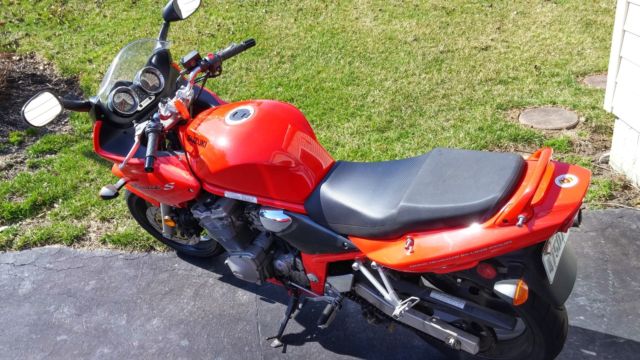
When it comes to the streetfighter segment, few motorcycles spark intrigue quite like the 2000 Suzuki Bandit series. The Bandit 600 and Bandit 1200 both command respect with their muscular designs and raucous performance capabilities, but the question often posed among enthusiasts is, which one truly rules the urban jungle? Is it the nimble and spirited 600, or does the brute power and torque of the 1200 put the smaller sibling firmly in its shadow? Let’s delve deep into this mechanical melee and unravel the nuances that define these two iconic machines.
At first glance, the 2000 Suzuki Bandit 600 presents itself as an agile streetfighter with sleek yet aggressive lines. Its compact chassis and restrained dimensions hint at nimbleness, making it a plausible contender for city riders seeking exhilarating handling without the intimidation factor of a larger bike. Conversely, the Bandit 1200 boasts a more substantial frame and a guttural presence that speaks volumes of its robust engine. With more mass, more power, and a thicker silhouette, the 1200 emerges as the heavyweight champion on paper—but does sheer strength always translate to better street performance?
The core of their rivalry undeniably lies beneath the fairings: the engine. The Bandit 600 houses a 599cc inline-four engine, known for its high-revving characteristics and smooth power delivery. It produces an impressive horsepower that is balanced by a lightweight frame, equating to spirited acceleration and sharp responsiveness. For those who relish a symphony of mechanical precision and immediate throttle feedback, the 600 feels like a nimble predator, darting through traffic and carving corners with an eager zest.
On the flip side, the Bandit 1200 packs a 1,157cc inline-four powerhouse, capable of unleashing substantially more torque and raw grunt. This engine delivers a more robust and muscular feel, propelling the bike forward with a thunderous surge. Perfect for riders who prefer a more dominant impression on the street or those requiring highway prowess, the 1200 feels like a street-riding juggernaut. Yet, with greater mass and heft comes the inevitable question: can it maintain the agility and finesse demanded by urban riding?
Handling dynamics between these two Bandits further accentuate their streetfighter personas. The 600’s lighter frame translates into swift and precise cornering ability. Its suspension setup, while firm, is tuned for spirited street riding, allowing for confident maneuvering through tight bends and congested roadways. The overall sensation when piloting the 600 is one of connectedness and ease, fostering a playful rapport between rider and machine.
The 1200, in contrast, carries a heavier setup, complemented by reinforced suspension components designed to manage the increased power and weight. While this affords stability at higher speeds and enhances comfort on longer journeys, its bulk can make it less reactive in stop-and-go traffic or winding urban streets. However, seasoned riders often appreciate the planted and composed nature of the 1200, especially when the road straightens and the throttle twists open.
Stylistically, both motorcycles embrace the streetfighter ethos with stripped-down aesthetics and muscular undertones. The Bandit 600 exudes a raw and purposeful vibe, its minimalistic approach accentuating its sporty character. The 1200 commands attention with a more imposing stance, its larger engine components visibly integrated into the frame, suggesting both power and durability. In terms of ergonomics, the 600’s seating position offers a balance between comfort and aggressive posture, perfect for quick maneuvers without sacrificing rider endurance. The 1200, meanwhile, provides a slightly more relaxed yet authoritative seating arrangement, catering to riders who prefer a dominant riding presence.
Fuel efficiency and maintenance also play critical roles in this streetfighter showdown. The 600, smaller and lighter, generally boasts better fuel economy, which is a considerate factor for daily commuters or those who frequently navigate urban environments. The 1200’s larger displacement, while exhilarating, tends to guzzle more fuel, making it less frugal but more rewarding for adrenaline seekers. Maintenance-wise, both bikes share Suzuki’s hallmark reliability; however, the complexities introduced by the 1200’s larger engine could potentially translate to marginally higher upkeep costs over time.
So, what about customization? Both models have cemented themselves as favorite canvases for modification and personalization within the streetfighter community. The 600’s compact frame is ideal for riders aiming to craft a lean, aggressive silhouette with performance upgrades that enhance agility and response. The 1200, with its mass and muscle, provides an exceptional foundation for bold transformations that amplify power and presence while maintaining street credibility. Here lies an intriguing challenge—do you prefer to refine nimbleness or augment brute strength?
In the realm of streetfighter motorcycles, where personality is expressed as much through attitude as technical specs, choosing between the 2000 Suzuki Bandit 600 and 1200 becomes a question of rider philosophy. Is it better to dance through traffic with finesse and nimbleness, or should one command the street with imposing strength and commanding power? This playful rivalry encapsulates the very essence of streetfighter culture—diverse, dynamic, and defiantly personal.
Ultimately, the battle between these two Bandit titans does not crown a clear victor but rather celebrates the spectrum of choice available to motorcyclists. Whether you opt for the spirited precision of the 600 or the thunderous might of the 1200, both models deliver an authentic and thrilling ride. Each has carved its own niche in the annals of streetfighter lore, inviting riders to own their experience, embrace the challenge, and revel in the raw, unfiltered joy of two wheels on the tarmac.