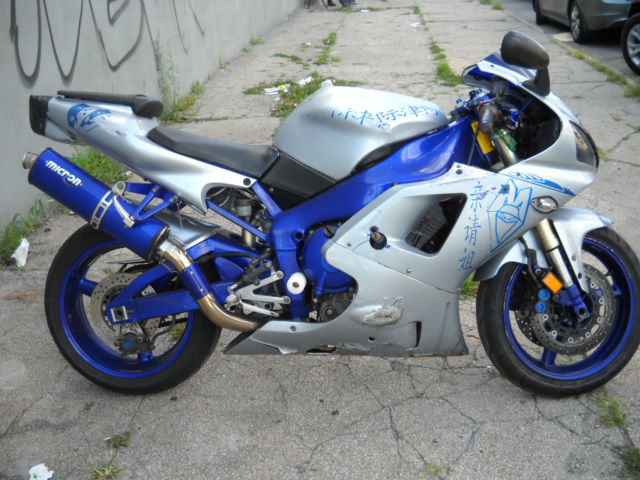
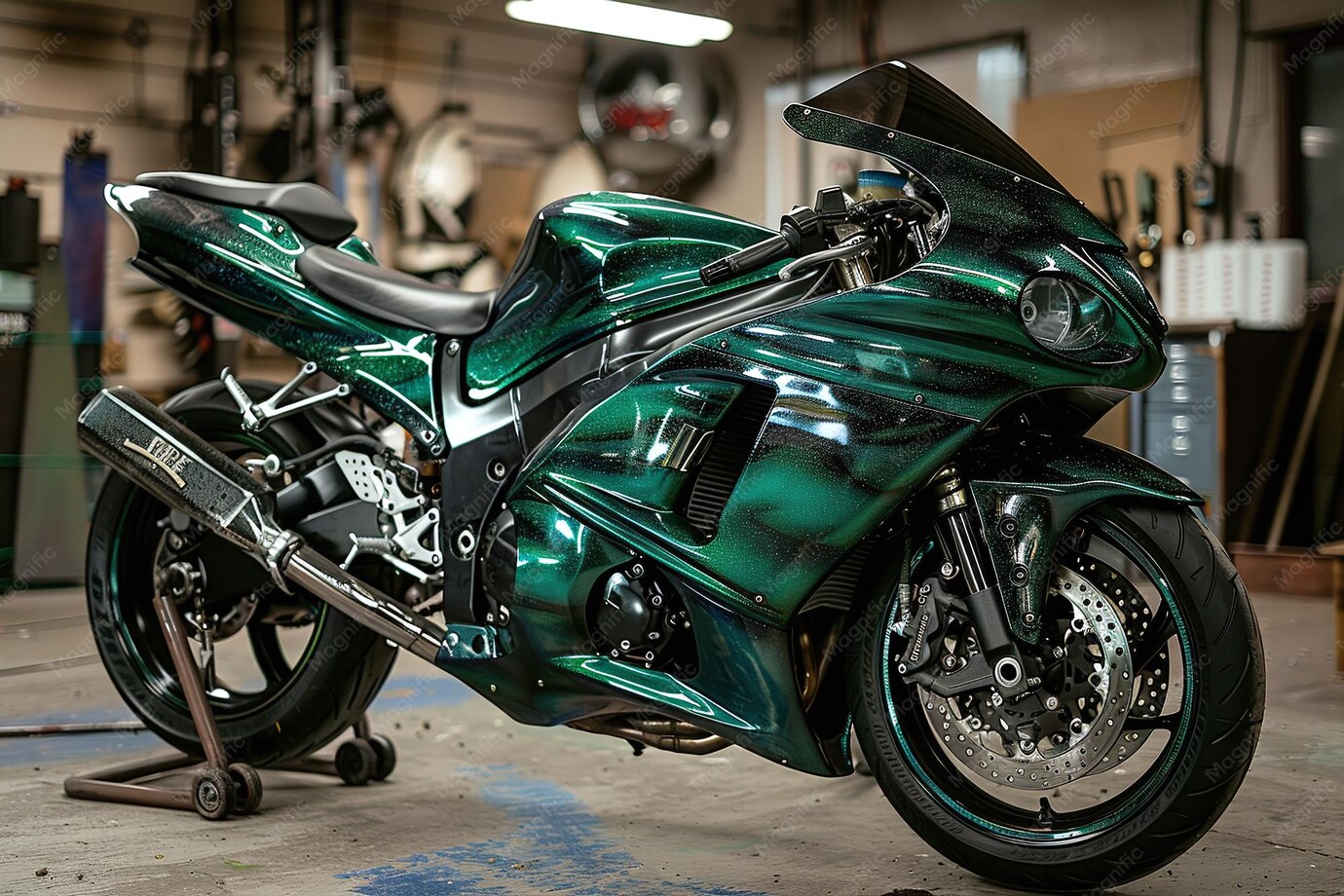
In the sprawling landscape of sport motorcycles, where every model seems to clamor for attention with burgeoning horsepower and cutting-edge technology, the 2000 Suzuki Katana 600 often glides under the radar—a whispered secret among aficionados and a relic to many others. It is neither the avant-garde prototype foreshadowing the future nor the relic mired in obsolescence. Instead, it occupies a liminal space, suspended like a finely tuned pendulum between reverence and disregard. But what truly defines this machine? Is the 2000 Suzuki Katana 600 an underrated marvel waiting to be rediscovered, or an outdated artifact consigned to the annals of motorcycling history?
The Katana name itself evokes a moniker forged in the fires of culture and performance, a blade honed for precision and speed. Originally introduced in the early 1980s, the Katana series has always embodied the ethos of sleekness and agility, blending the sharp lines of a samurai sword with the raw power expected from a sportbike. The 2000 iteration of the Katana 600, although a later continuation, still retained this fundamental identity but navigated the shifting tides of market demands and technological advances. It remains a study in balance, embodying an era where motorcycles were not just machines but expressions of mechanical poetry.
To consider the 2000 Suzuki Katana 600 as merely outdated is to overlook the nuanced sophistication it carries beneath its fairing. Powered by a liquid-cooled, inline four-cylinder 599cc engine, the bike delivers an intoxicating blend of swift throttle response and balanced torque distribution. This engine, while no longer the titanic powerhouse compared to modern supersport motorcycles, offers a character that new models often sacrifice for sheer numbers. Its essence lies in a harmonious interplay between speed and control, turning each ride into a delicate dance rather than an unrelenting race to the horizon.
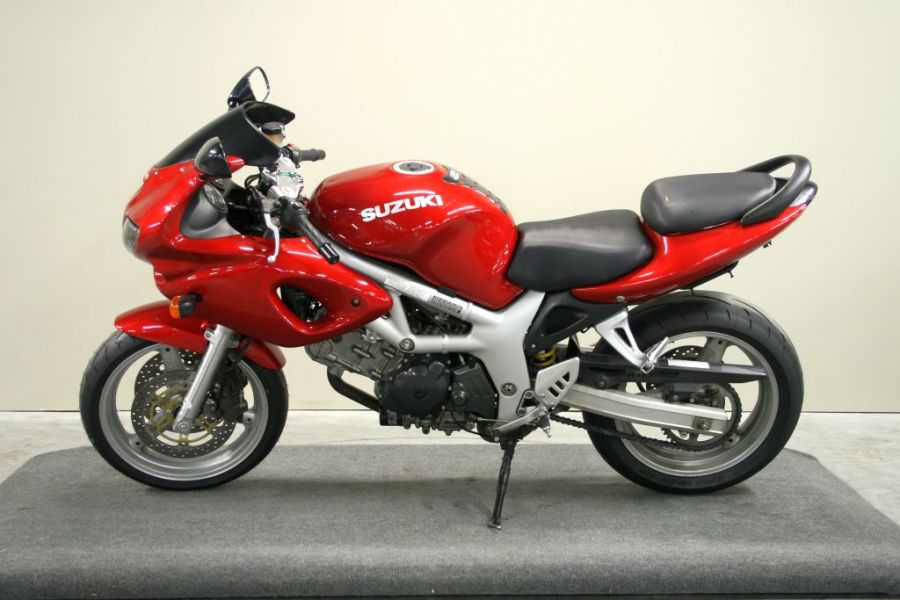
From a design perspective, the Katana 600 straddles the divide between avant-garde and classic. Its aerodynamic fairing with angular lines and distinctive twin headlights evokes an era where motorcycles began to transition from utilitarian vehicles to adventurous statements of style. Unlike some of its peers, which push the envelope with exaggerated contours and aggressive, almost alien, aesthetics, the Katana’s styling is resolutely deliberate—clean, purposeful, reminiscent of the craftsmanship that prized form as much as function.
The handling of this motorcycle is where its true allure emerges, particularly for riders who treasure the art of riding. The chassis is lightweight yet rigid, allowing for nimble cornering without sacrificing stability. Suspension components, while not as advanced as contemporary electronically adjustable units, offer a direct and communicative ride—translating the nuances of the road into tactile feedback. This sensory connection transforms the motorcycle from a mere tool of velocity into an extension of the rider’s own instincts, a symbiotic relationship that is increasingly rare in the era of rider aids and computerized controls.
However, the question of whether the Katana 600 is outdated cannot be dismissed outright. In an age dominated by high-tech features such as traction control, ABS systems, ride modes, and GPS integration, the Katana’s analog simplicity borders on anachronism. For some, this lack of modern amenities could be perceived as a handicap—an old dog without new tricks. Yet, to others, this minimalism is a virtue, a refreshing antidote to the digital saturation of modern motorcycles. The experience is purer, rawer—an homage to a time when skill and synergy between rider and machine were paramount.
Moreover, maintenance and parts availability may pose pragmatic concerns for some prospective owners. As a model produced over two decades ago, the Katana 600 requires attentive care, with owners often needing to seek out specialty parts or invest time in routine upkeep. This aspect elevates ownership from mere usage to a passionate engagement with mechanical stewardship. For the enthusiast willing to immerse in this craft, the Katana becomes not just a bike, but a living legacy—a temporal bridge to motorcycling’s golden moments.
The cultural resonance of the Katana 600 further elevates its status beyond mere technical appraisal. It is a motorcycle that attracts riders valuing character and heritage over transient trends. In communities of vintage sportbike enthusiasts, it holds a special place—a thoroughbred that, despite the ravages of time, gallops on with undiminished spirit. Its legacy is curated not by marketing blitzes but by the stories of those who have wielded its capabilities, savoring the tactile pleasures of a ride unconstrained by excessive mediation.
To label the 2000 Suzuki Katana 600 as either strictly underrated or irredeemably outdated oversimplifies a narrative that is inherently complex. It occupies a niche where nostalgia intersects with practicality, where aesthetics meet function, and where history speaks through engineering. For some, it is an icon quietly awaiting reappraisal—a diamond resurfaced for modern appreciation. For others, it is simply a testament to an earlier technological era, eclipsed by relentless innovation.
In the final analysis, the true value of the 2000 Suzuki Katana 600 resides in perspective. It is not merely a machine; it is a tactile poem etched in metal and motion. Whether underrated or outdated, its significance lies in its ability to evoke passion, skill, and a visceral connectivity—qualities that transcend the mere march of years and specs. Like the katana it is named after, this motorcycle is not just measured by its power or features, but by the precision, honor, and spirit it inspires in those who wield it.