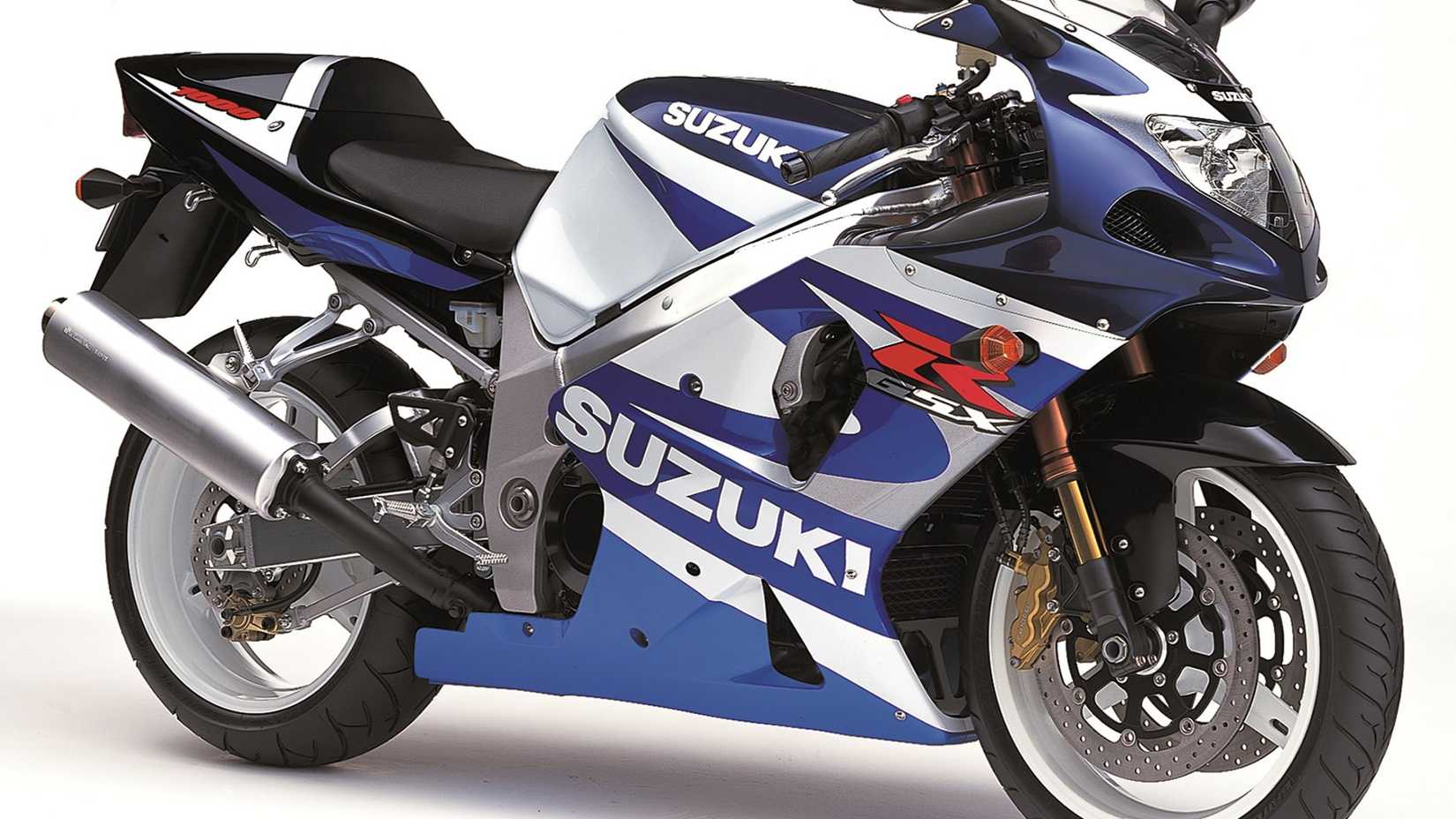
The 2001 Suzuki GSX-R1000 emerged as a formidable contender in the world of superbikes, carving out a reputation for outstanding power, blistering top speeds, and an engineering blueprint that balanced raw performance with remarkable handling finesse. This machine was not merely a motorcycle; it was a technological marvel that set new benchmarks in the early 2000s and fueled the passion of riders worldwide. Exploring the horsepower figures, top-speed capabilities, and the intricate reasons behind its dominance reveals why this model remains revered in motorcycling history.
Underneath the aggressive, aerodynamic fairing of the 2001 GSX-R1000 lies a beastly 999cc, inline four-cylinder engine. This powerplant was a masterpiece of Suzuki’s engineering prowess, heavily inspired by the company’s racing pedigree. It delivered a substantial 150 horsepower at a high 10,000 rpm, which was an impressive leap over its predecessor and competitors alike. The engine’s broad powerband allowed for both explosive acceleration and versatile performance across different riding conditions.
Manufactured using lightweight, durable materials, the engine contributed significantly to the motorcycle’s overall weight management— the 2001 GSX-R1000 tipped the scales at just over 400 pounds. This intricate balance of power-to-weight ratio was instrumental in elevating its dynamic riding character. Riders found themselves with a bike that could sprint off the line with authority, tackle sharp corners confidently, and maintain stability at breathtaking speeds.
The GSX-R1000’s aerodynamic gestalt was meticulously fashioned to reduce drag, enabling it to slice through the air with minimal resistance. This aerodynamic efficiency was a key factor in achieving its top speed, which hovered around the 175 mph (282 km/h) mark. Such velocity was rare for public road-legal motorcycles at the time and made the GSX-R1000 an icon in the sportbike segment. This velocity wasn’t just about straight-line speed; it symbolized the synergy of engine output, chassis design, and aerodynamics working seamlessly as one.
The chassis construction was no afterthought. Comprising an aluminum twin-spar frame, the 2001 GSX-R1000 emphasized rigidity and lightness in equal measure. This sophisticated frame design ensured that the bike was not only structurally robust but also responsive to rider inputs. Precision steering and high lateral stiffness translated to confidence-inspiring cornering performance and an exemplary level of road feedback. Coupled with a sophisticated suspension setup featuring inverted forks and a rear mono-shock, this bike tackled everything from closed circuit racetracks to winding mountain roads with unprecedented agility.
Moreover, the braking system of the 2001 GSX-R1000 was equally critical to its dominance. It featured dual front disc brakes complemented by a single rear disc, each equipped with highly responsive calipers designed to withstand the rigors of high-speed deceleration. This configuration ensured that the rider could exploit the bike’s power without compromising safety or control, a vital component in both competitive racing and spirited street riding.
Beyond the raw specifications and hardware, what truly set the 2001 GSX-R1000 apart was its innovative integration of technology for the era. The bike featured revised engine tuning and an improved electronic ignition system that optimized fuel delivery and combustion efficiency. These enhancements contributed not only to increased horsepower and top speed but also to improved throttle response and fuel economy—a testament to Suzuki’s holistic approach to performance engineering.
Another distinguishing characteristic was the GSX-R1000’s versatility. While many superbikes of the period were optimized solely for track performance, Suzuki designed this model with the everyday rider in mind. Ergonomics were carefully crafted to offer a riding posture that balanced comfort with aggressiveness. This duality allowed the GSX-R1000 to excel both as a track weapon and as an exhilarating machine for spirited weekend rides or long-distance journeys.
The widespread acclaim and enduring legacy of the 2001 Suzuki GSX-R1000 are also a product of its competitive genesis. Suzuki’s extensive racing experience found direct expression in this model. It carried forward lessons from the Suzuki GSX-R750 and GSX-R1100 families while pushing boundaries. The innovations packaged into the 2001 iteration made it a favorite among racers and street enthusiasts alike, effectively blurring the line between track technology and road availability.
In the larger context of superbike evolution, the 2001 GSX-R1000 marked a pivotal moment. It raised the standard for what riders could expect in terms of power delivery, handling precision, and technological sophistication. It set the stage for subsequent GSX-R1000 models that continued to elevate Suzuki’s reputation as a maker of some of the most exhilarating motorcycles in the world. Its impact is visible in the DNA of modern sport bikes, influencing frame design, engine management, and ergonomic principles to this day.
Ultimately, the 2001 Suzuki GSX-R1000 was more than just another superbike; it was a statement. A statement of engineering ingenuity, of performance potential, and of the thrill inherent in two-wheeled motion. Its blend of horsepower, top speed, and rider-centric design crystallized why it dominated the superbike landscape in its time. The legacy it left continues to inspire riders and manufacturers worldwide, standing as a testament to an era when innovation met passion in the pursuit of motorcycle excellence.