In the realm of motorcycle customization, few machines embody the spirit of rebellion and individuality quite like the chopper. Born from the grease-stained dreams of outlaw bikers and polished by the hands of modern artisans, these two-wheeled beasts are meant to defy convention. Yet, all too often, the line between audacious artistry and catastrophic misjudgment blurs into oblivion. The worst custom chopper mistakes aren’t just flaws—they’re cautionary tales etched in metal and chrome, where ambition outruns reason, and creativity curdles into chaos. These are the top 10 sins of chopper craftsmanship, where the pursuit of uniqueness veers into the grotesque, and the dream of riding free becomes a cautionary spectacle on wheels.
The Frankenstein Frame: When Geometry Goes Rogue
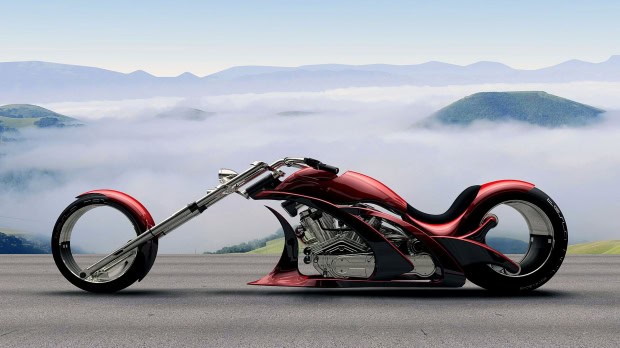
There is a fine line between innovation and anatomical absurdity, and nowhere is it more brutally crossed than in the Frankenstein frame. Imagine a motorcycle skeleton stitched together from the discarded limbs of three different bikes—each joint a betrayal of engineering logic. The rake is so steep it could double as a ski jump; the trail is so erratic it might as well be a drunkard’s compass. These choppers don’t lean into turns—they lurch, like a startled giraffe on roller skates. The frame isn’t just stretched; it’s been subjected to a cruel act of vehicular plastic surgery, where form follows no function, only folly. The result? A machine that looks less like a motorcycle and more like a conceptual art piece that forgot to ask for permission before existing.


Excessive Stretch: The Elongation Obsession
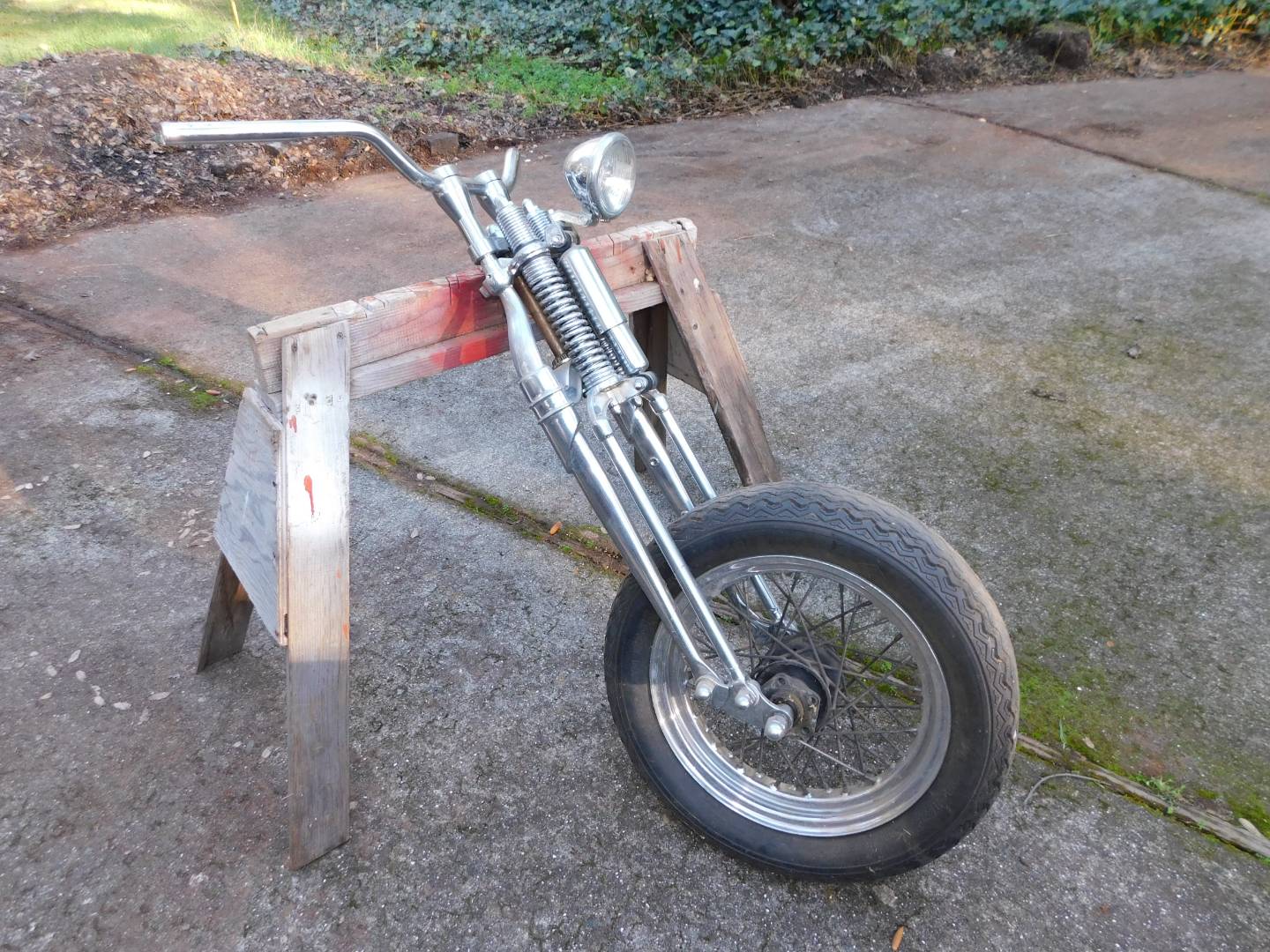
In the world of choppers, stretching isn’t just a metaphor—it’s a lifestyle. But when the frame is stretched beyond the point of no return, the motorcycle ceases to be a vehicle and becomes a mobile art installation of questionable taste. These elongated beasts, with forks that could double as flagpoles and frames that resemble the spine of a prehistoric creature, are less about performance and more about visual shock value. The rider perches precariously atop a metal tower, knees nearly touching the handlebars, as if piloting a lowrider from a dystopian future. Handling? Forget it. These choppers don’t corner—they drift sideways like a confused ice skater. Yet, in their absurdity, they command attention, a rolling testament to the idea that sometimes, more is just… more.
Brutalist Handlebar Horror: When Ergonomics Take a Backseat
Handlebars are the conductor’s baton of the chopper world—small in size, immense in influence. But when they mutate into jagged, angular monstrosities that resemble medieval torture devices, the conductor is no longer in control. These brutalist handlebars, often welded from thick steel and bent into shapes that defy both physics and comfort, transform every ride into an endurance test. The rider’s wrists scream in protest; the shoulders hunch like a vulture’s talons. Some designs curve so sharply they could serve as a boomerang in a parallel universe. Others jut out like the antlers of an enraged moose, daring the wind to challenge their dominance. Comfort is sacrificed at the altar of intimidation, and the result is a machine that feels less like a motorcycle and more like a weapon waiting for a cause.
Seat of Discomfort: The Ergonomic Nightmare
If the handlebars are the conductor’s baton, the seat is the throne of suffering. In the pursuit of aesthetics, many chopper builders forget that a seat isn’t just a visual element—it’s where the rider’s spine meets the road. The worst offenders are seats so thin they might as well be made of cardboard, or so wide they resemble a park bench bolted onto a death trap. Some are positioned so high the rider’s legs dangle like a marionette’s, while others are so low the knees nearly kiss the fuel tank. The padding, when it exists at all, is often a cruel joke—thin foam over a slab of steel, offering no mercy to the posterior. Riding one of these seats for more than ten minutes is less a joyride and more a medieval punishment. Yet, in their stark, unyielding design, they become a statement: suffering is beautiful.
Brake Bias: When Stopping Becomes a Suggestion
A chopper without reliable brakes isn’t a motorcycle—it’s a rolling deathtrap with delusions of grandeur. Yet, in the quest for minimalism, many custom builders strip away braking power with the same enthusiasm they’d use to remove a wart. Single-disc setups on heavy frames. Rear brakes so weak they might as well be decorative. Hydraulic systems replaced with cables that stretch like taffy in the sun. The result? A machine that halts with all the grace of a drunk elephant. Riders compensate by dragging their boots like anchors, or worse, relying on sheer luck to avoid collisions. Brakes aren’t just components—they’re lifelines. Ignoring them isn’t edgy; it’s reckless. And yet, in the chopper world, recklessness is often mistaken for rebellion.
Chain Chaos: The Slack-Ended Saga
The chain drive is the lifeblood of a chopper, a mechanical artery pulsing with the rhythm of the engine. But when that artery is clogged with slack, stretched beyond recognition, or lubricated with more hope than oil, the result is a symphony of mechanical mayhem. A loose chain doesn’t just wear down sprockets—it leaps off them like a startled cat, tangling in the rear tire with the precision of a guillotine. Riders become acrobats, leaping off the bike mid-ride to re-tension the chain, their dignity dissolving with every clatter. Others ignore the problem entirely, content to ride with the chain flapping like a distress flag. In the worst cases, the chain becomes a weapon, whipping around with enough force to flay skin or shatter glass. A well-maintained chain is invisible; a neglected one is a ticking time bomb.
Exhaust Eccentricities: The Sonic Rebellion
Exhaust systems are the voice of a motorcycle—deep, growling, and commanding. But when that voice is reduced to a shriek, a backfire, or a sound so obnoxious it could summon the wrath of an entire neighborhood, the rebellion has gone too far. Some choppers roar like a jet engine on takeoff, others cough like a chain-smoking grandpa. The worst offenders are exhausts so poorly routed they melt the rider’s boots or scorch the paint off the gas tank. Others are so loud they could double as air raid sirens, earning their riders glares from miles away. Yet, in their cacophony, they become a statement: this machine doesn’t just ride the road—it screams its presence into the void. The question is, does anyone really want to listen?

Tire Tyranny: When Rubber Meets Road (or Doesn’t)
Tires are the only thing standing between a rider and the asphalt abyss. Yet, in the world of choppers, they’re often treated as an afterthought—thin, balding, or so mismatched they could belong to two different motorcycles. Some builders opt for skinny tires that dig into the pavement like a stiletto heel, while others slap on wide, knobby monsters that vibrate like a jackhammer at highway speeds. The worst offenders are tires so old they’ve forgotten what traction feels like, or so poorly inflated they resemble a sad balloon. Cornering becomes a game of Russian roulette; wet roads transform into a slip-and-slide of existential dread. A chopper’s tires aren’t just rubber—they’re the difference between a thrilling ride and a headline in the obituary section.
Fuel Tank Follies: The Bloated Belly of Bad Design
The fuel tank is the chopper’s belly—a vessel meant to hold liquid courage, not architectural absurdity. Yet, in the pursuit of visual drama, many builders inflate tanks into grotesque, balloon-like protrusions that dwarf the rest of the bike. These tanks don’t just carry fuel; they carry the weight of poor judgment, bulging out like a hernia in the middle of the frame. Riders perch atop them like kings on a throne of questionable stability, their knees nearly touching their chins. Filling them becomes a Herculean task, and the center of gravity shifts from precarious to perilous. Some tanks are so wide they block the rider’s view of the road ahead, turning navigation into a game of peekaboo with disaster. In their bloated glory, they become a symbol of excess—where function is sacrificed for the sake of spectacle, and every gallon of gas feels like a gamble.
Electrical Eccentricities: The Wiring Nightmare
A chopper’s electrical system is its nervous system—delicate, complex, and prone to catastrophic failure if mishandled. Yet, in the world of custom builds, it’s often treated with the same care as a teenager’s first science project. Wires dangle like vines in a jungle, sparking at the slightest provocation. Fuses are bypassed with paperclips. Batteries are wired backward, just to see what happens. The result? A machine that dies with the drama of a Shakespearean tragedy—one minute it’s roaring down the highway, the next it’s a lifeless hunk of metal with a single, accusing headlight. Electrical gremlins aren’t just inconvenient; they’re a silent rebellion against the laws of physics. And yet, in their chaos, they become a testament to the idea that sometimes, the most beautiful machines are the ones that refuse to work.