The 2005 BMW R1200GS stands as a pivotal milestone in the evolution of adventure motorcycles. More than just a machine, it heralded a paradigm shift in what riders could expect from their steeds, blurring boundaries between rugged off-road capability and refined road performance. This bike not only redefined versatility but also established a new benchmark for adventure touring that continues to reverberate across the motorcycling community even decades later.
When introduced, the R1200GS was unlike anything that had preceded it. It wasn’t merely an upgrade or a facelift; it was a thorough reinvention and a visionary statement. The twin-cylinder boxer engine, a hallmark of BMW’s engineering, was refined with greater power and torque, crafted to excel across an extraordinary spectrum of riding conditions. The enhanced 1170cc powerplant delivered an exhilarating yet manageable surge, imbuing riders with the confidence to explore off-the-beaten-path terrains as well as conquer long-distance highways. This blend of competency and accessibility changed not only what the bike could do but how riders perceived the very notion of an adventure motorcycle.
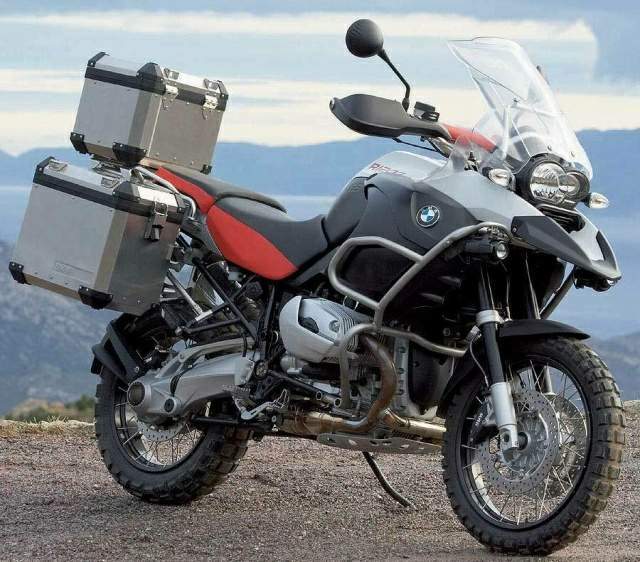
Its chassis was painstakingly engineered to offer a sublime balance between stability and agility. The innovative Telelever front suspension system was a revelation, dramatically reducing dive under braking while maintaining precise steering feedback—a feature rarely seen in motorcycles of that era. This sophisticated setup encouraged riders to navigate challenging winding roads or uneven dirt trails with an unparalleled sense of control and assurance. The moniker “adventure bike” was no longer a mere marketing buzzword but a tangible reality, born out of meticulous design and tested in the most demanding scenarios.
Moreover, the R1200GS brought ergonomics to the fore, recognizing the importance of rider comfort on extended journeys. The seating position was elevated yet natural, allowing for an upright stance that reduced fatigue and improved visibility. Adjustable seat heights and handlebar configurations exemplified BMW’s commitment to personalization, catering to a diverse rider demographic while enhancing long-haul comfort. This deliberate attentiveness to human factors amplified the bike’s appeal beyond seasoned off-roaders, inviting newcomers and tourers alike into the fold of adventure motorcycling.
Technological innovation was woven into the very fabric of the 2005 R1200GS. As one of the first motorcycles to feature anti-lock braking systems (ABS) specifically tailored for both on and off-road conditions, it introduced a new layer of safety without compromising performance. This foresight demonstrated BMW’s intent not just to create a powerful machine but one that embraced technological progressiveness to safeguard its riders. The synergy of mechanical prowess and electronic assistance formed a template that many manufacturers would strive to emulate in subsequent years.
In the realm of utility, the 2005 R1200GS surpassed expectations. Robust yet lightweight panniers, optimized for ample storage without bulk, transformed it into a dependable partner for extended voyages into the unknown. The inclusion of auxiliary nooks, intelligent placement of controls, and durable construction materials underscored the practical ethos behind the bike’s conception. It was an invitation to pack light or heavy and never worry about the bike faltering—an invitation that adventure enthusiasts were quick to accept.
However, the true revolutionary aspect of the R1200GS transcends its specifications and features. It reshaped the cultural landscape of motorcycling, inspiring a shift in perspective from mere travel to immersive exploration. Its arrival ignited a renewed enthusiasm for long-distance travel, encouraging riders to venture beyond paved roads and established routes in a way that felt attainable yet bold. The bike fostered a community and ethos around the spirit of adventure, urging individuals to embrace uncertainty and the thrill of discovery. It became a catalyst for riders to redefine their relationship with the world and with their machines.
Moreover, the R1200GS exemplified a philosophy of integration—melding tradition with innovation, ruggedness with refinement, and power with subtlety. It embodied the art of engineering as a conduit to experience rather than an end in itself. This nuanced approach attracted a cross-section of riders: those who valued mechanical simplicity and those hungry for cutting-edge technology. Each journey taken aboard the R1200GS promised transformation, not just in miles traveled, but in mindset cultivated and horizons expanded.
The legacy of the 2005 BMW R1200GS is evident in the motorcycle industry’s trajectory. It ushered in an era where adventure bikes were no longer niche offerings but became cornerstone models for manufacturers worldwide. The balance it struck between capability and sophistication became the gold standard, inspiring a lineage of successors that retained its core identity while embracing evolving demands. It remains a testament to the power of visionary engineering and daring design, proving that a motorcycle could be much more than a means of transportation—it could be a vessel for change.
In retrospect, the 2005 BMW R1200GS was not just an adventure bike; it was a manifesto on two wheels. It challenged the status quo and invited riders to transcend perceived limitations, uncover new terrains, and rewrite the conventions of motorcycling adventure. To mount one was to embrace a world of possibility—where the road was just the beginning and the journey transformed into an endless quest for discovery. It did not merely change the adventure bike; it changed everything.