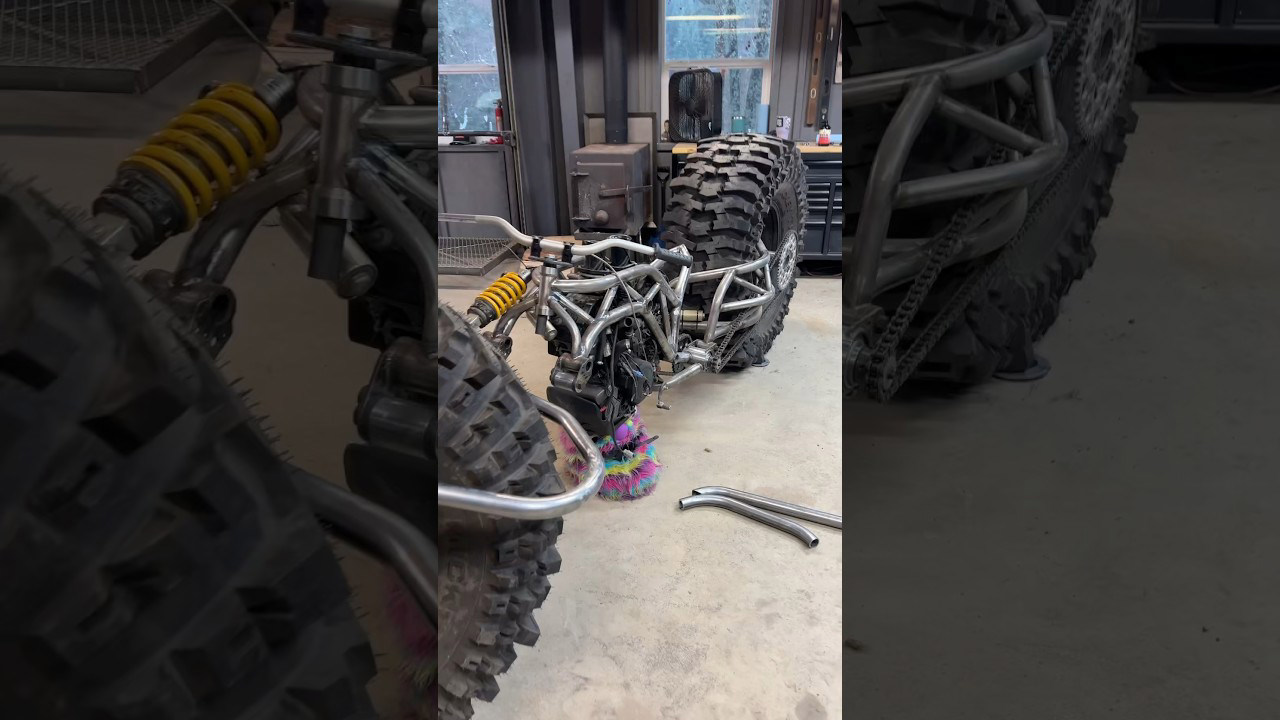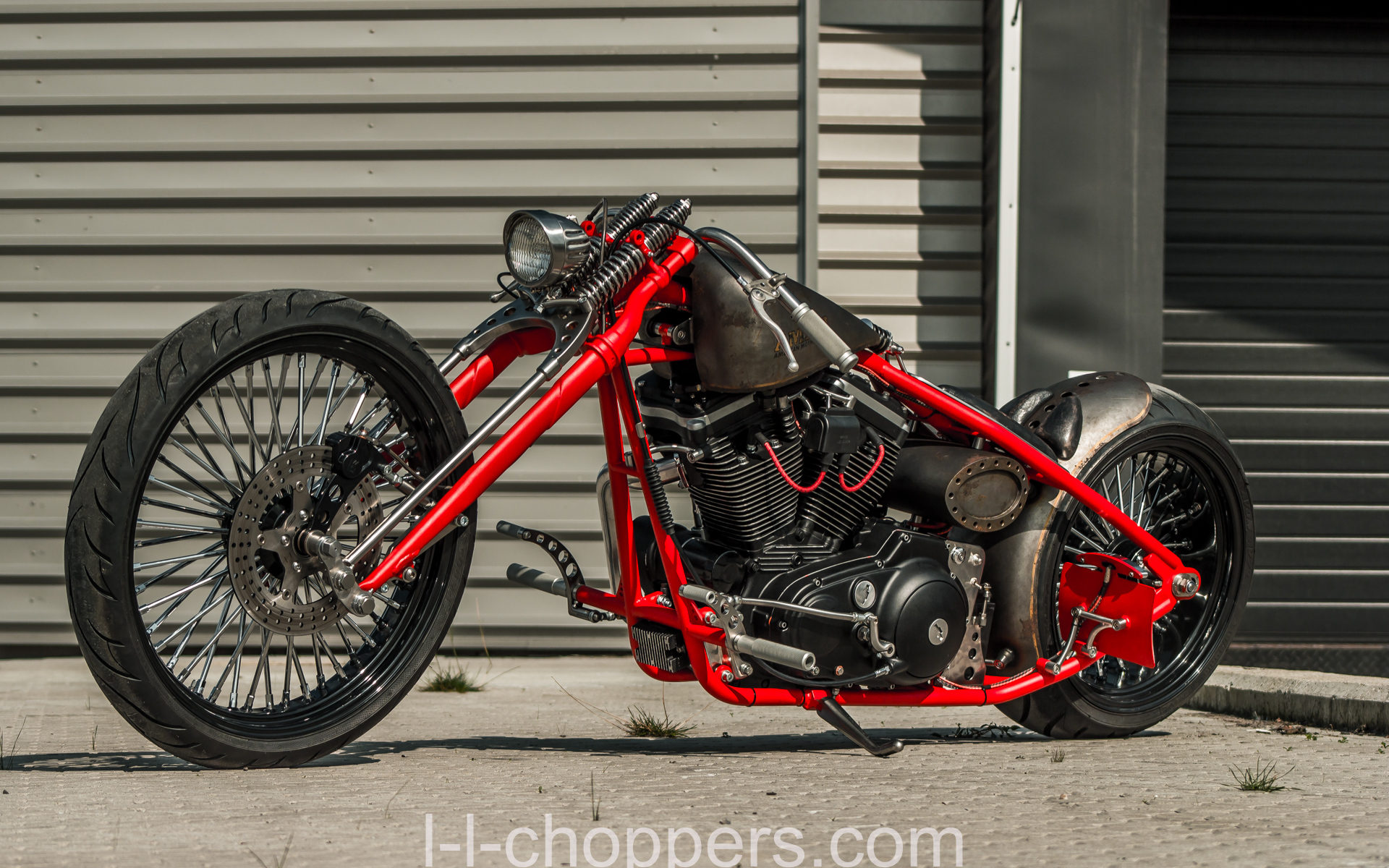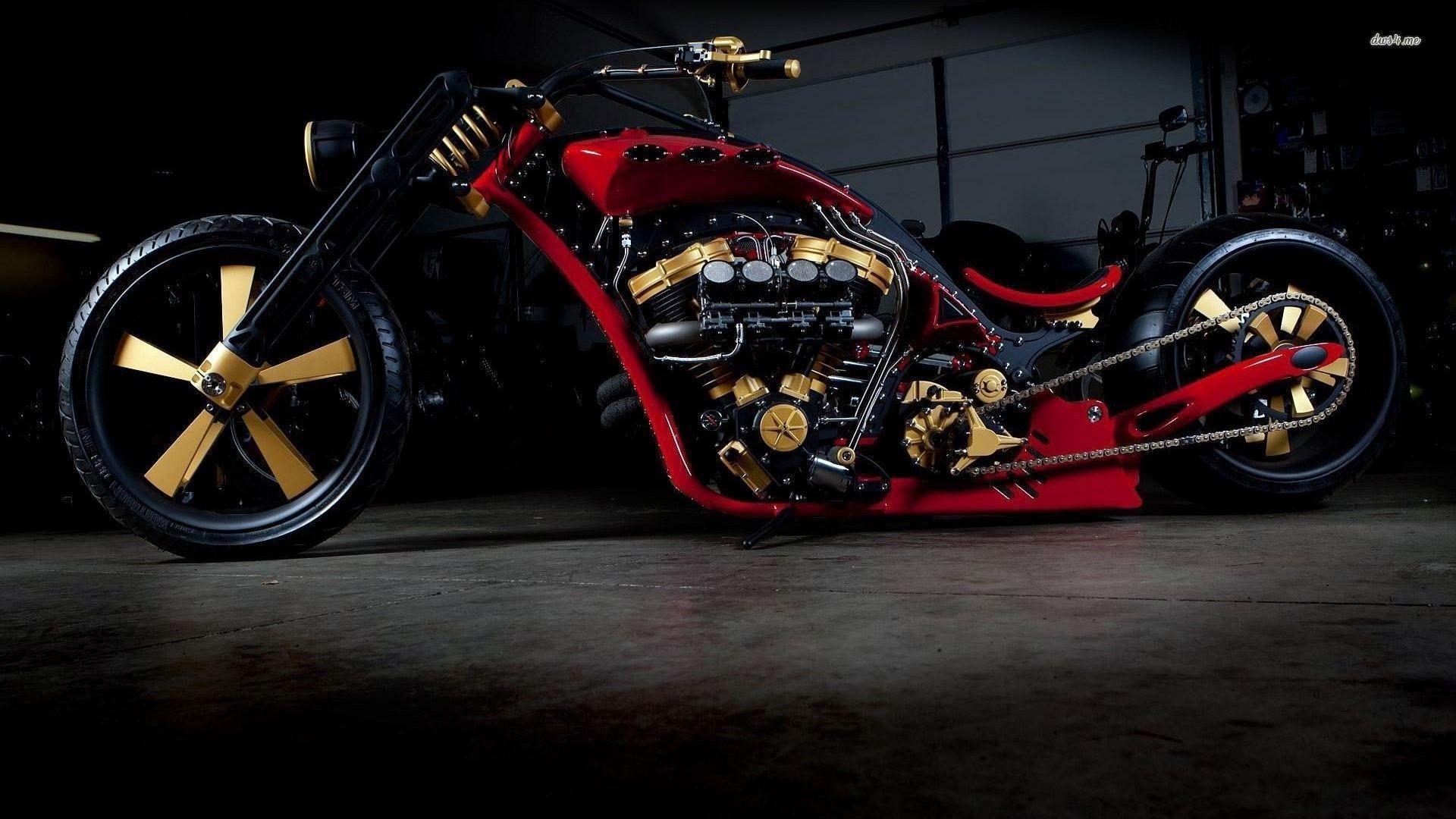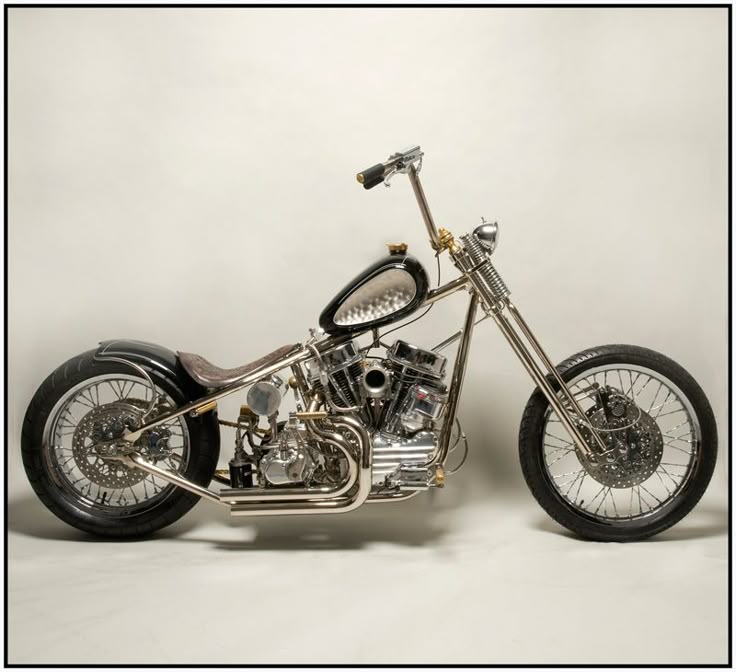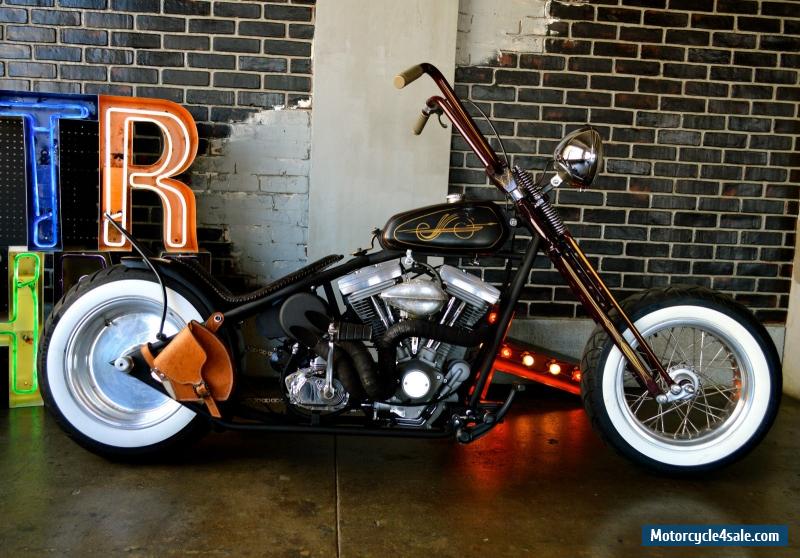
There’s something undeniably magnetic about a used custom Harley chopper motorcycle. It’s not just the rumble of its engine or the gleam of its polished chrome—it’s the story etched into every weld, the rebellion woven into its frame, and the promise of freedom that comes with owning one. Yet, beneath that allure lies a labyrinth of risks: hidden mechanical flaws, dubious ownership histories, and the gut-wrenching possibility of inheriting someone else’s costly mistakes. Buying a used custom chopper isn’t just a transaction; it’s an act of trust, intuition, and meticulous scrutiny. Here’s how to navigate that journey without losing your shirt—or your sanity.
The Allure of the Custom Chopper: Why We’re Drawn to the Unconventional
The custom chopper isn’t just a motorcycle; it’s a rolling manifesto of individuality. In a world of mass-produced conformity, these machines scream defiance. Their elongated forks, raked-out front ends, and exposed engines aren’t just aesthetic choices—they’re declarations of independence. There’s a primal thrill in the way a chopper commands attention, turning heads not just for its speed, but for its sheer audacity. Yet, this fascination often blinds buyers to the realities lurking beneath the surface. The same rebellious spirit that draws us to these bikes can also lead us to overlook critical flaws, mistaking passion for practicality. The key is to channel that enthusiasm into informed decision-making rather than letting it cloud your judgment.
Decoding the Seller’s Motives: What’s Really Behind the Sale?
Every used chopper has a backstory, and not all of them are worth hearing. Some sellers are upgrading to newer models; others are offloading a project they’ve grown tired of. But then there are the red flags—sellers who avoid eye contact, those who can’t produce service records, or those who insist on cash-only transactions in a secluded parking lot. The deeper reason behind their urgency often reveals itself in the details. Are they upgrading, or are they desperate to unload a money pit? A seller’s demeanor can be as telling as the bike’s condition. Trust your instincts. If something feels off, it probably is. Always ask pointed questions: Why are you selling? How many owners has it had? Are there any recurring mechanical issues? The answers might just save you from a costly mistake.
The Paper Trail: Why Documentation is Your Best Defense
A chopper without paperwork is like a ship without a compass—you’re at the mercy of the elements. Title discrepancies, missing registration, or a VIN that doesn’t match the frame are all signs of trouble. But it’s not just about the title. Service records, receipts for parts, and even old photos can provide a timeline of the bike’s history. A chopper that’s been meticulously maintained is a chopper worth considering. Conversely, a bike with no service history is a gamble no buyer should take. Request to see the original build sheet if possible, or any documentation that proves the bike’s provenance. In the world of custom motorcycles, where modifications can obscure a bike’s true history, paper trails are your lifeline.
Mechanical Due Diligence: The Nitty-Gritty Inspection Checklist
This is where the rubber meets the road—literally. A chopper’s engine, transmission, and suspension are its beating heart, and they demand scrutiny. Start with the basics: check the oil for metal shavings, which could indicate internal wear. Inspect the tires for uneven wear, a sign of alignment issues or suspension problems. Test the brakes—spongy pedals or grinding noises are instant deal-breakers. Don’t forget the electrical system; flickering lights or a dead battery can signal wiring issues. For the truly thorough, a compression test can reveal engine health, while a close look at the frame can uncover cracks or welds that suggest past accidents. If you’re not mechanically inclined, bring a trusted mechanic or a chopper-savvy friend. Their expertise could mean the difference between a dream ride and a financial nightmare.

Modifications: Blessing or Curse?
Custom choppers are, by definition, modified. But not all modifications are created equal. Some enhancements—like upgraded suspension or high-performance exhausts—can elevate a bike’s ride and value. Others, however, are red flags. Poorly executed welds, mismatched parts, or aftermarket components that compromise safety are all cause for concern. Ask the seller for a detailed list of modifications and their purpose. Research each change to ensure it’s reputable and well-regarded in the chopper community. A bike with a haphazard history of modifications is a project that could drain your wallet faster than a tank of premium fuel. Conversely, a chopper with thoughtful, high-quality upgrades might be worth the investment—if the price reflects its enhancements.
The Test Ride: Your First and Last Line of Defense
No amount of paperwork or inspection can replace the feel of a chopper beneath you. A test ride isn’t just about testing the bike’s performance; it’s about sensing its soul. Does the engine sputter or hesitate? Does the suspension feel too stiff or too loose? Pay attention to how the bike handles at different speeds and on various road surfaces. Listen for unusual noises—knocks, rattles, or whines that could indicate deeper issues. And don’t forget to test the clutch and brakes under real-world conditions. If the seller refuses a test ride or places restrictions on where you can go, walk away. A legitimate seller will welcome the opportunity to let you experience the bike firsthand.
Negotiation Tactics: Turning Knowledge into Leverage
Armed with your inspection notes and test ride insights, you’re now in a position of power. Use this knowledge to negotiate a fair price. Highlight any issues you’ve uncovered—whether it’s a worn-out chain, a leaky gasket, or a dubious title—and adjust your offer accordingly. Sellers often overvalue their bikes due to emotional attachment, so don’t be afraid to counter with a lower figure. If the seller is unwilling to budge, it’s a sign they’re either unrealistic or hiding something. Remember, the goal isn’t to lowball; it’s to reach a price that reflects the bike’s true condition. A fair deal benefits both parties, ensuring you get a bike you can trust and the seller gets a fair return.
The Aftermath: Protecting Your Investment for the Long Haul
Buying a used custom chopper is just the beginning. The real work starts once the paperwork is signed. Register the bike in your name immediately, and consider investing in a pre-owned warranty or gap insurance if the bike is particularly high-value. Keep meticulous records of all maintenance and repairs—future buyers (or even your own peace of mind) will thank you. And don’t neglect the little things: regular oil changes, chain adjustments, and tire rotations can extend the life of your chopper exponentially. A well-cared-for bike isn’t just a joy to ride; it’s a legacy in the making.
The allure of a custom chopper is undeniable, but so are the risks. By approaching the purchase with a blend of passion and pragmatism, you can turn a potential pitfall into a lifelong ride. The road ahead won’t always be smooth, but with the right bike beneath you, every mile will be worth it.