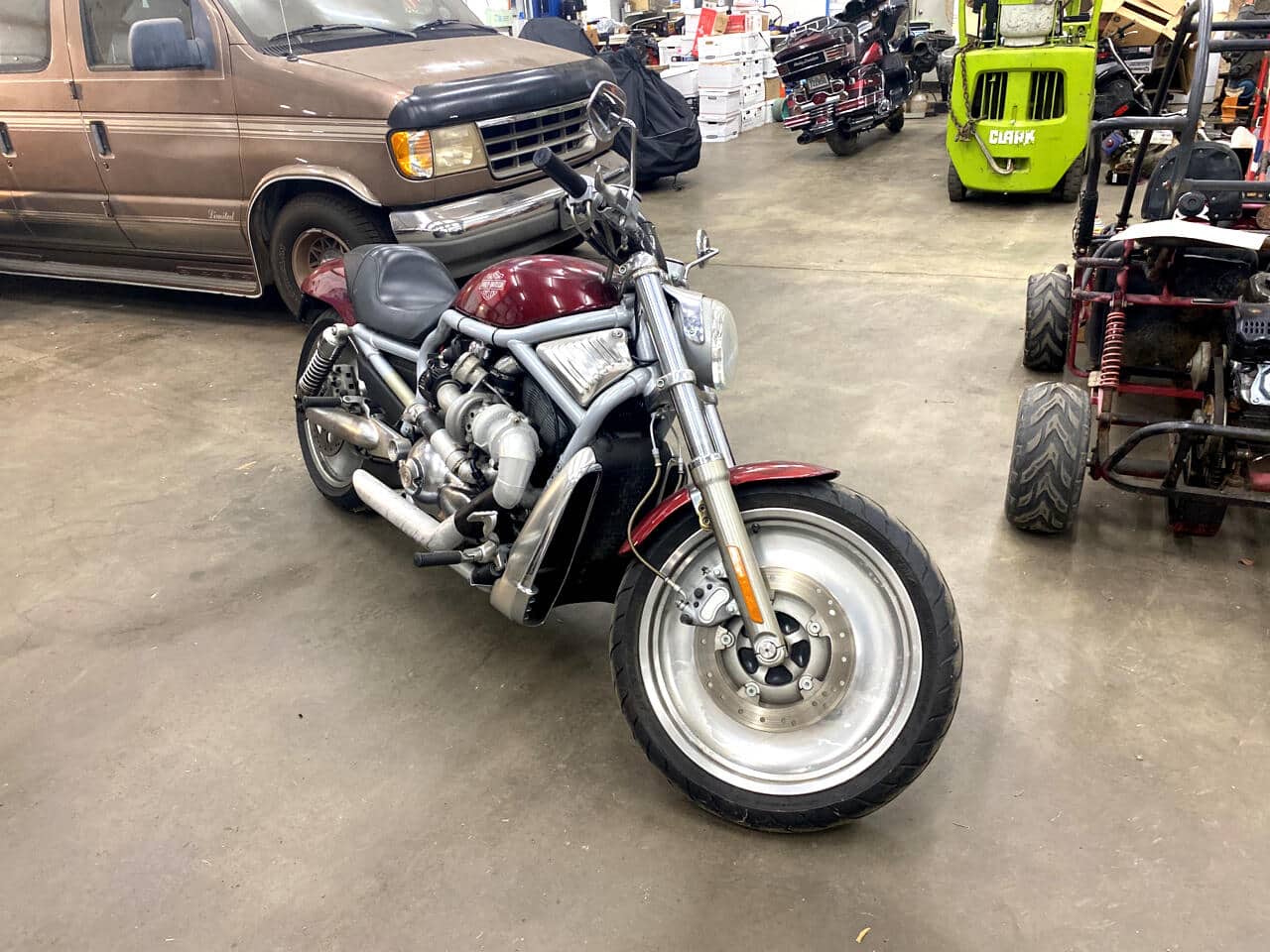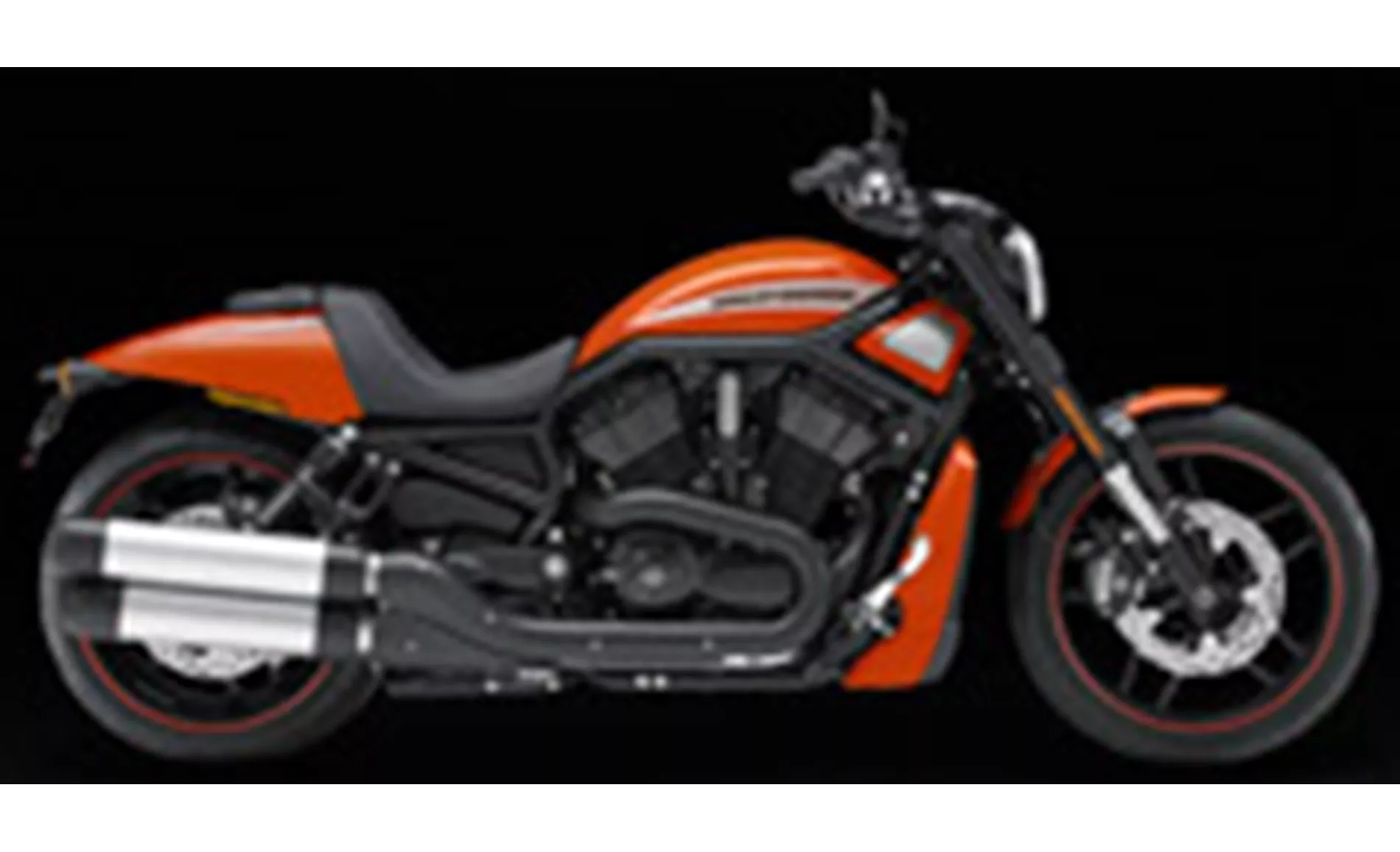
The 2006 Harley V-Rod and the Night Rod stand as titans within Harley-Davidson’s muscle bike lineage, each representing a distinctive evolutionary step in the realm of power cruisers. These motorcycles don’t just occupy the same space; they redefine expectations and challenge entrenched notions of what a Harley should embody. Their showdown is more than a mere comparison; it is a prism through which one can glimpse the shifting tides of motorcycle design, engineering, and cultural significance.
At first glance, the 2006 Harley V-Rod may appear to be a bold, futuristic leap away from tradition. With its stark departure from the classic Harley aesthetic, the V-Rod introduces a sculpted, aerodynamic visage, suggesting speed and agility over the honed brutishness often associated with American cruisers. Beneath this modern façade lies the heart of the Revolution engine— a liquid-cooled, 60-degree V-twin powerplant co-developed with Porsche engineering expertise. This power unit delivers a formidable 115 horsepower, an output that was revolutionary for a Harley at the time and positioned the V-Rod as a formidable contender against muscular Japanese sport bikes.
Yet, the Night Rod takes the visceral promise of the V-Rod and darkens it with an aggressive charisma. Debuting shortly after the V-Rod, the Night Rod embraces a stealthy persona painted in deep, menacing blacks and shadows. This motorcycle acts as both an extension and a refinement, elevating the muscle bike archetype through detailed enhancements aimed at raw street presence and thrilling performance. Its design language communicates power through minimalism, stripping away unnecessary ornamentation to reveal a sinister silhouette that threatens to blur the boundary between cruiser and sportster.
Examining the chassis and suspension systems underscores the precision engineering harbored within both models. The 2006 V-Rod sports a more substantial frame designed to handle its prodigious output with balanced poise. A robust steel frame with bolstered rigidity ensures that the power translates into confidence-inspiring handling, especially when careening through open highways or arbitrary backroads. Complementing this, inverted front forks and dual disc brakes at the front enhance stability and stopping power, fostering a riding experience that feels both controlled and exhilarating.
The Night Rod, however, takes this foundation and sharpens it. By refining suspension geometry and integrating sportier components, it offers a ride that is tighter, more responsive, and notably agile for a Harley cruiser. The repositioned controls, slightly lower seat height, and a broader rear tire combine to create an intimate connection between rider and machine. This synergy propels the Night Rod into a category that, while retaining cruiser comfort, invites aggressive cornering and assertive throttle modulation—a departure from the traditionally laid-back Harley approach.
One cannot overlook the cultural symbolism that both these motorcycles carry. The V-Rod’s introduction was met with initial skepticism from purists who viewed it as an anachronism, a break from cherished Harley traditions. Yet, it ignited a paradigm shift by appealing to a younger, more performance-savvy demographic hungry for a blend of power and style absent in earlier models. This was a motorcycle that promised liberation from the past without sacrificing the Harley-Davidson soul.
The Night Rod, with its tribal, nocturnal aesthetics, further expanded this redefinition. It embodied an attitude—a nonconformist stance veiled in shadow and speed. Motorcyclists drawn to rebellion and power found resonance here, a machine echoing the silent rumble of urban streets at night, where anonymity becomes a power and every ride a statement.
Delving into performance nuances reveals subtle yet significant divergences. Though built on a similar platform, the V-Rod’s mass and frame geometry skew slightly towards stability at speed, making it an excellent long-distance muscle bike, capable of sustained bursts and glide with ease over highways. The Night Rod, in contrast, is more nimble and responsive, boasting suspension tuning that rewards razor-sharp maneuvers and spirited acceleration bursts. The difference in riding posture and ergonomics further accentuates their distinct personas: the V-Rod invites a confident, commanding presence; the Night Rod demands an aggressive, engaged rider willing to harness its ferocity.
Both motorcycles are equipped with the Revolution engine, but nuances in tuning and exhaust resonance contribute to unique auditory and visceral experiences. The V-Rod’s exhaust produces a robust, throaty growl—a mechanical anthem declaring intent without overwhelming the senses. Meanwhile, the Night Rod’s exhaust notes are deeper, more guttural, enhancing the dark mystique integral to its identity.
The equipment and technological integration aboard these machines cannot be understated. The V-Rod pioneers features such as liquid cooling in a Harley motorcycle, an innovation that improves performance consistency and thermal management. It also showcases modern frame geometry and suspension setups that depart from the rigid, heavyweight cruisers of prior decades. Night Rod inherits and refines these components, but with an amplified focus on sportiness. The wider rear tire not only aids in traction during aggressive acceleration but also visually differentiates the bike, suggesting readiness to carve asphalt with an assertive bite.
In terms of rider community and market positioning, these models occupy complementary yet distinct niches. The V-Rod appeals to riders seeking a fusion of muscular strength with a touch of sophistication— a motorcycle that combines traditional Harley swagger with contemporary capability. The Night Rod, meanwhile, magnetizes those enthralled by the allure of night-time escapades, a ride that reflects the intangible energy of nocturnal freedom and urban rebellion.
Ultimately, the 2006 Harley V-Rod and the Night Rod represent not only two motorcycles, but two divergent philosophies within the muscle bike milieu: the V-Rod epitomizes trailblazing innovation and the fusion of raw power with sophisticated engineering, while the Night Rod amplifies the primal, shadowed edge of muscle bikedom, injecting an element of stealth that captures the motorcycle’s fierce essence.
Both models invite enthusiasts and critics alike to reconsider what defines a muscle bike, challenging preconceived boundaries of design, performance, and cultural resonance. Their rivalry transcends mechanical specifications and aesthetic preferences; it’s a discourse on evolution, identity, and the unrelenting quest to meld tradition with modernity.
In the crucible of this showdown, one is compelled to acknowledge that the real victor is not a single machine but the dynamic spirit of reinvention that these Harleys embody. They promise a shift in perspective, urging riders to embrace an expanded definition of power, style, and presence on two wheels—an invitation to delve deeper, to explore beyond the surface, and to discover a muscle bike experience both familiar yet tantalizingly new.