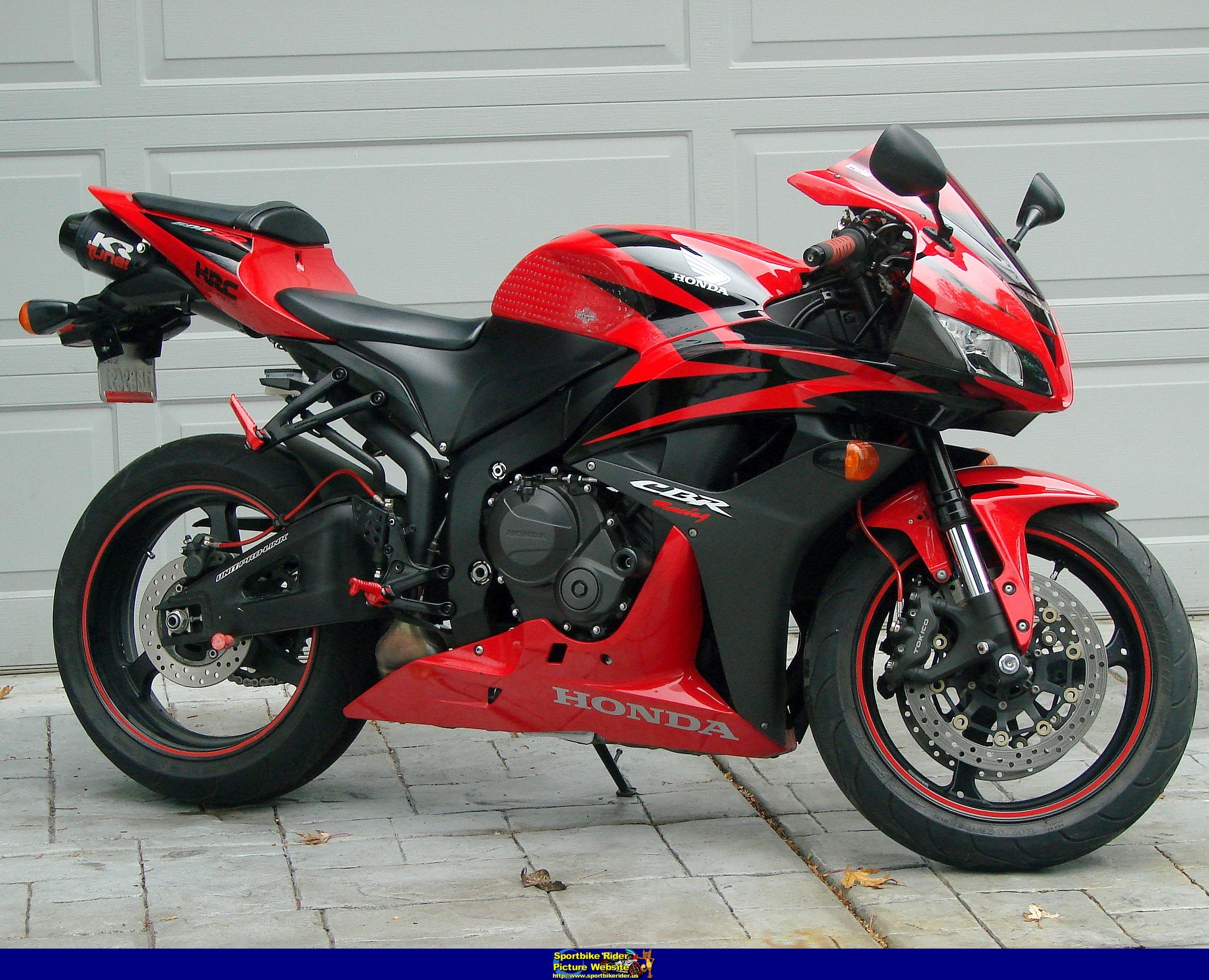
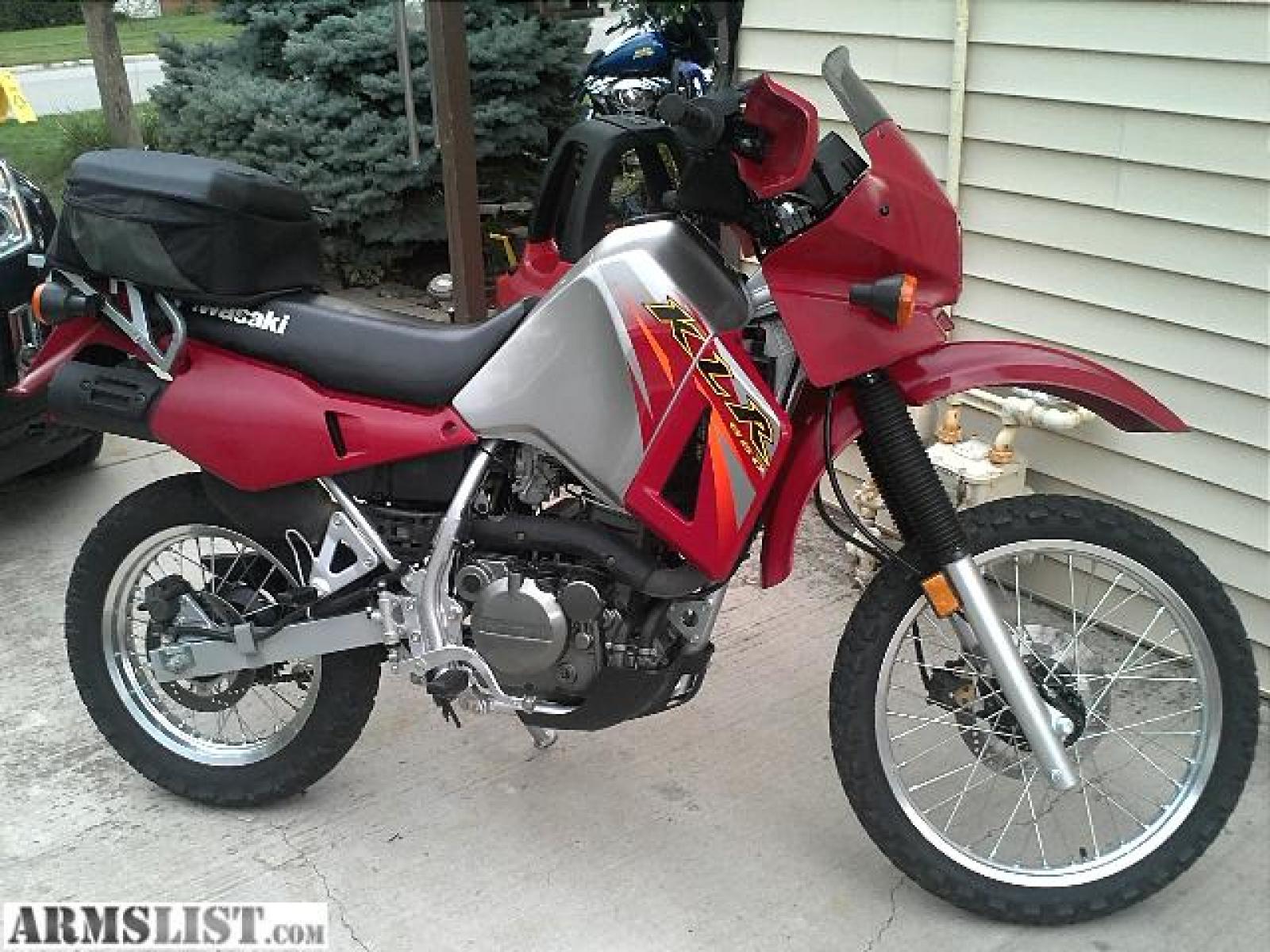
The 2006 Suzuki GS500F stands as a quintessential example of a beginner-friendly sport motorcycle that balances accessibility with respectable performance. Praised for its approachable design and manageable power output, this bike has continued to captivate novice riders and enthusiasts alike. Central to its appeal is the question of its top speed, a critical factor for many who contemplate the GS500F as their gateway to the motorcycling world. This detailed examination explores not only the raw speed metrics but also delves into the nuanced characteristics that shape the riding experience, why it’s an excellent pick for beginners, and what kind of performance one can realistically expect on open roads.
At first glance, the 2006 Suzuki GS500F features a sleek, semi-faired design that distinguishes it from the naked GS500 and adds aerodynamic advantages. Powered by a 487cc, parallel-twin, air-cooled engine, the GS500F produces a modest yet spirited amount of horsepower. The twin-cylinder engine, with its linear torque delivery, ensures a smooth and predictable power band, perfect for those new to motorcycling. The engine’s character is refined enough to encourage confidence without overwhelming the rider, enhancing the overall learning curve associated with stepping up to a 500cc bike.
When considering the top speed, numerous real-world tests and rider reports converge on a generally consistent figure. The 2006 Suzuki GS500F can reach a top speed hovering around 105 to 110 miles per hour (169 to 177 kilometers per hour) under ideal conditions, such as flat terrain, minimal wind resistance, and a rider in optimal form. While this speed might not rival high-performance sportbikes, it situates the GS500F comfortably within the range expected of entry-level mid-displacement motorcycles. This velocity is more than sufficient for highway cruising and spirited backroad adventures, providing energetic yet controlled acceleration and swift responses through the mid-range RPM band.
Exploring the distinct types of data and feedback readers can anticipate from this analysis reveals a multi-faceted perspective on the GS500F’s capabilities. First, the numeric data regarding horsepower, torque, and aerodynamic considerations set a foundational understanding. The 487cc twin engine generates approximately 49 horsepower at 8,500 RPM and a torque peak near 30 lb-ft at 6,500 RPM. These figures, while modest in absolute terms, translate into a power-to-weight ratio that allows respectable bursts of speed and acceleration, situating it above smaller beginner bikes without stepping into the intimidating territory of liter-class machines.
In addition to pure performance metrics, this review addresses the ergonomics that impact speed perception and rider comfort. The GS500F is equipped with a slightly forward-leaning posture typical of sport-oriented motorcycles, yet the seating position remains relaxed enough to reduce rider fatigue over extended rides. Comfortable past the initial exhilaration of acceleration, the bike’s chassis and suspension support stable handling at speed, even when pushing toward the higher end of its range. The semi-fairing not only contributes to aerodynamic efficiency but also affords wind protection that mitigates rider windblast, which can be fatiguing during prolonged high-speed riding on highways.
Moreover, traction and braking characteristics influence the practical limits of how fast one can safely traverse the roads. The GS500F is outfitted with dual front disc brakes and a single rear disc brake, a setup that provides confident stopping power relative to the bike’s overall speed potential. The lightweight frame and balanced geometry promote nimble handling, particularly beneficial for new riders who might still be mastering counter-steering and throttle control at speed. Together, these components feed into a holistic riding experience where the top speed is just part of the equation — the ability to ride within one’s limits confidently and safely is equally paramount.
Readers can also anticipate insights into how modifications and rider weight bear upon the GS500F’s top speed. Given the bike’s mid-range displacement and design focus, aftermarket tuning options such as freer-flowing exhaust systems and adjusted carburetor settings can eke out slight improvements in acceleration and top-end velocity. However, such enhancements tend to bring marginal gains rather than radical leaps. More significant is the impact of rider weight and gear: a heavier rider or additional luggage naturally reduces acceleration and maximum velocity, while lighter riders may find the bike feels quicker and more agile.
Environmental factors also play a subtle yet influential role. Tailwinds, altitude, and road grade significantly affect the attainable top speed on any motorcycle. Higher elevations, with thinner air, can reduce engine performance, whereas a flat stretch of road combined with favorable wind can help the GS500F edge closer to its theoretical maximum speed. These variances are particularly notable for beginners who might not have yet experienced the nuances of environmental influences on motorcycle performance.
Beyond the raw speed and mechanical aspects, the 2006 Suzuki GS500F’s engine responsiveness and gearbox mechanics deserve mention. The six-speed transmission delivers smooth shifts with a positive clutch feel, essential for new riders learning to coordinate throttle input with gear changes. Its close-ratio gearing helps maintain engine responsiveness throughout the speed range, meaning the rider rarely feels underpowered or lugging the engine. This mechanical harmony complements the top speed capabilities, ensuring that acceleration feels linear and controllable, thereby instilling confidence at all speed thresholds.
It is also worthwhile to contextualize the GS500F among its peers when discussing top speed and rider suitability. While it may lag behind sportbikes designed for razor-edge performance, such as 600cc or liter-class motorcycles, the GS500F excels in its gentle power delivery and approachable handling. Its top speed offers enough excitement to satisfy riders looking to graduate from smaller scooters or 250cc bikes without overwhelming them. It strikes a rare balance—enough speed to make highway riding enjoyable and challenging, with enough predictability to foster skill development and safety.
In summation, the 2006 Suzuki GS500F offers a compelling package for beginner riders who desire a motorcycle that is fast enough to conquer highways confidently, yet forgiving enough to provide a pleasurable ride as skills mature. The top speed of approximately 105-110 mph underscores the bike’s capabilities without alienating those new to sport-oriented motorcycling. Complemented by well-thought-out ergonomics, reliable braking, and engine responsiveness, the GS500F represents a gateway machine that encourages exploration and growth.
Whether navigating suburban streets or testing the limits on open stretches of pavement, riders on the 2006 Suzuki GS500F can expect a satisfactory blend of speed, control, and comfort. It is a motorcycle that invites measured enthusiasm, rewarding patience and respect for its capabilities. In the realm of beginner sport motorcycles, it remains a steadfast choice—embodying the essential balance between youthful vigor and steadfast reliability.