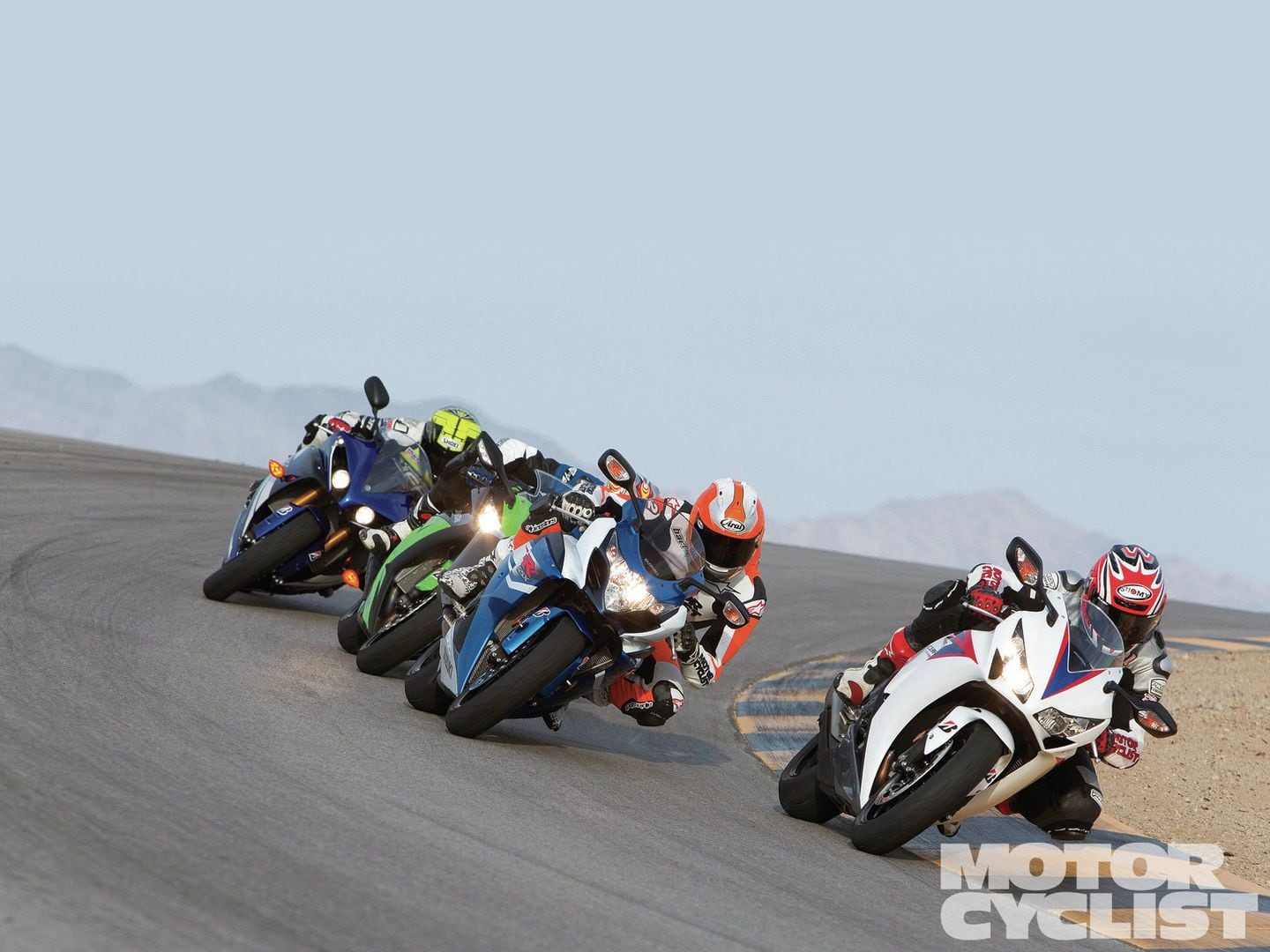
The year 2007 stands as a pivotal chapter in the annals of superbike history, a crucible where precision engineering met raw determination. The clash between the Honda CBR1000RR, Suzuki GSX-R1000, and Yamaha YZF-R1 transcended mere competition—it became an evocative duel of philosophies, technological wizardry, and the relentless pursuit of two-wheeled supremacy. This examination invites enthusiasts and skeptics alike to reconsider preconceived notions about what defines a superbike’s prowess, offering a refreshing lens through which to appreciate these mechanical masterpieces.
At first glance, these three contenders, each celebrated in their own right, share a common ambition: to dominate both road and track with a blend of ferocity and finesse. Yet beneath this veneer of similarity lies a nuanced dance of contrasts—different engineering doctrines, divergent power delivery, chassis dynamics, and electronic sophistication that collectively sketch a portrait of 2007’s superbike battleground.
The Honda CBR1000RR, often hailed as the embodiment of Japanese precision, arrived with a chassis that prioritized balance and impeccable handling. Honda’s philosophy was clear: create a motorcycle that eliminates unpredictability, delivering confidence to the rider through its light but rigid frame. The inline-four engine expressed a potent yet refined temperament, offering a linear power curve that rewarded smooth application. This made the CBR not just quick but remarkably predictable—a characteristic often underestimated when dissecting superbike legends.
Contrastingly, the Suzuki GSX-R1000 embraced an aggressive power-to-weight ratio, channeling fury through its inline-four engine that packed a meaner punch than most rivals of its era. Suzuki’s approach capitalized on raw acceleration and top-end surge, crafting a bike that enticed riders who craved explosive thrust. The GSX-R’s chassis was meticulously tuned to withstand this potent payload, though it occasionally demanded a higher skill level to tame its assertive nature. Herein lies a fascinating dichotomy: a machine as thrilling as it is unforgiving, it challenged the rider to extract its full potential—or risk being overwhelmed.
Meanwhile, the Yamaha YZF-R1, bridging the gap between the calculated Honda and the tempestuous Suzuki, unveiled a character that was both versatile and dynamic. Yamaha’s iconic crossplane crankshaft technology infused the R1’s engine with a unique pulse, producing a torque delivery that felt organic and immediate. This innovation not only enhanced traction but also engaged the rider with a visceral connection seldom matched by contemporaries. The chassis, nimble and communicative, reinforced this bond, creating a synthesis of power and control that demanded inquisitiveness and adaptability from its pilot.
Exploring the electronic accompaniments of these superbikes reveals the nascent steps toward the modern era’s integrated digital aids. While airbags and traction control systems were embryonic at best, each manufacturer sought to optimize rider feedback through mechanical precision rather than electronic intervention. The result was a purist experience—machines that required skill and intuition, where every throttle twist and brake squeeze resonated with consequence. This context sharpens the intrigue: how did these motorcycles balance human mastery with mechanical might before the advent of today’s ubiquitous rider aids?
The stakes of the 2007 superbike battles extended beyond raw statistics and specifications. Each motorcycle’s design ethos mirrored broader narratives about rider engagement: Honda’s emphasis on reliability versus Suzuki’s pursuit of thrill; Yamaha’s quest for harmonic synergy in power delivery. This trifecta underlines a timeless debate within motorcycling culture—the tension between control and chaos, predictability and excitement.
Moreover, the implications of this triumvirate’s rivalry ripple through contemporary superbike evolution. The Honda CBR1000RR’s legacy manifested in successive models that continuously refined chassis geometry and rider ergonomics, striving for a near-flawless interface between man and machine. Suzuki’s GSX-R1000 maintained its reputation as the archetype for power enthusiasts, spurring innovations in engine tuning and lightweight construction. Yamaha’s R1, with its pioneering crankshaft design, influenced not only its lineage but inspired a reconsideration of how engine dynamics could reshape rider experience comprehensively.
Examining track performance and street usability, the distinctions grow even more vivid. The Honda’s finely balanced chassis rendered it an exceptional choice for technical circuits demanding precision and sustained momentum. Conversely, the Suzuki excelled on straights and fast corners where its acceleration prowess could be unleashed without restraint. Yamaha’s agile yet potent demeanor suited a broad spectrum, delivering an adaptable bike capable of commanding both twisty backroads and high-speed straights with poise.
In retrospect, the 2007 superbike tussle challenges simplistic notions of superiority. None emerged as the definitive victor; instead, they each presented a compelling argument for how superbikes could embody differing strengths while catering to varied rider philosophies. The intrigue lies not in a singular champion but in appreciating how these motorcycles, through their contrasts and commonalities, collectively propelled the sport forward.
Ultimately, revisiting the 2007 showdown invites a deeper appreciation for the evolution of superbikes and the complex, often symbiotic relationship between rider and machine. It prompts a reevaluation of what qualities truly define excellence on two wheels and inspires a renewed curiosity about future innovations. As technology and design continue to accelerate, the essence distilled from the CBR1000RR, GSX-R1000, and YZF-R1 offers enduring insights into the delicate balancing act between engineering perfection and the visceral thrill of riding.