When the rubber meets the road, and the revs climb to their stratospheric limits, which machine truly commands the crown of the superbike domain? The 2008–2009 era was nothing short of a gladiatorial contest among titans—the Honda CBR1000RR, Suzuki GSX-R1000, and Ducati 1198 waged a ferocious battle for supremacy in the world of liter-class superbikes. Each of these motorcycles brought a potent blend of engineering innovation, razor-sharp handling, and raw power to the fray, challenging riders and enthusiasts to ponder: which one would reign supreme on the street and track?
Let’s start with the Japanese sentinels, renowned for their relentless pursuit of perfection and balanced performance. The 2008 Honda CBR1000RR, affectionately dubbed the “Fireblade,” carried forward a legacy of agile handling and reliable theatrics. Beneath its sleek, aerodynamic fairings lies a 999cc inline-four engine, tuned with precision to deliver a harmonious blend of power and controllability. Honda’s engineers prioritize smooth throttle response and precise chassis dynamics, manifesting in a bike that carves through corners like a scalpel.
Yet, what’s truly captivating about the CBR1000RR is its evolutionary philosophy. The 2008 iteration introduced enhancements in ergonomics and electronics, including a refined fuel injection system and an improved frame rigidity that bolstered its cornering prowess. It’s not just about raw horsepower; it’s about the confidence and immediacy a rider experiences when barrel-rolling through a twisty backroad or chasing lap times on a circuit.
Countering this Japanese classic was the Suzuki GSX-R1000, a machine that has long been synonymous with aggressive sportbike performance. The 2008–2009 GSX-R1000 was no exception. Sporting a potent 999cc inline-four powerplant, Suzuki’s flagship was dramatic in its delivery—a throttle-happy monster that could lash out with blistering acceleration. It embraced a more visceral character, rewarding riders willing to wrestle with its spirited temperament.
The GSX-R’s architecture saw noticeable refinements aimed at diminishing weight and enhancing chassis stiffness. Lightweight components like a twin-spar aluminum frame combined with an aggressive suspension setup translated into agile and aggressive handling. This bike was tailored for the enthusiast who craves the full sensory onslaught of superbike racing, from the thunderous exhaust note to the thrilling rush in a hard braking zone.
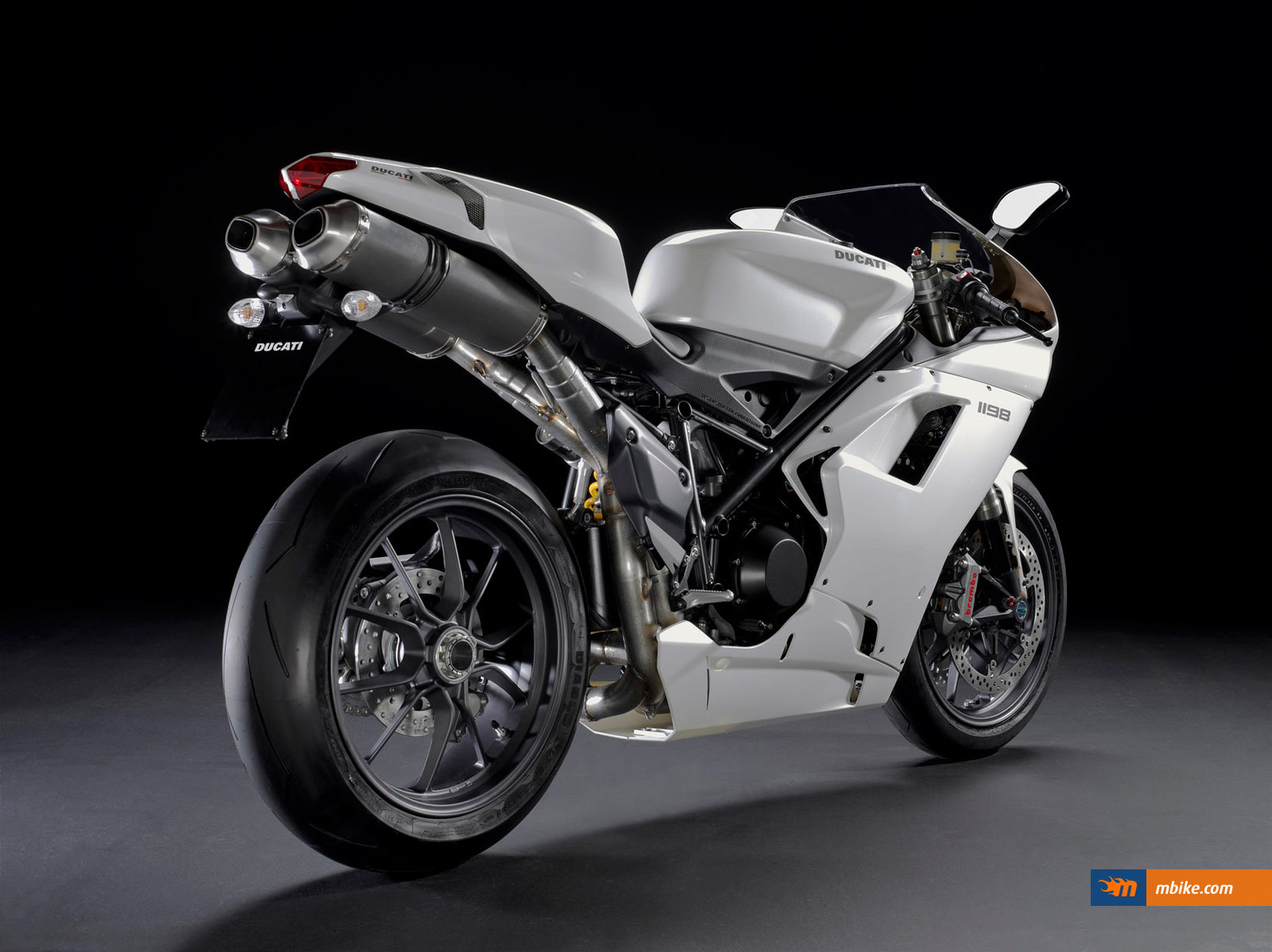
Then, the Italian stallion—the Ducati 1198—entered the arena with a fierce declaration of intent. Ducati’s 1198 was a departure from its Japanese counterparts in more ways than one. Featuring a 1198cc L-twin engine, known for its distinctive rumble and torque-laden delivery, the Ducati was a marvel of mechanical artistry and sheer intensity. Unlike the high-revving inline-fours from Japan, the 1198 produced its power with a deep, emotive growl that demanded attention.
Beyond the engine, the 1198 dazzled with its innovative engineering touches. The use of a lightweight tubular steel trellis frame distinguished its chassis dynamics, offering a unique blend of rigidity and flex that translated into a sublime road feel. The incorporation of high-end Öhlins suspension components and Brembo brakes further elevated it to the echelon of premium superbike titans.
But could passion and flair triumph over refined Japanese engineering? This question animated countless discussions among aficionados. The Ducati 1198 was not just a motorcycle; it was an experience—a visceral connection between rider and machine, appealing to those who valued character and emotion alongside performance. Its dual-sided swingarm and aggressive ergonomics might not have been for everyone, but for those who embraced its quirks, the 1198 was nothing short of sublime.
From a performance standpoint, the trio offered distinct but equally compelling propositions. The Honda laid claim to balance and precision, an all-rounder primed to excel in both street and race settings. The Suzuki, with its ruthless power delivery and agile chassis, catered to the titillated rider who wished to push boundaries with verve and vigor. Ducati, with thunderous torque and exotic aesthetics, made a declarative statement of Italian flair and sporty exclusivity.
On the track, these superbikes underscored their respective philosophies. The Honda’s nimble chassis and reliable electronics made it a favorite among riders who prized consistency and finesse. The Suzuki’s aggressive riding dynamics yielded blistering lap times but demanded respect and skill. Meanwhile, the Ducati’s emotive power and distinctive handling characteristics underscored why it remained a cherished icon in superbike circles.
This triumvirate also highlighted differing approaches to technology. Honda and Suzuki leaned heavily into electronic advancements such as improved fuel injection mapping and refined suspension setups. Ducati took pride in blending traditional craftsmanship with advances like Ride-by-Wire throttle systems and lightweight carbon components, ensuring the 1198 was as much an engineering marvel as an aesthetic masterpiece.
So, what does this battleground reflect beyond raw specs and lap times? It reveals the subtle nuances that define rider preferences and the evolving landscape of superbike engineering at the cusp of the millennium’s second decade. Choosing between these machines is less about numerical supremacy and more about the intangible qualities that resonate with individual riders—be it the surgical precision of the Fireblade, the raw ferocity of the GSX-R, or the intoxicating charisma of the Ducati 1198.
In the end, the 2008–2009 superbike battle was a glorious symposium of speed, technology, and human connection. Whether tearing through a canyon road at sunset or chasing rivals around a race circuit, each motorcycle invited riders to experience the thrill of motorcycling in profoundly different but equally exhilarating ways. Who won this epic showdown? Perhaps that question is as playful as it is subjective, beckoning enthusiasts to embark on their own journey of discovery.
After all, isn’t the true victors’ realm the one where rider and machine unite in harmonious pursuit of speed, passion, and exhilarating adventure?