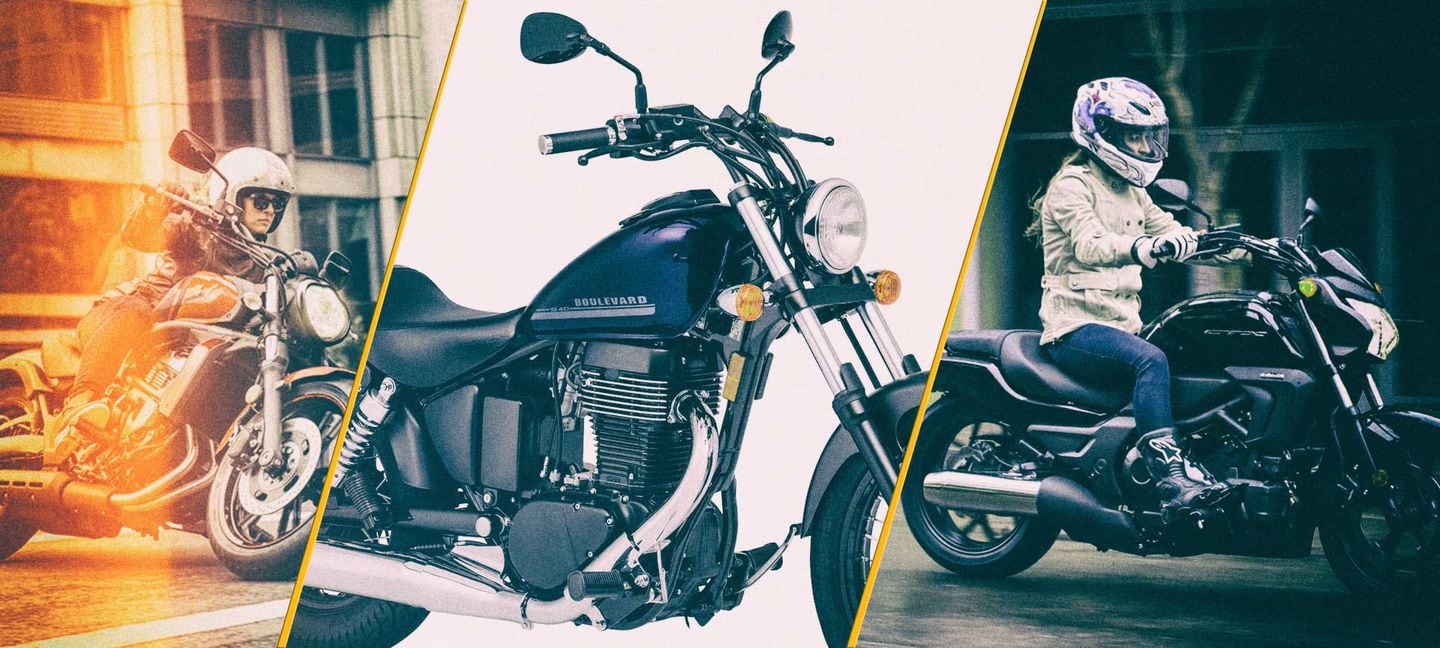
The cruiser motorcycle segment has long held a unique place in the hearts of riders across the globe. In 2008, three models stood out prominently within this genre: the Honda VTX, the Kawasaki Vulcan, and the Suzuki Boulevard. Each of these machines is more than just a mode of transportation; they embody a cultural zeitgeist, a testament to craftsmanship, and a tribute to the romance of the open road. This enthralling rivalry offers more than horsepower figures and torque curves—it delves into the very essence of what makes cruisers beloved icons in the motorcycling world.
At first glance, the 2008 cruiser segment might seem like a crowded marketplace of similar motorcycles, but a closer inspection reveals a fascinating study in contrasts and convergences. These three cruisers encapsulate diverse philosophies, engineering nuances, and rider experiences that help explain the enduring fascination with this class. This rivalry isn’t just about performance metrics or aesthetics; it’s about how each bike speaks to the rider’s soul and lifestyle.
The Honda VTX, introduced in the early 2000s, quickly gained a reputation for its prodigious engine size and raw power delivery. The 2008 iteration continued to build on this legacy with a commanding V-twin that dwarfed many competitors in terms of displacement. With a 1795cc engine, the VTX offered an almost visceral experience—enveloping its rider in a cocoon of torque-rich propulsion that effortlessly conquered long stretches of highway and city streets alike. The VTX’s chassis and suspension were tuned to balance the weight of its formidable engine, providing decent maneuverability without sacrificing the signature cruiser stability. The styling, a mixture of classic cruiser elements and bold, muscular lines, communicated confidence and authority. It was a bike for those who yearned not merely to cruise, but to dominate the boulevard with presence.
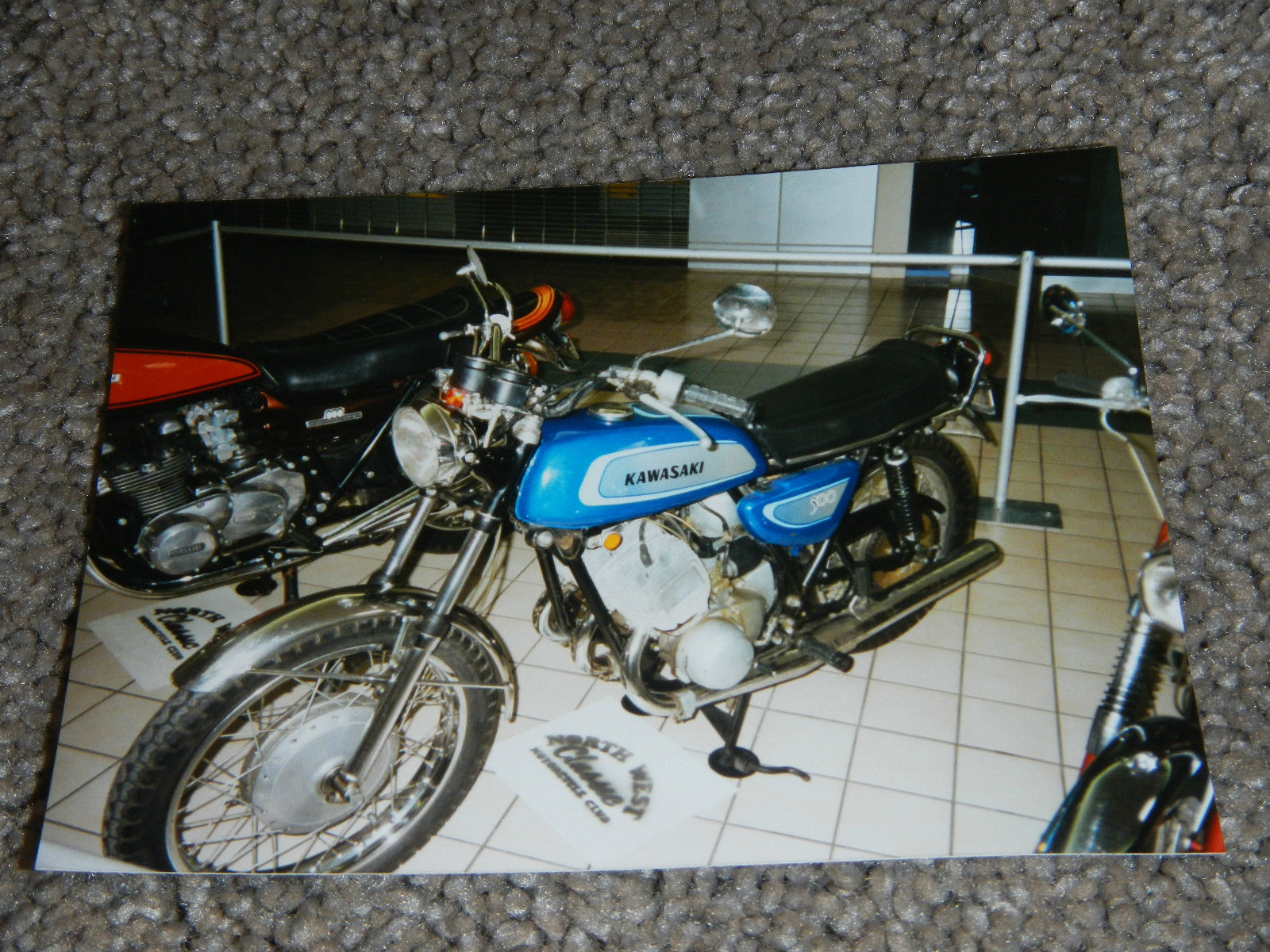
In contrast, the Kawasaki Vulcan approach was more nuanced, with a spectrum of models catering to different rider needs but retaining a cohesive identity defined by balance and reliability. The 2008 Vulcan series, particularly the Vulcan 900 Classic, melded retro-inspired aesthetics reminiscent of mid-century American cruisers with modern engineering finesse. Powered by a 903cc V-twin engine, the Vulcan offered spirited performance while maintaining exceptional fuel efficiency and rider comfort. Its ergonomics leaned toward the accessible, with a plush seat, forward controls, and swept-back handlebars that encouraged a relaxed posture. This bike didn’t just invite riders to own the road—it welcomed them to savor every mile with unassuming grace. The Vulcan’s allure lay in its subtle blend of heritage and innovation, perfect for the rider who values understated charisma over flamboyance.
Meanwhile, Suzuki’s Boulevard series in 2008 struck a chord with riders seeking a blend of old-school cruiser charm and modern technological upgrades. Available in multiple displacements, the Boulevard M50, in particular, represented a careful balancing act between power and agility. With a liquid-cooled 805cc V-twin, it was neither the most potent nor the largest, but the engine responded with a smooth and linear delivery that made for an engaging ride in urban environments and country backroads alike. The Boulevard’s design language was distinctive—angular yet flowing—with minimalist chrome accents that emphasized the bike’s lean silhouette. The suspension setup catered to both stability and comfort, presenting a versatile package capable of cross-town errands or extended weekend escapes. Suzuki’s endeavor with the Boulevard was an exercise in refined simplicity, speaking to those who appreciate quality, tradition, and a touch of modernity.
What connects these three cruisers, despite their differences, is the shared fascination they elicit among bikers. This fascination transcends specs and performance charts. It dwells in the primal human desire for freedom, escapism, and the communion between man, machine, and road. Riders aren’t simply purchasing a vehicle; they are investing in experiences shaped by sonic vibrations, tactile feedback, and emotional resonance. The cruiser form factor, with its low seat, extended wheelbase, and languid stance, fulfills a psychological archetype of the solitary wanderer or the road-bound nomad, presenting an image burning brightly in the collective imagination.
Moreover, the 2008 offerings from Honda, Kawasaki, and Suzuki subtly articulate divergent interpretations of that archetype. The aggressive dominance of the VTX taps into the desire for unrestrained power and visible presence. The Vulcan’s inviting comfort and classic lines suggest a familial and community-oriented notion of riding, while the Boulevard hints at a progressive yet grounded approach to cruiser culture. Each model endows the rider with not only physical joy but symbolic identity—a mobile badge of belonging and self-expression.
Continuing past raw performance, the technological and design advancements of 2008 demonstrate the subtle arms race to refine the cruiser experience. Enhanced fuel injection systems improved throttle response and emissions control, while braking systems incorporated cutting-edge ABS technology for augmented safety. Suspension refinements allowed better road handling without compromising the cruiser’s characteristic ride softness. Such details, often overshadowed by headline engine specs, reveal a commitment to marrying tradition with the demands of contemporary riding environments.
In conclusion, the 2008 cruiser battle among the Honda VTX, Kawasaki Vulcan, and Suzuki Boulevard was more than a clash of motorcycles—it represented an intricate dialogue between riders’ desires, brand legacies, and engineering artistry. Each bike brought to the fore a unique proposition, inviting riders to choose their own narrative on the road. Whether seeking the show-stopping torque of the VTX, the approachable charisma of the Vulcan, or the balanced sophistication of the Boulevard, enthusiasts found in these machines distinct pathways to fulfillment and adventure.
Ultimately, this triad of cruisers underscores the enduring allure of the segment itself: a compelling synthesis of power, comfort, style, and personal expression. The fascination endures not merely because these motorcycles perform well, but because they speak to the deeper human yearning for discovery, connection, and the timeless joy of the ride.